Resources from America's Leading Vein Clinics
USA Vein Clinics continues its legacy of excellence by integrating Vein Clinics of America, Reno Vein Clinic, and Circulatory Centers of America into our expansive brand and network, further strengthening our commitment to delivering expert vein care to communities nationwide.
Your Expert Vein Care Partner
Our team of experts are dedicated to providing you with clear, comprehensive information about vein disease, its causes, symptoms, and the latest treatment options. USA Vein Clinics serves both new and existing patients through convenient nationwide locations, comprehensive resources, and support every step of the way. Most major insurance plans, including Medicare, are accepted. If you’re ready to prioritize your vein health, schedule a consultation with our experienced specialists today.

Schedule Anytime, Anywhere
Skip the wait times! Scheduling at your fingertips, 24/7. Minimally invasive non-surgical treatment for spider & varicose veins.
Schedule OnlineVaricose Vein Symptoms? Put Your Legs in Good Hands
If you have varicose veins or other symptoms of venous insufficiency, treatment can improve your quality of life and get you back on your feet. If you experience:
- Swelling in the legs and ankles
- Tired, aching legs
- Burning in the calf or thigh
- Itchy, dry skin
- Bulging or unsightly veins
- Numbness or tingling sensation
- Difficulty standing for long periods
- Non-healing wounds on your legs
We offer online scheduling at over 160 vein clinics across America. Most insurances accepted.
The Importance of Patient Education at America’s Top Vein Clinics
We cover a wide range of topics, from the basics of vein health to the latest advancements in minimally invasive treatments. We also emphasize the importance of lifestyle changes and preventive measures, empowering you to take control of your health.
Success Stories


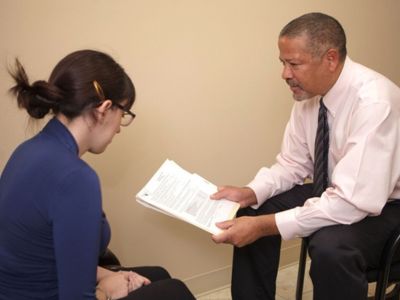
I just had my sclerotherapy treatment with Dr. Victor Yu, it was amazing visit.