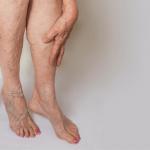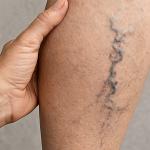
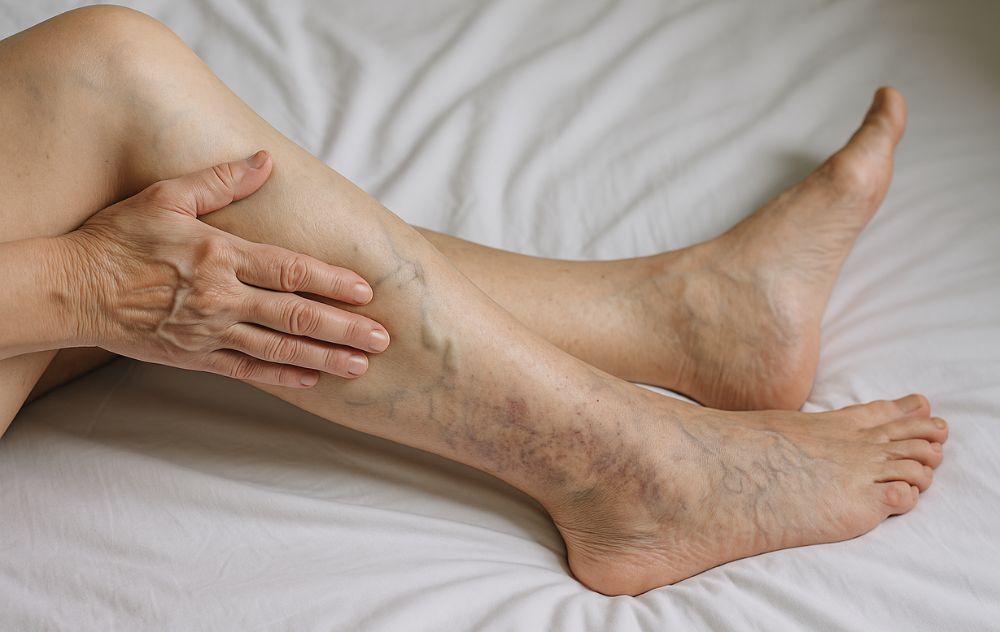
Many people view varicose veins or spider veins as minor cosmetic issues. However, what appears on the surface can sometimes signal a deeper, more serious condition known as chronic venous insufficiency (CVI) — or simply, vein disease.
While vein disease may start with mild symptoms like leg heaviness or swelling, it can gradually progress to cause significant health complications. In advanced cases, it can even become life-threatening. Understanding when vein disease crosses that line — and how early treatment can prevent it — is key to protecting your long-term health.
What Is Vein Disease?

Vein disease develops when the valves inside your veins — which are responsible for keeping blood flowing upward toward the heart — become weak or damaged. When these valves fail to close properly, blood begins to flow backward and pool in your lower legs.
This pooling causes pressure to build inside the veins, leading to a range of symptoms such as:
-
Leg pain or throbbing
-
Heaviness or fatigue in the legs
-
Swelling in the ankles or calves
-
Skin discoloration or thickening
-
Itching or burning sensations
-
Bulging varicose veins
At first, these symptoms may seem like a nuisance. But if left untreated, poor circulation can trigger dangerous complications that affect your overall health and mobility.
How Vein Disease Can Become Dangerous
Although vein disease itself doesn’t start out as a life-threatening condition, it can progress silently for years before leading to serious medical issues. Some of the most concerning complications include:
1. Deep Vein Thrombosis (DVT)

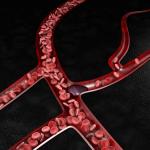
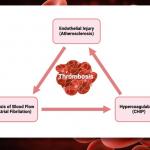
One of the most dangerous outcomes of untreated vein disease is deep vein thrombosis, or DVT. This occurs when a blood clot forms in a deep vein, usually in the leg.
A clot in the leg can cause severe pain, swelling, and redness — but the real danger comes if it breaks loose and travels to the lungs. This leads to a pulmonary embolism (PE), a medical emergency that can be life-threatening.
Symptoms of a pulmonary embolism may include:
-
Sudden shortness of breath
-
Chest pain or discomfort
-
Rapid heartbeat
-
Coughing up blood
If you experience these signs, call 911 or seek immediate medical attention.
2. Venous Ulcers

Poor circulation and pressure buildup in the legs can cause venous ulcers, which are open sores that typically develop near the ankles. These ulcers are painful, difficult to heal, and prone to infection. Chronic infections can lead to tissue breakdown or, in severe cases, sepsis — a potentially life-threatening condition.
3. Bleeding and Skin Damage
As vein disease worsens, veins close to the surface of the skin can become fragile and rupture easily, leading to spontaneous bleeding. In addition, the skin may become thin, itchy, or inflamed, making it more vulnerable to infection and irritation.
When to Seek Immediate Help
While not every case of vein disease is an emergency, recognizing warning signs early can save your life. Contact a doctor or vein specialist right away if you notice:
-
Sudden swelling or redness in one leg
-
Warmth or tenderness along a vein
-
Unexplained leg pain after long periods of sitting or standing
-
Shortness of breath or chest pain
These symptoms could indicate a blood clot or pulmonary embolism, both of which require urgent medical attention.
Find a Vein Disease Treatment Clinic Near You
Is Vein Disease Treatable?
The best way to prevent vein disease from becoming dangerous is to treat it early. With modern, minimally invasive procedures available at USA Vein Clinics, you can improve circulation, relieve pain, and lower your risk of serious complications — often in less than an hour.
Our experienced vein specialists use image-guided technology to diagnose and treat the root cause of your symptoms. Vein Treatments such as:
-
Endovenous Laser Therapy (EVLT)
-
Varithena® Vein Treatment
-
ClariVein® Infusion Therapy
-
Ultrasound-Guided Sclerotherapy (UGSC)
-
Radiofrequency Ablation (RFA)
These procedures require help aid in prevention of complications from more invasive vein treatments, faster recovery and reduce pain and discomfort while improving circulation, allowing patients to return to normal activity quickly.
Take Control of Your Vein Health
Vein disease isn’t just a cosmetic issue — it’s a circulatory disorder that can impact your overall health if ignored. The good news is that early diagnosis and treatment can prevent long-term damage and reduce your risk of life-threatening complications like blood clots or ulcers.
If you experience symptoms such as leg swelling, pain, or heaviness, don’t wait to take action. Schedule a consultation with one of our specialists at USA Vein Clinics and discover how minimally invasive vein treatment can restore your comfort, mobility, and peace of mind.
Your legs are your foundation — protect them today for a healthier tomorrow.