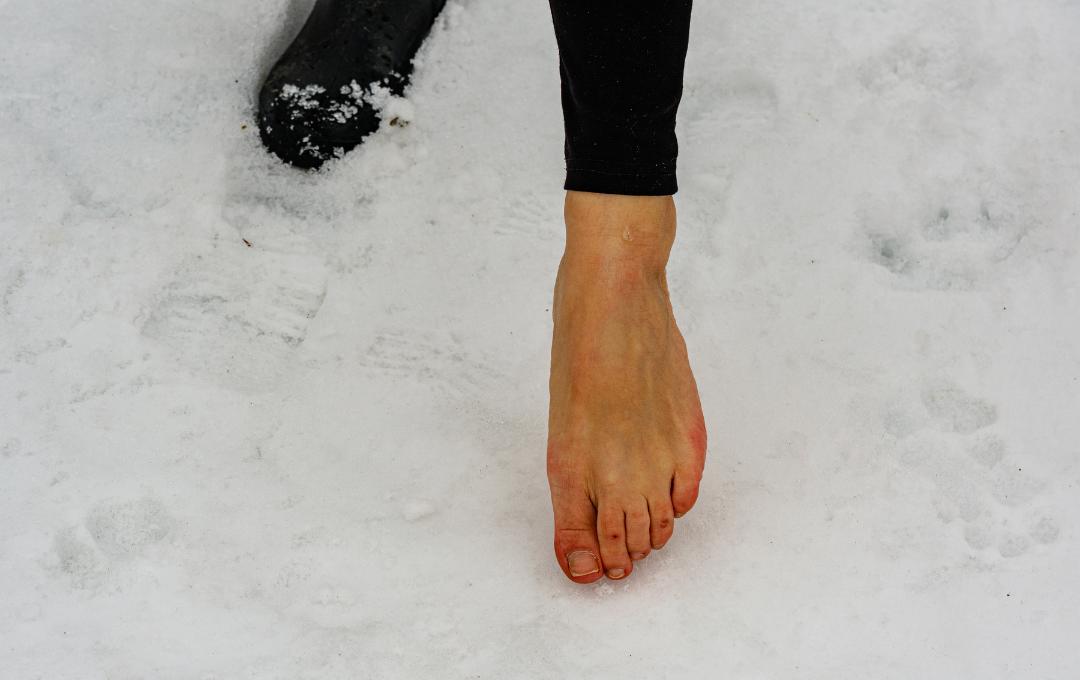
When temperatures drop, many people complain of cold feet. In some cases, the sensation is simply a response to chilly weather. However, persistently cold feet—especially when accompanied by other leg or foot changes—can be an early sign of poor circulation. Understanding why this happens and which symptoms matter can help individuals seek care sooner and potentially prevent more serious vascular issues.
Why Leg Circulation Matters
Healthy circulation depends on blood flowing efficiently through arteries and veins to deliver oxygen and nutrients to tissues. The feet are located far from the heart, which makes them especially sensitive to changes in vascular health. When blood flow becomes restricted, the extremities often show the earliest signs.
SCHEDULE A VISIT WITH A LEG CIRCULATION SPECIALIST
Common Causes of Cold Feet Linked to Circulation
Peripheral Artery Disease (PAD)
PAD occurs when arteries narrow due to plaque buildup, limiting blood flow to the legs and feet. It is a leading cause of cold feet, calf cramping during activity (claudication), and slow-healing wounds.
Chronic Venous Insufficiency (CVI)
CVI occurs when leg veins cannot effectively push blood back to the heart, causing blood to pool in the legs. This can lead to swelling, heaviness, achiness, temperature changes, and visible varicose veins.
Raynaud’s Phenomenon
Raynaud’s causes sudden narrowing of small blood vessels in the fingers and toes. Episodes may trigger coldness, numbness, or color changes—often white or blue—before blood flow returns.
Diabetes
Diabetes can damage both nerves and blood vessels over time. Reduced sensation in the feet combined with impaired circulation increases the risk of ulcers and slow-healing wounds.
Hypothyroidism
An underactive thyroid can slow metabolism and affect the body’s ability to regulate temperature, contributing to cold hands and feet.
Lifestyle Factors
Smoking, prolonged sitting or standing, and limited physical activity can negatively affect blood flow. Cold feet may be one of the earliest symptoms noticed.
Early Symptoms to Watch For
Cold feet are only one part of the picture. Individuals experiencing circulation issues may also notice:
• Numbness or tingling in feet or toes
• Skin color changes (pale, bluish, or reddish tones)
• Leg heaviness or fatigue after short activity
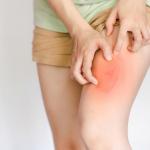
• Swelling around ankles or lower legs
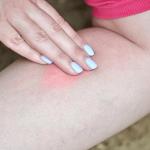
• Cramping or pain in the calves while walking
• Dry, thin, or shiny skin
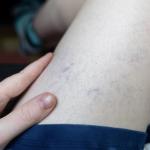
• Visible varicose or spider veins
• Slow-healing cuts or sores
These symptoms may come and go, making them easy to dismiss. However, early intervention is often the key to preventing chronic complications.
When to Seek Medical Evaluation
Consider a medical evaluation if:
• Cold feet persist in warm environments
• Leg or foot discomfort interferes with daily activities
• Pain improves with rest after walking (a sign of PAD)
• Sores on the legs or feet heal slowly
• There is sudden leg swelling, discoloration, or skin temperature change
Left untreated, poor circulation may progress and increase the risk of infection, mobility limitations, or more serious vascular disease.
USA Vein Clinics provides non-surgical, image-guided treatments for conditions such as chronic venous insufficiency and varicose veins. Patients can receive diagnostic evaluations and minimally invasive procedures in outpatient clinics nationwide. Improving venous circulation may help relieve uncomfortable symptoms and support long-term vascular health.
Cold feet may feel like a minor annoyance, but they can be an early sign of underlying vascular issues. Paying attention to subtle changes and seeking guidance can lead to earlier care and better outcomes.