Hormones influence many aspects of women’s health, including areas that often go unrecognized such as circulation and vein function. While hormones are typically discussed in relation to fertility, mood, or metabolism, they also have important effects on the vascular system. Understanding these relationships can help women notice changes throughout different stages of life and better understand when certain symptoms may be signaling circulation challenges rather than just hormonal fluctuations.
Hormonal Effects on the Vascular System
The two hormones most closely linked to vein function are estrogen and progesterone. Estrogen supports elasticity within blood vessel walls by helping endothelial cells maintain healthy structure and function. When estrogen is adequately balanced, veins and arteries are better able to dilate and constrict, supporting smooth circulation and appropriate clotting responses.
Progesterone influences the vascular system differently. It has a natural relaxing effect on smooth muscle tissue, including the muscular walls of veins that assist in pushing blood upward against gravity. When progesterone rises, veins may lose some of their tone, slowing the return of blood from the legs to the heart. Progesterone also influences fluid balance, which is why some women report swelling or heaviness during progesterone-dominant phases of the cycle.
Menstrual Cycle Fluctuations and Circulatory Changes
Because estrogen and progesterone rise and fall throughout the menstrual cycle, circulation can feel different during certain phases. Some women experience mild swelling or heaviness in the legs during the luteal phase, when progesterone peaks. Although temporary, these sensations can be more noticeable in women who already have mild venous insufficiency, sit or stand for long periods, or have a family history of varicose veins. In some cases, these cyclical symptoms serve as early clues that the vascular system may need support.
Pregnancy: A Period of Hormonal and Vascular Demand
Pregnancy brings some of the biggest hormonal shifts a woman will experience. Estrogen and progesterone increase dramatically to support fetal development and prepare the body for childbirth. At the same time, blood volume expands significantly, and the growing uterus can restrict venous flow in the pelvis, making it harder for blood to return from the legs.
These combined influences can lead some pregnant individuals to notice:
-
Swelling in the ankles and feet
-
Visible varicose or spider veins
-
A sensation of heaviness or fatigue in the legs
-
Discomfort after standing for extended periods
While some changes improve after childbirth, others persist, especially after multiple pregnancies or in women with underlying venous reflux.
Menopause and the Impact of Declining Estrogen
Menopause brings its own set of vascular challenges. As estrogen declines, blood vessel walls may become less flexible and less efficient at supporting circulation. These changes often overlap with lifestyle shifts such as reduced physical activity or increased sedentary time, which can further challenge venous return from the legs. As a result, some women begin noticing symptoms—sometimes for the first time—after the onset of menopause, including swelling, discomfort, or visible vein changes that may have previously gone unnoticed.
Hormones, Fluid Retention, and Swelling
Throughout the reproductive years, many women experience fluid shifts linked to hormonal fluctuations. This may appear as ankle swelling, tightness in the calves, or difficulty wearing rings or shoes during certain times of the month. Although fluid changes do not necessarily indicate vein disease, they do influence how blood pools or circulates in the lower extremities. The effects tend to be more noticeable in women with sedentary occupations, reduced muscle mass, or prior pregnancies.
When Hormones Reveal Underlying Vein Conditions
Hormones do not directly cause varicose veins or chronic venous insufficiency, but they can make these conditions more noticeable. For example, a woman with mild venous reflux might remain asymptomatic until pregnancy increases blood volume, or until menopause reduces vascular elasticity. Hormonal birth control that contains progesterone may also increase a sense of leg heaviness or mild swelling because of smooth muscle relaxation in the veins.
Symptoms that may become more noticeable during hormonal shifts include:
-
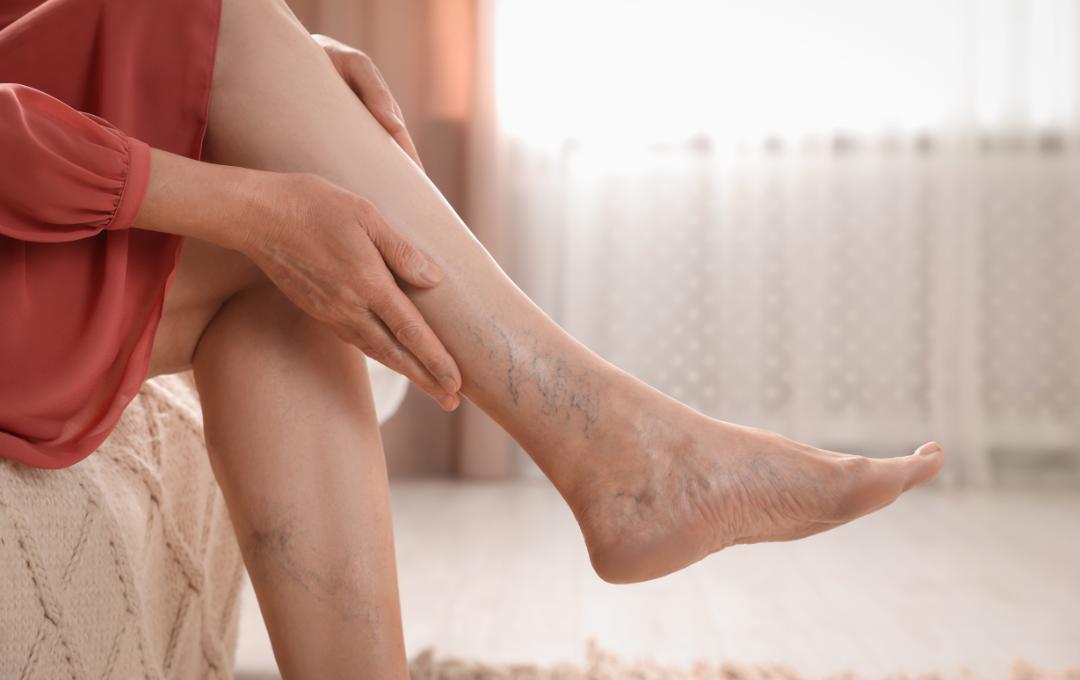
Visible varicose or spider veins on the legs or ankles
-
A heavy, achy, or throbbing sensation in the lower legs
-
Swelling at the end of the day, especially around the ankles
-
Leg fatigue after sitting or standing for long periods
Noticing these symptoms during hormonal life stages does not necessarily indicate disease, but it does make vascular health worth monitoring.
Supporting Circulation Across Hormonal Life Stages
While hormonal changes cannot be entirely controlled, supportive habits can strengthen circulation. Regular walking, stretching, or strength training helps activate the calf muscle pump, which plays an essential role in venous return. Adequate hydration supports healthy blood viscosity, and elevating the feet after long periods of sitting or standing can reduce pooling in the lower legs. Compression garments provide external structural support for veins and may help during pregnancy, travel, or sedentary workdays. Nutrition also contributes to vascular resilience, especially when emphasizing antioxidant-rich foods, fiber, and healthy fats.
When to Seek Medical Guidance
Because hormonal effects can resemble vascular symptoms, women sometimes attribute persistent swelling, leg heaviness, or visible veins solely to age or lifestyle. Speaking with a healthcare provider can help distinguish between expected hormonal changes and circulation concerns that may benefit from evaluation or symptom management. Early discussions also allow women to better understand how the vascular system functions during different life stages, from puberty to menopause and beyond.