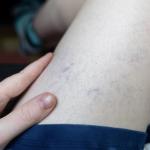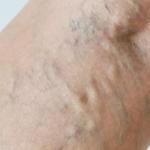
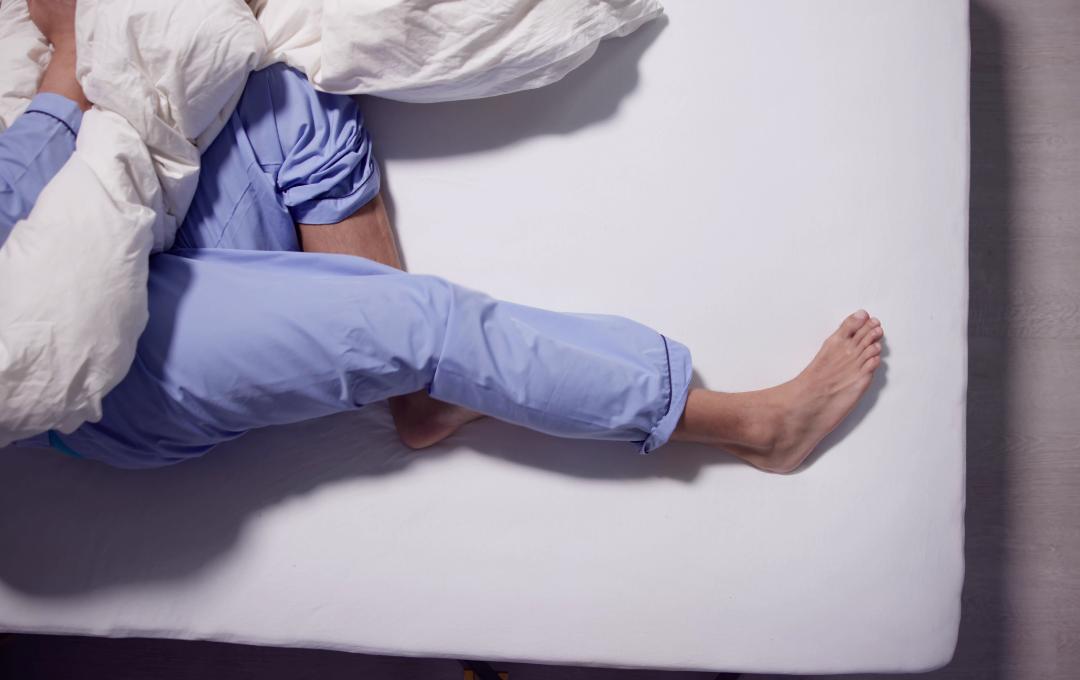
Sleep is often discussed in the context of cognitive function, immune health, or mood, but it also plays a critical—and often overlooked—role in vascular and circulatory health. Adequate rest allows the cardiovascular system to regulate blood pressure, repair endothelial tissue, and maintain the rhythmic processes that keep blood flowing efficiently throughout the body. When sleep is disrupted or chronically insufficient, circulation can be affected in subtle ways that accumulate over time.
How Sleep Supports Cardiovascular and Circulatory Function
During sleep, the cardiovascular system enters restorative phases that are not accessible during waking hours. Blood pressure drops, heart rate decreases, and blood vessels relax to accommodate a slower, more controlled flow of blood. This nightly “downshift” reduces stress on the heart and vascular system. It also gives endothelial cells—the cells that line the interior of veins and arteries—time to repair oxidative stress, inflammation, and day-to-day wear.
When sleep is consistently short or fragmented, the sympathetic nervous system remains more active, elevating heart rate and constricting blood vessels. Over time, this can influence blood pressure regulation and reduce the vascular system’s ability to adapt to physical or environmental demands such as standing, heat, or stress.
The Link Between Sleep, Fluid Balance, and Circulation
When it comes to blood circulation, sleep also plays a role in how the body manages fluid distribution. During the day, gravity pulls fluid toward the legs and ankles; at night, lying down redistributes that fluid more evenly through the body. Individuals who do not get enough restorative sleep may not experience enough time in these horizontal fluid redistribution phases, sometimes leading to persistent daytime swelling or heaviness in the lower legs.
The lymphatic system, responsible for clearing metabolic waste and supporting immune function, becomes more active during sleep as well. A rested lymphatic system works synergistically with veins to move fluid through tissues, which supports healthier circulation overall.
When Poor Sleep Begins to Affect Circulation
Short-term sleep loss may cause mild symptoms such as fatigue or slower recovery after physical activity. However, long-term sleep disturbances—including insomnia, shift work, and untreated sleep apnea—can influence circulatory health more significantly. Research has linked chronic poor sleep to increased inflammation, dysregulated blood pressure, and vascular stiffness, all of which affect how easily blood flows through arteries and veins.
Sleep apnea is a notable example. Pauses in breathing during the night activate the sympathetic “fight or flight” response repeatedly, preventing normal drops in blood pressure and stressing vascular walls. Over months or years, this pattern may contribute to changes in circulation that individuals only recognize once symptoms appear.
Daytime Rest and Its Contribution to Circulation
While nighttime sleep is irreplaceable, daytime rest also contributes to circulation in unique ways. Short rest periods—such as brief breaks from prolonged sitting, or moments spent elevating the legs—support venous return by reducing gravitational pooling in the lower extremities. Rest also affects microcirculation within muscles and connective tissues, helping nutrients and oxygen reach areas that may have been taxed by continuous activity.
Many individuals in sedentary occupations experience circulatory strain not from intense exertion, but from long uninterrupted bouts of sitting. Incorporating intentional rest breaks encourages the calf muscles to contract, which helps push blood back toward the heart.
Physical and Behavioral Patterns That Influence Sleep and Circulation
Certain habits make it harder for the body to transition into restorative sleep. Irregular schedules, high evening stress, heavy late meals, and bright light exposure from screens can disrupt circadian rhythms and shorten sleep duration. These patterns indirectly affect circulation by limiting the time the cardiovascular system spends in restorative states.
Common contributors to sleep-related circulatory strain include:
-
Long-term shift work or irregular sleep timing
-
Excessive caffeine or stimulant intake late in the day
-
Extended blue light exposure from screens before bedtime
-
Untreated snoring or suspected sleep apnea that interrupts breathing
Addressing these contributors is not solely about improving sleep quality but also about supporting the heart, blood vessels, and lymphatic system in their nightly recovery processes.
Protective Habits That Support Healthy Sleep and Circulation
Supporting sleep and circulation often involves aligning daily behaviors with the body’s natural rhythms. Gentle physical activity during the day can enhance nighttime sleep quality by promoting parasympathetic nervous system activity and improving venous return. Hydration throughout the day assists blood volume and reduces the likelihood of nighttime cramps related to electrolyte imbalance. Consistent sleep timing strengthens circadian regulation, making it easier to achieve deep, restorative sleep stages.
Helpful strategies may include:
-
Maintaining consistent sleep and wake times, even on weekends
-
Incorporating short walking or stretching breaks to stimulate venous return
-
Limiting heavy meals late at night to reduce cardiovascular strain during sleep
-
Creating sleep environments that reduce light, noise, and interruptions
These approaches do not replace medical evaluation when sleep disorders are present, but they do reinforce the physiological processes that contribute to vascular resilience and fluid regulation.
When Sleep Concerns Overlap with Circulatory Symptoms
Some individuals begin noticing circulatory symptoms such as swollen ankles, nighttime leg discomfort, or a heavy sensation after long workdays. Others may notice that sleep feels unrefreshing despite adequate hours, or that snoring and breathing interruptions wake them frequently. Because sleep and circulation are interconnected, it can be helpful to consider both when symptoms arise. Discussing concerns with a healthcare provider can help identify whether circulation, sleep patterns, or both may be contributing to changes in daily comfort or physical performance.