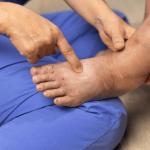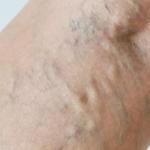
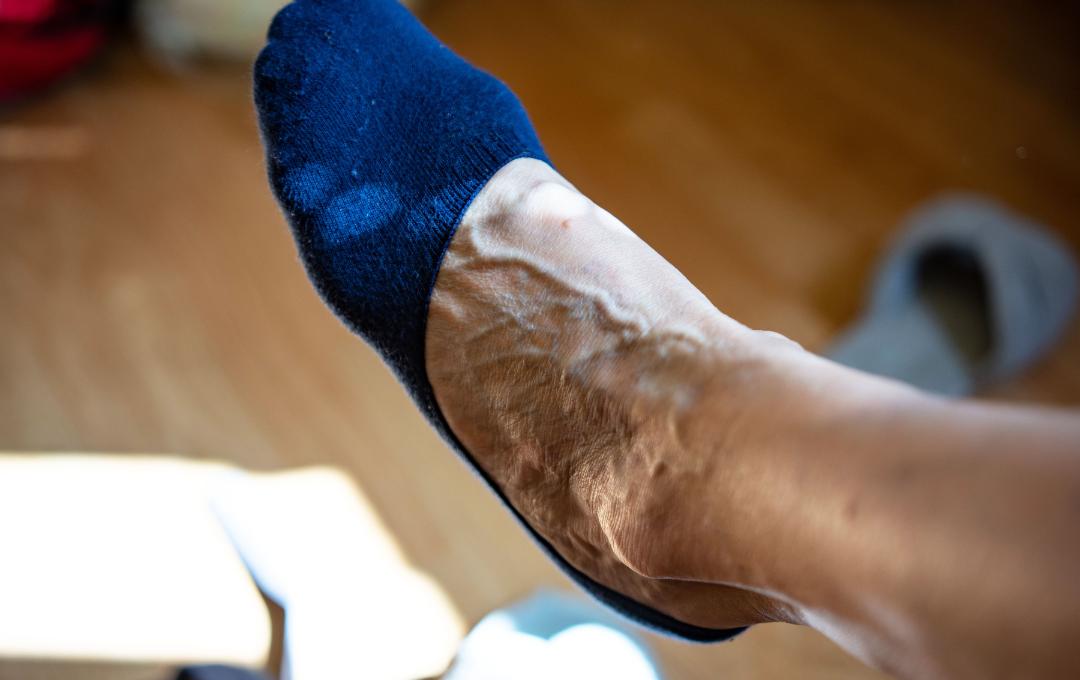
Varicose veins are often described as a “cosmetic problem,” but for many people they are a chronic medical condition that can cause aching, heaviness, swelling, and fatigue in the legs. When someone decides to treat varicose veins, it is natural to ask whether the results will last or if the veins are likely to return over time.
The answer is more nuanced than a simple yes or no. Modern treatments can provide long-lasting relief for the veins that are treated, but vein disease itself is a progressive condition. Understanding the difference between treating a specific vein and managing an ongoing condition is key to setting realistic expectations.
What Happens to a Vein After Treatment?
Most contemporary varicose vein treatments work by closing or removing a diseased vein so that blood can reroute to healthier vessels nearby. When a treated vein is successfully closed or removed, it does not “reopen” or come back in the same form. Over time, the body naturally absorbs or reconfigures that vessel.
Common minimally invasive treatments include:
-
Endovenous thermal ablation (laser or radiofrequency): Heat energy is used inside the vein to seal it shut.
-
Sclerotherapy (including foam): A medicated solution is injected into the vein, causing the vein walls to stick together and close.
-
Non-thermal closure techniques (e.g., adhesive-based, mechanical–chemical): The vein is closed with medication, mechanical action, or medical-grade adhesive rather than heat.
In each case, the goal is to inactivate the diseased vein so it no longer contributes to pooling, pressure, and visible bulging.
What “Permanent” Really Means With Vein Treatment
When people ask whether varicose vein treatments are permanent, they often mean: “Will this vein stay gone?” For the vein that is successfully treated, the closure is generally considered permanent. That specific segment is not expected to reopen and become varicose again.
However, vein disease is a chronic condition influenced by genetics, age, weight, hormones, and lifestyle. Treating one or several problematic veins does not change a person’s underlying tendency to develop new vein issues in the future. This is why someone can experience meaningful, long-lasting relief and still need additional treatments years later.
Why Varicose Veins Can Return or New Ones Can Appear
It may help to think of varicose vein treatment as managing a condition rather than performing a one-time “cure.” Even when a treatment is technically successful, other veins can become diseased over time. Factors that can contribute to recurrence or new varicose veins include:
-
Genetics: A strong family history increases the likelihood of developing vein disease again.
-
Occupational demands: Jobs that require long periods of standing or sitting can place ongoing strain on the veins.
-
Aging and hormonal changes: Natural aging, pregnancy, and hormone shifts can affect vein walls and valves.
-
Weight and activity level: Excess weight and low activity can increase pressure in leg veins and slow circulation.
In some cases, what appears to be the “same” vein may actually be a nearby vein that has become more visible as time passes, especially if the underlying venous system is already under stress.
Recurrence vs. Incomplete Treatment
It is also important to distinguish between true recurrence and incomplete or partial treatment. Sometimes, a single vein or network of veins is more complex than it appears on the surface. If all contributing segments are not addressed initially, symptoms or visible veins may persist or reappear sooner than expected.
For example, a large varicose vein may be connected to underlying reflux in a deeper trunk vein. If the deeper source is not treated, smaller branches can refill, leading to the impression that treated veins were “not permanent.” In reality, additional work may simply be needed to address all areas of reflux.
Durability of Different Treatment Approaches
Some treatment approaches primarily target surface appearance, while others also address underlying sources of reflux. In general:
-
Superficial-only treatments (for example, injections in isolated surface veins) can be very effective for visible improvements, but may not fully treat deeper reflux if present.
-
Treatments guided by ultrasound aim to identify and treat both the visible veins and the underlying veins that are feeding them, which may support more durable symptom relief.
Regardless of the method, ongoing follow-up and periodic evaluations can help identify new problem areas early, before symptoms become severe.
Lifestyle and Long-Term Vein Health
Although no lifestyle change can guarantee that varicose veins will never appear again, certain habits can support better vein health over time. Regular movement helps the calf muscles pump blood back toward the heart. Maintaining a stable, healthy weight reduces pressure on leg veins. Elevating the legs when possible can help counteract the effects of gravity and pooling.
Supportive strategies that complement treatment may include:
-
Taking walking or movement breaks during long periods of sitting or standing
-
Using compression garments as recommended by a healthcare provider
-
Incorporating low-impact exercise, such as walking or cycling, into routine
-
Avoiding prolonged heat exposure to the legs that can dilate veins
These steps can’t replace medical care, but they can work alongside treatment to support more comfortable, sustainable results.
Setting Realistic Expectations
For many people, varicose vein treatment significantly reduces pain, heaviness, swelling, and visible bulging—often improving daily comfort and confidence. The veins that are successfully closed or removed are not expected to return, but the underlying tendency toward vein disease may remain. Knowing this allows individuals to view treatment as one part of an ongoing plan to manage vein health rather than a once-and-for-all fix.
Regular monitoring, staying aware of new symptoms, and maintaining supportive lifestyle habits can all help extend the benefits of treatment over time.