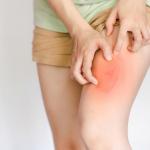

Many people notice that their legs feel tired, heavy, or uncomfortable after sitting or standing for long periods. Interestingly, those same symptoms often improve once they start walking. If your legs feel better with movement, it may not just be coincidence—it could be related to how blood circulates through the veins in your legs.
Walking activates the muscles that help move blood through your veins. When circulation improves, pressure inside the veins decreases, which can relieve symptoms such as heaviness, aching, or swelling. Understanding why movement improves these symptoms can help you recognize when leg discomfort may be related to vein health.
How Circulation Works in the Legs
The veins in your legs carry blood back toward the heart. Because blood must travel upward against gravity, the veins rely on two important mechanisms to keep circulation working properly: one-way valves inside the veins and muscle movement in the legs.
Each time you walk, your calf muscles contract and relax. This action functions like a pump, helping push blood upward through the veins. When the calf muscles contract, they squeeze the veins and move blood toward the heart. The valves inside the veins then close to prevent blood from flowing backward.
This system is often referred to as the “calf muscle pump,” and it plays a major role in maintaining healthy circulation in the legs.
Why Walking Can Relieve Leg Symptoms
When you remain still for long periods—whether sitting or standing—the calf muscles are not actively pumping blood upward. Without this assistance, blood may begin to slow down in the veins of the lower legs.
Over time, this can cause pressure to build inside the veins. As pressure increases, people may begin to feel heaviness, aching, or fatigue in their legs.
Walking helps relieve these symptoms because movement activates the calf muscle pump. This encourages blood to move upward through the veins and reduces the pressure that has built up in the lower legs.
People who experience circulation-related symptoms may notice:
-
Leg heaviness or fatigue that improves with walking
-
Aching or throbbing discomfort after sitting or standing
-
Swelling around the ankles that decreases after movement
-
Legs that feel tight or pressurized by the end of the day
When blood flow improves, many of these symptoms may temporarily improve as well.
Conditions That May Cause Leg Symptoms to Improve With Walking
While improved circulation from movement is normal, consistent relief of leg symptoms with walking can sometimes be associated with underlying vein conditions.
One common cause is chronic venous insufficiency (CVI). This condition occurs when the valves inside the veins become weakened or damaged. When this happens, blood may begin to flow backward in the veins—a process known as venous reflux.
As blood pools in the veins of the legs, pressure increases. This pressure can lead to symptoms such as heaviness, swelling, and discomfort that become more noticeable throughout the day. Movement helps relieve this pressure temporarily by improving circulation.
Several factors can increase the risk of vein disease, including:
-
Occupations that require long periods of standing or sitting
-
Aging, which can weaken vein valves over time
-
Pregnancy, which increases pressure in the leg veins
-
A family history of varicose veins or vein disease
-
Excess weight that places additional strain on the veins
Because these factors often develop gradually, many people may not initially realize their symptoms are related to circulation.
UNSURE ABOUT YOUR SYMPTOMS? TAKE OUR QUIZ
Why Symptoms Often Return After Rest
Although walking may temporarily improve symptoms, the relief may not last if an underlying vein condition is present.
If the valves inside the veins are not functioning properly, blood may begin pooling in the legs again when a person stops moving. As pressure builds inside the veins, symptoms such as heaviness, swelling, or aching may gradually return.
This cycle—symptoms worsening during inactivity and improving with movement—is a common pattern seen in people with venous insufficiency.
How Vein Doctors Evaluate Circulation
When circulation problems are suspected, a vein specialist may perform a duplex ultrasound exam to evaluate blood flow in the veins. This noninvasive imaging test allows doctors to observe how blood moves through the veins and determine whether venous reflux is present.
Ultrasound testing can identify areas where blood may be flowing backward or pooling in the veins. This information helps specialists determine whether treatment may help improve circulation and relieve symptoms.
Treatment Options for Vein Disease
If vein disease is diagnosed, several minimally invasive treatments are available. These procedures are designed to close malfunctioning veins so that blood can naturally reroute through healthier veins.
Common treatment options include:
-
Endovenous Laser Therapy (EVLT)
-
Ultrasound-guided sclerotherapy
These treatments are typically performed in an outpatient setting and often require little recovery time.
When to Find Treatment
Occasional leg fatigue is common, especially after long periods of inactivity. However, if your legs regularly feel heavy, swollen, or uncomfortable when you sit or stand—and feel noticeably better when you walk—it may be worth having your circulation evaluated.
A vein specialist can assess your symptoms, examine your veins, and determine whether an underlying vein condition may be affecting your circulation.
If leg discomfort, heaviness, or swelling occurs regularly, scheduling a consultation can help you better understand your vein health and explore possible treatment options.