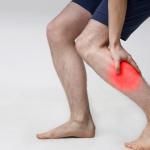
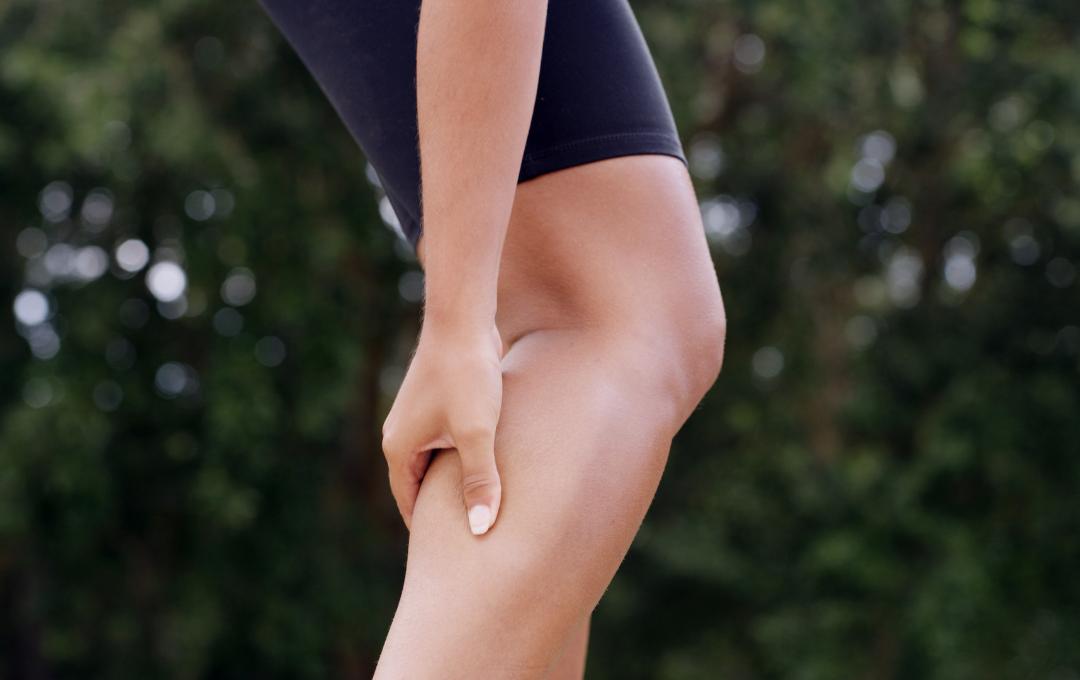
Many people experience discomfort in their legs at some point. Sometimes it feels like a dull ache or sharp pain. Other times it feels like pressure, heaviness, or tightness in the legs. While these sensations can feel similar, leg pressure and leg pain can have different causes.
Understanding the difference between these symptoms can help you recognize when the issue may be related to circulation or vein health. In some cases, persistent pressure or pain in the legs may indicate an underlying vein condition that affects blood flow.
Understanding Leg Pressure
Leg pressure often feels like tightness or fullness in the legs. Some people describe it as a sensation that their legs are swollen, heavy, or being squeezed. This feeling may develop gradually during the day and become more noticeable after long periods of standing or sitting.
Pressure in the legs is commonly associated with circulation changes. When blood does not move efficiently through the veins, pressure can build inside the blood vessels. Over time, this increased pressure may lead to discomfort and other symptoms.
People who experience leg pressure related to circulation problems may notice:
-
A feeling of heaviness or fullness in the calves or lower legs
-
Tightness or pressure that worsens later in the day
-
Swelling around the ankles or lower legs
-
Symptoms that improve after walking or elevating the legs
These symptoms are often associated with conditions such as chronic venous insufficiency, which occurs when the valves inside the veins do not function properly.
GET A CONSULTATION WITH A CIRCULATION SPECIALIST
Understanding Leg Pain
Leg pain can feel different depending on the underlying cause. Some people experience aching or throbbing discomfort, while others may feel sharp or cramping pain. Pain may occur during physical activity, after long periods of standing, or while resting.
Muscle strain, overuse, and dehydration can cause temporary leg pain. However, circulation issues can also contribute to discomfort in the legs. When blood flow becomes restricted or inefficient, tissues may not receive the oxygen they need, which can lead to pain.
Common signs of leg pain may include:
-
Aching or throbbing sensations in the legs
-
Cramping or muscle tightness in the calves
-
Pain that worsens after standing or sitting for long periods
-
Discomfort that may occur alongside visible veins or swelling
Because many different conditions can cause leg pain, it is important to consider other symptoms that may be present.
How Circulation Problems Can Cause Both Symptoms
Circulation plays a major role in how the legs feel throughout the day. The veins in the legs carry blood back to the heart, and they rely on one-way valves and muscle movement to keep blood flowing in the right direction.
When these valves weaken or become damaged, blood may begin to flow backward in the veins. This process is known as venous reflux. As blood pools in the veins of the lower legs, pressure can increase inside the veins.
This pressure may create a sensation of heaviness or fullness. Over time, the increased pressure can also lead to aching or throbbing discomfort.
As a result, many people with vein disease experience both leg pressure and leg pain.
When Symptoms May Be Related to Vein Disease
Occasional leg discomfort can happen to anyone after a long day. However, persistent symptoms may indicate an underlying vein condition. Many people first notice symptoms that gradually worsen throughout the day and improve with rest or movement.
Additional signs of vein disease may include visible varicose veins, swelling around the ankles, or skin irritation near the lower legs.
Because vein disease often develops slowly, symptoms may become more noticeable over time. Recognizing the difference between pressure and pain can help people better understand what their body may be signaling.
How Leg Symptoms are Evaluated
When symptoms suggest a possible vein condition, a vein specialist may evaluate circulation using a duplex ultrasound exam. This imaging test allows doctors to observe blood flow through the veins and identify whether blood is moving properly toward the heart.
Ultrasound testing can detect venous reflux, damaged vein valves, or areas where blood may be pooling. These results help specialists determine whether vein disease may be contributing to the symptoms.
Treatments for Vein Disease
If a vein condition is diagnosed, several minimally invasive treatments may help restore healthy circulation. These procedures work by closing malfunctioning veins so blood can naturally reroute through healthier veins.
Common treatment options include:
-
Endovenous Laser Therapy (EVLT)
-
Radiofrequency Ablation (RFA)
-
Ultrasound-guided sclerotherapy
These procedures are typically performed in an outpatient setting and allow many patients to return to normal activities soon after treatment.
When to Consult a Vein Specialist
Leg pressure or leg pain may not always indicate a serious condition. However, symptoms that occur frequently or worsen over time may suggest a circulation problem.
A vein specialist can evaluate your symptoms and determine whether vein disease may be contributing to your discomfort. Identifying circulation problems early can help prevent symptoms from progressing and allow for treatment options that may improve leg health and comfort.
If leg pressure, heaviness, swelling, or pain occurs regularly, scheduling a consultation can help you better understand the cause and explore possible solutions.