Many people notice a strange sensation in their legs where they feel tight, stiff, or pressurized, even though there is no obvious swelling. This feeling can be uncomfortable and confusing because the legs may look normal while still feeling tense or heavy.
Leg tightness without visible swelling can happen for several reasons. In some cases, it may be related to muscle fatigue or long periods of inactivity. In other situations, it may be connected to circulation changes in the veins of the legs.
Understanding what may cause this sensation can help you determine whether the issue is temporary or related to an underlying vein condition.
What Does Leg Tightness Without Swelling Feel Like?
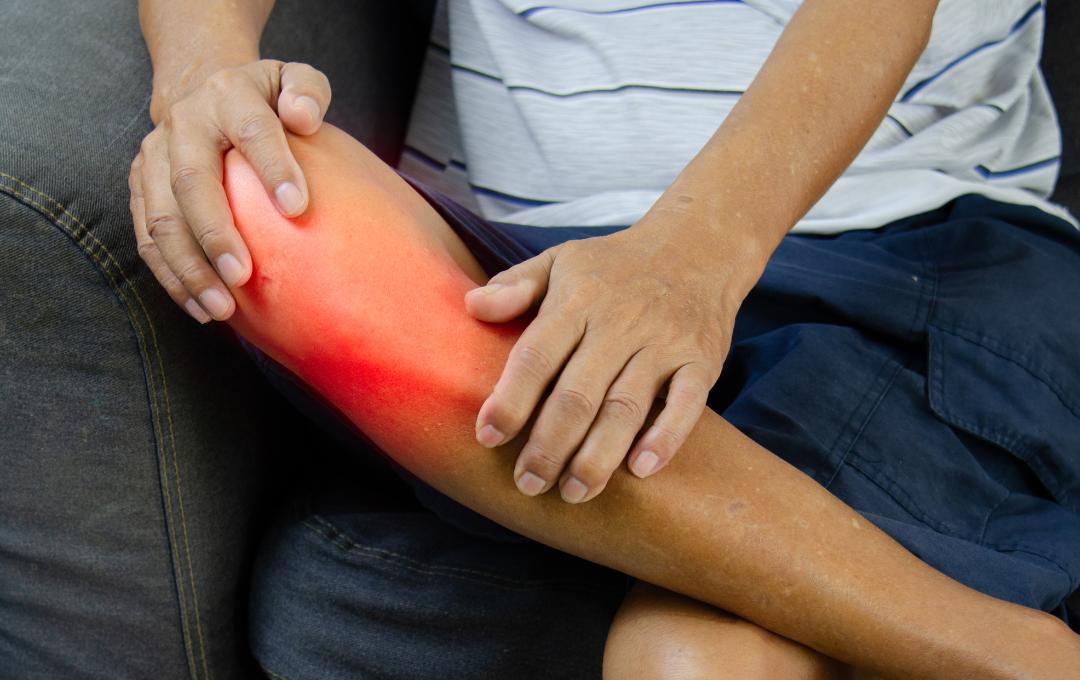
Leg tightness is often described as a sensation of pressure, stiffness, or fullness in the muscles of the calves or lower legs. Some people feel as if their legs are tense or restricted even though they do not appear swollen.
This sensation may develop gradually throughout the day. Many people notice it most after standing or sitting for extended periods. Others may feel tightness after physical activity or at the end of a long workday.
Because there is no visible swelling, the sensation may be easy to dismiss at first. However, persistent tightness can sometimes signal changes in circulation.
How Circulation Can Create a Tight Feeling in the Legs
The veins in the legs carry blood back toward the heart. To move blood upward against gravity, the veins rely on one way valves and the movement of the calf muscles.
When you walk, the calf muscles contract and help push blood through the veins. This movement helps prevent blood from collecting in the lower legs.
If the valves inside the veins become weakened, blood may begin flowing backward. This condition is known as venous reflux and is a common cause of chronic venous insufficiency.
When blood begins to pool in the veins, pressure inside the blood vessels may increase. This increased pressure can create a sensation of tightness or fullness in the legs even before noticeable swelling occurs.
Common Symptoms That May Occur With Leg Tightness
Leg tightness often occurs alongside other subtle symptoms that may point to circulation changes. These symptoms tend to appear gradually and may worsen later in the day.
People experiencing circulation related leg discomfort may notice:
-
A feeling of pressure or tightness in the calves
-
Legs that feel heavy or fatigued by the end of the day
-
Mild discomfort that improves with walking
-
Symptoms that feel better after elevating the legs
Because these symptoms may appear without swelling, many people may not initially associate them with vein health.
GET ANSWERS TO YOUR LEG VEIN QUESTIONS
Other Possible Causes of Tight Legs
While circulation problems can cause tightness in the legs, several other factors may also contribute to the sensation.
Muscle fatigue, dehydration, and long periods of inactivity can cause muscles to feel stiff or tense. For example, sitting for many hours without movement can temporarily slow circulation and create discomfort in the legs.
Other factors that may contribute to leg tightness include:
-
Standing or sitting in one position for extended periods
-
Muscle fatigue after physical activity
-
Dehydration that affects muscle function
-
Aging, which can influence circulation
-
A family history of vein disease
Because these factors often overlap, identifying the cause of leg tightness sometimes requires a closer look at circulation health.
When Tight Legs May Be Linked to Vein Disease
Vein disease often develops slowly, and early symptoms may not always be obvious. Many people first notice sensations such as heaviness, fatigue, or tightness before more visible signs appear.
As pressure inside the veins continues to increase, symptoms may gradually progress. Swelling, varicose veins, and skin changes near the ankles may eventually develop if circulation problems continue.
If leg tightness frequently occurs later in the day or improves when walking or elevating the legs, circulation may be contributing to the symptoms.
How Doctors Evaluate Circulation in the Legs
When circulation problems are suspected, vein specialists often use a duplex ultrasound exam to evaluate blood flow. This noninvasive imaging test allows doctors to observe how blood moves through the veins.
Ultrasound testing can reveal whether blood is flowing backward in the veins or pooling in certain areas. This information helps specialists determine whether a vein condition may be responsible for the symptoms.
Treatment Options for Circulation Related Leg Symptoms
If a vein condition is diagnosed, several minimally invasive treatments can help restore healthy circulation. These procedures work by closing malfunctioning veins so that blood can reroute through healthier veins.
Common treatments include:
-
Endovenous Laser Therapy
-
Radiofrequency Ablation
-
Ultrasound guided sclerotherapy
These procedures are typically performed in outpatient settings and often require little recovery time.
When to Consider a Vein Evaluation
Occasional tightness in the legs can happen after long periods of inactivity or muscle strain. However, persistent tightness that occurs regularly may indicate an underlying circulation issue.
A vein specialist can evaluate your symptoms and determine whether a vein condition may be affecting blood flow in your legs.
If your legs frequently feel tight, heavy, or uncomfortable without an obvious cause, scheduling a consultation can help identify the source of the problem and determine whether treatment may help improve your symptoms.