
Many people with varicose veins look for ways to manage their symptoms without medical procedures. Supplements are often marketed as a natural way to support circulation, reduce swelling, and improve vein health. This leads to a common question: do supplements for varicose veins actually work?
While certain supplements may support overall vascular health, they do not treat the underlying cause of varicose veins. Understanding how these products work and what they can realistically achieve can help you make informed decisions about your vein health.
Why Varicose Veins Develop
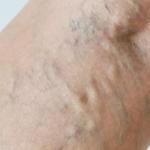
Varicose veins form when the valves inside the veins become weakened or damaged. These valves are responsible for keeping blood moving upward toward the heart. When they stop working properly, blood can begin to flow backward and collect in the veins.
As blood pools, pressure increases inside the veins. Over time, this pressure can cause veins to stretch, enlarge, and become visible beneath the skin. This process is known as venous reflux and is a key factor in chronic venous insufficiency.
Because the problem is related to valve function, treatments that address circulation directly are often needed to improve the condition.
LEARN MORE ABOUT VARICOSE VEINS
What Supplements Are Designed to Do
Supplements for varicose veins are typically formulated to support circulation and strengthen blood vessels. Many of these products contain plant-based compounds or nutrients that are believed to support vascular function.
Some supplements commonly promoted for vein health include:
- Horse chestnut extract, which is often associated with reducing leg discomfort
- Diosmin and hesperidin, which are compounds found in citrus fruits
- Butcher’s broom, which is sometimes used to support circulation
- Flavonoids, which may help support blood vessel function
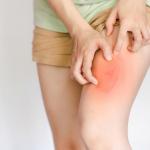
These supplements are often used by people looking to reduce symptoms such as heaviness or swelling in the legs.
What Supplements May Help With
Some individuals report mild improvement in symptoms when using supplements. These effects are usually related to circulation support rather than structural changes in the veins.
Supplements may help with:
- Temporary relief from leg heaviness or fatigue
- Mild reduction in swelling or discomfort
- Supporting overall vascular function
However, these benefits are generally limited and may vary from person to person. Supplements do not repair damaged vein valves or eliminate varicose veins.
Why Supplements Do Not Treat the Root Cause
Varicose veins develop due to mechanical issues within the veins, specifically damaged valves that allow blood to flow backward. Supplements do not restore valve function or correct the underlying circulation problem.
Even if symptoms improve temporarily, the underlying condition may still progress over time. As pressure continues to build in the veins, symptoms such as swelling, aching, and visible veins may become more noticeable.
Because of this, supplements are typically considered supportive rather than corrective.
How Vein Specialists Evaluate Circulation
When symptoms persist, a vein specialist may evaluate circulation using a duplex ultrasound exam. This noninvasive test allows doctors to observe how blood flows through the veins and determine whether venous reflux is present.
Ultrasound imaging can identify areas where blood is pooling and assess the condition of the vein valves. This information helps determine whether a medical treatment approach may be beneficial.
Treatment Options That Address Varicose Veins
Modern treatments for varicose veins focus on correcting circulation by closing veins that are no longer functioning properly. Once these veins are treated, blood is redirected to healthier veins.
Common treatment options include:
- Endovenous Laser Therapy
- Radiofrequency Ablation
- Ultrasound guided sclerotherapy
These procedures are minimally invasive and are typically performed in outpatient settings with little downtime.
When to Consider More Than Supplements
Supplements may be helpful for managing mild symptoms, but they are not a solution for varicose veins that continue to worsen. If symptoms such as leg heaviness, swelling, or visible veins become more noticeable, it may be time to consider a medical evaluation.
A vein specialist can assess your symptoms, examine your circulation, and recommend treatment options that address both the symptoms and the underlying cause.
If you are relying on supplements but still experiencing discomfort, a consultation can help you better understand your condition and explore options that may provide longer lasting relief.