Leg aches are a common concern for many older adults. The discomfort may feel like a dull ache, heaviness, or persistent soreness that develops throughout the day. While occasional leg pain can be related to activity or muscle fatigue, ongoing aches may be linked to changes in circulation, joints, or muscles that occur with age.
Because several conditions can contribute to leg discomfort, understanding the possible causes can help determine when symptoms may need further evaluation.
How Aging Affects the Legs Over Time
As the body ages, natural changes occur in the muscles, joints, and blood vessels. These changes can influence how the legs feel during daily activities.
Muscles may lose strength and flexibility, which can lead to fatigue more quickly. Joints may become less stable or develop wear over time. At the same time, circulation may become less efficient, especially if vein valves weaken.
These combined changes can make the legs more prone to discomfort, particularly after long periods of standing, sitting, or walking.
LEARN MORE LEGS CHANGING OVER TIME
Common Causes of Leg Aches in Older Adults
Leg aches in older adults can have a variety of causes. In many cases, more than one factor may contribute to the discomfort.
Some of the most common causes include:
- Muscle fatigue or strain from daily activity
- Joint conditions such as osteoarthritis
- Reduced circulation in the veins or arteries
- Nerve related issues that affect sensation in the legs
- Dehydration or electrolyte imbalances
Because these causes can overlap, the exact source of leg aches may not always be immediately clear.
When Circulation May Be the Underlying Cause
Circulation problems are a common contributor to leg aches in older adults. The veins in the legs are responsible for carrying blood back to the heart, and they rely on one way valves and muscle movement to maintain proper blood flow.
Over time, these valves can weaken, allowing blood to flow backward and collect in the veins. This condition is known as venous reflux and is a leading cause of chronic venous insufficiency.
When blood pools in the legs, pressure inside the veins can increase. This pressure may lead to aching, heaviness, and fatigue that becomes more noticeable as the day progresses.
Symptoms That May Point to Vein Disease
Leg aches related to vein disease often follow a specific pattern. Symptoms may be mild in the morning and become more noticeable later in the day, especially after long periods of standing or sitting.
People with circulation related leg aches may notice:
- Aching or heaviness that worsens throughout the day
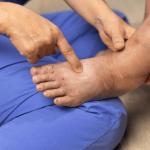
- Swelling around the ankles or lower legs
- Discomfort that improves when walking or elevating the legs
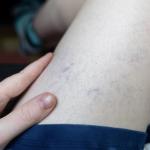
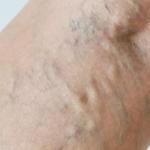
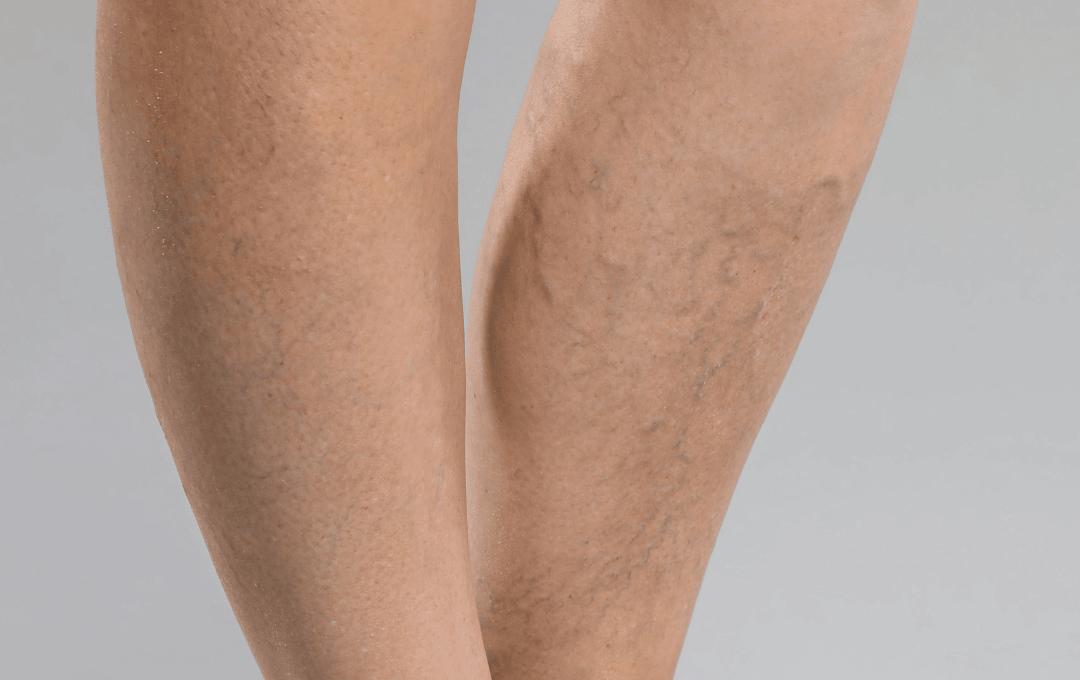
- Visible varicose veins or changes in skin near the ankles
These symptoms may gradually become more noticeable if circulation problems continue.
Other Conditions That Can Cause Leg Pain
Not all leg aches are related to vein disease. Other conditions that commonly affect older adults can also contribute to discomfort in the legs.
Joint related conditions such as osteoarthritis can cause stiffness and pain, particularly during movement. Nerve-related conditions may lead to tingling, burning, or sharp discomfort. In some cases, reduced arterial circulation can also cause leg pain, especially during physical activity.
Because multiple conditions can cause similar symptoms, it is important to consider the overall pattern of discomfort.
How Doctors Evaluate Leg Aches
When leg aches persist or interfere with daily activities, a medical evaluation may help identify the cause. Doctors often begin by reviewing symptoms and medical history.
If circulation problems are suspected, a duplex ultrasound exam may be used to evaluate blood flow in the veins. This noninvasive imaging test allows specialists to see whether blood is moving properly or pooling in the legs.
Additional evaluations may be recommended depending on the suspected cause of the symptoms.
Treatment Options Based on the Cause
Treatment for leg aches depends on the underlying cause. For circulation related issues, minimally invasive vein treatments may help improve blood flow and reduce symptoms.
Common treatment options for vein related leg aches include:
- Endovenous Laser Therapy
- Radiofrequency Ablation
- Ultrasound guided sclerotherapy
These treatments are designed to improve circulation by closing veins that are no longer functioning properly.
When to Seek Medical Advice
Occasional leg aches can be part of normal aging. However, persistent or worsening discomfort may indicate an underlying condition that requires attention.
If leg aches are accompanied by swelling, heaviness, or visible veins, a vein evaluation may help determine whether circulation problems are contributing to the symptoms.
A specialist can assess your condition and recommend appropriate next steps to help improve comfort and mobility.