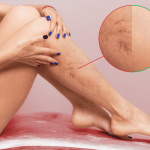

“Poor circulation” is a phrase many people use to describe symptoms such as cold feet, leg pain, or numbness. While it is commonly mentioned in everyday conversations, the term itself is broad and does not refer to a single condition.
Circulation involves the movement of blood through the body, delivering oxygen and nutrients to tissues and carrying waste products away. When circulation is not working efficiently, different parts of the body may not receive the blood flow they need.
Understanding what poor circulation actually means can help you identify the possible causes behind your symptoms and determine when medical evaluation may be needed.
How Blood Circulates Through the Body
The circulatory system includes the heart, arteries, and veins. Arteries carry oxygen rich blood away from the heart to the body, while veins return blood back to the heart.
In the legs, veins must move blood upward against gravity. To do this, they rely on one way valves and the movement of the calf muscles. Each time you walk, your muscles help push blood through the veins and keep it moving efficiently.
When any part of this system is not functioning properly, blood flow may become reduced or inefficient. This is often what people are referring to when they describe poor circulation.
GET A READ MORE ABOUT CIRCULATION WITH A VEIN SPECIALIST
What People Often Mean by Poor Circulation
The term poor circulation is often used to describe a range of symptoms rather than a specific diagnosis. These symptoms can vary depending on whether arteries or veins are involved.
People commonly associate poor circulation with sensations such as:
- Coldness in the hands or feet
- Numbness or tingling in the extremities
- Leg discomfort during activity or rest
- Swelling in the lower legs or ankles
Because these symptoms can have different causes, identifying the source of the issue is important.
Different Conditions That Affect Circulation
Circulation problems can be caused by conditions that affect either the arteries or the veins. These conditions impact blood flow in different ways and may lead to different types of symptoms.
Arterial conditions, such as peripheral artery disease, reduce blood flow to the legs by narrowing or blocking arteries. This can lead to symptoms like pain during walking or delayed healing.
Venous conditions, such as chronic venous insufficiency, affect how blood returns to the heart. When vein valves do not function properly, blood can pool in the legs, leading to pressure, swelling, and heaviness.
Some common causes of circulation related symptoms include:
- Venous reflux that causes blood to pool in the legs
- Reduced arterial blood flow to the lower extremities
- Prolonged sitting or standing that slows circulation
- Conditions that affect blood vessels over time
Because these conditions affect different parts of the circulatory system, symptoms may vary from person to person.
How Circulation Issues Can Affect the Legs
The legs are particularly sensitive to circulation problems because they are located far from the heart and must work against gravity to maintain blood flow.
When circulation is reduced or inefficient, blood may not move through the legs as easily. This can lead to sensations such as heaviness, fatigue, or swelling.
In venous conditions, symptoms often worsen throughout the day as blood pools in the lower legs. In arterial conditions, symptoms may appear during physical activity when muscles require more oxygen.
Understanding how symptoms develop can help identify whether circulation may be a contributing factor.
Signs That May Require Medical Evaluation
Occasional symptoms such as cold feet or mild discomfort can occur without a serious underlying issue. However, persistent or worsening symptoms may indicate a circulation problem that should be evaluated.
Signs that may require attention include:
- Leg pain that occurs regularly or worsens over time
- Swelling that does not improve with rest
- Changes in skin color or temperature in the legs
- Discomfort that affects daily activities
These symptoms may be linked to conditions that require further assessment.
How Doctors Evaluate Circulation
When circulation problems are suspected, doctors may perform different tests depending on the symptoms. For vein related concerns, a duplex ultrasound exam is commonly used to evaluate blood flow in the veins.
This noninvasive imaging test allows specialists to observe how blood moves through the veins and determine whether blood is flowing in the correct direction. It can help identify venous reflux or areas where blood may be pooling.
For arterial concerns, additional tests may be used to assess blood flow through the arteries.
Treatment Options for Circulation Problems
Treatment for circulation issues depends on the underlying cause. For venous conditions, minimally invasive procedures can help improve blood flow by closing veins that are not functioning properly.
Common treatment options for vein related circulation problems include:
- Endovenous Laser Therapy
- Radiofrequency Ablation
- Ultrasound guided sclerotherapy
These treatments are typically performed in outpatient settings and aim to restore more efficient circulation in the legs.
When to Consider a Circulation Check
Understanding what poor circulation means can help you recognize when symptoms may need further evaluation. While the term is often used broadly, it can refer to conditions that affect blood flow in meaningful ways.
If you experience ongoing symptoms such as leg heaviness, swelling, or discomfort, a medical evaluation can help identify the cause. A specialist can assess your circulation and recommend appropriate next steps to support your overall vascular health.