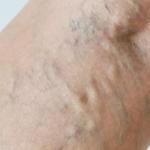

At some point, you look down at your feet and notice that veins have become more visible than they used to be. Perhaps they’re more prominent on the tops of your feet, or more blue and purple than they were before. This observation often triggers concern: Is this normal? Should you be worried? The simple answer is that veins visible in feet aging is a common, natural occurrence. However, understanding what’s normal and what might warrant attention can help you determine whether visible veins are simply a cosmetic change or a sign of something else.
Many people notice increasingly visible veins in their feet as they get older, and there are legitimate reasons this happens. The visibility of veins changes due to natural aging processes, changes in skin, loss of subcutaneous fat, and changes in how veins function. While in many cases visible veins are purely cosmetic, sometimes they can indicate that vein function is changing in ways worth understanding.
Why Veins Become More Visible With Age
As you age, several natural changes occur that make veins more visible. Your skin becomes thinner and loses elasticity over time. This means the protective layer of fat and tissue that once covered your veins gets thinner, making the veins beneath more prominent. The same veins that were invisible under thick, youthful skin become increasingly visible as the overlying tissue thins.
Additionally, collagen and elastin in your skin decrease with age. These proteins are responsible for skin’s firmness and elasticity. As they decline, your skin becomes more translucent and less capable of concealing what’s underneath. This is why veins that were always there—but invisible due to younger skin characteristics—suddenly seem to appear out of nowhere. You haven’t developed new veins; you’ve simply lost the tissue coverage that previously hid them.
Veins themselves also change with age. The walls of veins naturally lose some of their elasticity and can become slightly more distended. This means veins might become slightly larger and potentially more noticeable. The valves in your veins, which help regulate blood flow, become less efficient over time. While this doesn’t always cause problems, it can mean blood pools slightly more in your veins, making them appear more engorged and visible.
Sun exposure over your lifetime also affects vein visibility. Ultraviolet radiation damages skin, causing it to become thinner and less elastic. Areas of your feet and hands that have received significant sun exposure over decades will show more visible veins than protected areas. This is one reason veins are often more visible on the tops of feet—an area frequently exposed to sun—than on the undersides of feet or in protected areas.
Take Our Vein Disease Symptom Quiz
When Visible Veins Are Simply Cosmetic
In many cases, increased vein visibility with age is purely a cosmetic change. If your veins have simply become more visible without causing any discomfort, swelling, or other symptoms, this is usually normal aging. The veins are functioning fine; they’re just more apparent because of natural skin changes.
You can assess whether visible veins are purely cosmetic by observing whether they cause any actual problems. Are your feet comfortable? Is there swelling? Do you experience pain, heaviness, or fatigue in your feet? Is the skin around the veins normal in appearance, or is there discoloration, texture changes, or signs of skin damage? If you answer no to these concerns, visible veins are likely simply a normal aging change.
Some people are naturally more prone to visible veins regardless of age. This is largely determined by genetics. If your parents or relatives had visible veins throughout their lives, you might be predisposed to having visible veins as well. Lighter-skinned individuals tend to have more visible veins than darker-skinned individuals because the contrast between veins and skin is more apparent. Very lean individuals, with less subcutaneous fat, also tend to have more visible veins. These factors are all normal variations in how bodies present, not signs of problems.
When Visible Veins Might Indicate Vein Problems
While visible veins are often cosmetic changes, sometimes they can indicate that vein function is changing. If the veins in your feet have become increasingly prominent and enlarged, or if they appear twisted or bulging, this could indicate varicose veins developing. Varicose veins are enlarged, dysfunctional veins that aren’t moving blood efficiently back to your heart.
The key distinction is whether veins are simply more visible or whether they’re actually enlarged and twisted. Normal veins that are visible due to thin skin will appear as distinct lines, similar to how they always looked, just more apparent. Varicose veins, by contrast, appear thick, rope-like, twisted, or bulging. They might look three-dimensional, standing up from the skin surface.
Another sign that visible veins might indicate problems is if they’re accompanied by symptoms. If your feet swell, feel heavy, ache, or feel uncomfortable alongside visible veins, that combination suggests vein dysfunction. If the skin around your feet changes in appearance—becoming darker, discolored, or developing texture changes—that also suggests vein problems rather than simple cosmetic changes. Similarly, if you develop itching, burning, or other sensations around visible veins, those are signs of vein issues.
Visible veins that are unilateral—present in one foot but not the other—might indicate that one side has more significant vein problems than the other. Symmetrical visible veins are more likely to be cosmetic, while asymmetrical prominent veins warrant more attention.
Factors That Influence Vein Visibility and Function
Beyond aging itself, several factors influence how visible your veins are and how well they function. Activity level matters significantly. People who exercise regularly tend to have more visible veins because enhanced circulation makes veins more engorged during and after activity. This can make veins more prominent, but it typically indicates healthy circulation rather than problems.
Weight is another factor. People with less body fat have more visible veins throughout their bodies, including in their feet. This is why athletes and very lean individuals often have extremely visible veins. Conversely, people with more subcutaneous fat have less visible veins. Neither is necessarily better or worse; it’s simply a reflection of body composition.
Medications can affect vein visibility. Some medications affect how your blood vessels function or how much fluid you retain. Hormonal factors also play a role. Women going through menopause or taking hormonal birth control might notice changes in vein visibility and prominence. These factors are normal variations in how veins present depending on circumstances.
Temperature also affects vein visibility temporarily. When you’re warm, veins dilate and become more visible. When you’re cold, they constrict and become less obvious. This is why veins often look more prominent in summer than in winter. This temporary visibility is completely normal.
The Importance of Vein Function Over Appearance
The most important consideration with visible veins isn’t how they look but how they function. You could have completely invisible veins that are working poorly, or very visible veins that are functioning fine. Appearance alone isn’t an indicator of vein health. What matters is whether veins are effectively returning blood from your feet back to your heart.
Many people become concerned about visible veins purely for cosmetic reasons, but visible veins don’t necessarily require treatment unless they’re causing problems. If visible veins aren’t causing discomfort, swelling, or other symptoms, they pose no health concern. Treating them would be cosmetic, not medical.
However, if visible veins are accompanied by symptoms, if they’re enlarging and becoming more prominent, or if they’re affecting your quality of life, that’s when evaluation makes sense. A professional can determine whether your veins are functioning properly and whether treatment might be beneficial.
When to Seek More Information
If you’ve noticed increasingly visible veins in your feet as you age and you’re concerned about what they might indicate, learning more can provide reassurance or identify whether action is needed. If your visible veins are accompanied by swelling, discomfort, skin changes, or other symptoms, seeking evaluation is worthwhile. A professional can assess whether your veins are functioning properly and whether any treatment would be beneficial.
If visible veins have appeared relatively suddenly, or if they’re enlarging and becoming increasingly prominent, that warrants exploration. While many cases of visible veins are purely cosmetic, understanding your specific situation can help you make informed decisions about your vascular health.
If vein problems are identified, several treatment approaches exist. Conservative approaches might include elevation, compression therapy, and regular movement. If more active treatment is appropriate, minimally invasive options are available:
- Endovenous ablation – Minimally invasive procedure using heat to seal damaged veins
- Sclerotherapy – Injection of solution into veins to close them
- Radiofrequency ablation – Uses radiofrequency energy to heat and close damaged veins from the inside
Learn More
If you’re wondering about visible veins in your feet and whether they’re a normal part of aging or something worth investigating further, learning more can help you understand your situation. Seeing veins become more visible in your feet as you age is a normal part of the aging process in many cases. Thinning skin, loss of subcutaneous fat, decreased collagen and elastin, and natural changes to veins themselves all contribute to increased vein visibility. For most people, this is purely cosmetic and requires no treatment.