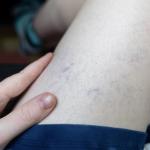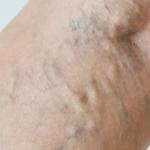

Not every visible vein fits neatly into “spider vein” or “varicose vein.” Reticular veins sit right in between, and they’re often the reason spider veins keep coming back.
If you’ve been treating spider veins without much luck, there’s a good chance a reticular vein is involved somewhere underneath. These mid-size veins don’t get talked about nearly as much, even though they’re one of the most common reasons spider vein treatment doesn’t hold.
Here’s what reticular veins actually are, how to tell them apart from spider veins, and why treating them often matters more than people realize.
What Are Reticular Veins?
Reticular veins are small to medium-sized veins that sit just beneath the surface of the skin, typically appearing blue or green in color. They’re larger than spider veins but smaller than varicose veins, which puts them in their own category between the two.
The name comes from the Latin word for “net,” since these veins often form a web-like or branching pattern across the skin. They’re most commonly found on the thighs, backs of the knees, and ankles.
Reticular Veins vs. Spider Veins: What’s the Difference?
Spider veins and reticular veins are frequently confused because they often appear together, but they’re structurally different. Spider veins are tiny, thread-like veins at the very surface of the skin, usually red or purple, and rarely cause any physical symptoms.
Reticular veins sit slightly deeper and are noticeably larger, with a bluish-green color rather than red. They also tend to act as “feeder” veins, meaning they supply the smaller spider veins branching off from them, which is why spider veins sometimes return even after treatment if the reticular vein behind them wasn’t addressed.
| Factor | Spider Veins | Reticular Veins |
|---|---|---|
| Size | Very thin, thread-like | Slightly larger, a few millimeters wide |
| Color | Red or purple | Blue or green |
| Depth | At the skin’s surface | Just beneath the surface |
| Symptoms | Rarely symptomatic | Occasionally achy or tender |
| Role | Often fed by reticular veins | Often feed nearby spider veins |
Reticular Veins vs. Varicose Veins
Varicose veins are the largest of the three, typically bulging, twisted, and raised enough to feel under the skin. Reticular veins are flatter and don’t usually bulge the way varicose veins do, even though both stem from the same basic process of weakened vein valves.
Varicose veins are also far more likely to cause noticeable symptoms like aching, heaviness, or swelling, while reticular veins are usually milder and more often treated for cosmetic reasons.
What Causes Reticular Veins?
Genetics
A family history of vein problems, including varicose veins, increases the likelihood of developing reticular veins as well. Vein wall strength and valve function both appear to have a hereditary component.
Age
Vein valves naturally weaken somewhat with age, making reticular veins more common later in life. They can still appear in younger adults, particularly when other risk factors are present.
Hormonal Changes
Hormonal shifts from pregnancy, hormone therapy, or certain medications can affect vein elasticity and valve strength. This is part of why reticular veins are more common in women than in men.
Prolonged Standing or Sitting
Jobs or habits involving long periods of standing or sitting make it harder for blood to circulate efficiently, adding strain to vein valves over time. This strain can contribute to reticular veins developing earlier or more extensively.
Pregnancy
Increased blood volume and added pressure from pregnancy can bring out reticular veins that weren’t previously visible. Some fade after delivery, while others remain and may need treatment later.
Do Reticular Veins Cause Symptoms?
Most reticular veins are asymptomatic and are treated purely for cosmetic reasons, especially when they’re visible alongside spider veins. Some patients do notice mild aching, heaviness, or tenderness in the area, particularly after standing for long periods.
When reticular veins are connected to broader venous insufficiency, treating them can also help relieve related symptoms elsewhere in the leg. A specialist can determine whether that connection applies to your specific veins.
Are Reticular Veins Just Cosmetic, or Could They Signal Something More?
In isolation, reticular veins are usually a cosmetic concern rather than a sign of a serious medical issue. That said, they can sometimes be an early marker of developing venous insufficiency, especially when they appear alongside other symptoms like swelling or leg heaviness.
An evaluation can clarify whether your reticular veins are an isolated cosmetic issue or part of a broader pattern worth addressing. This distinction affects both the urgency and the approach to treatment.
How Are Reticular Veins Treated?
Sclerotherapy is the most common and effective treatment for reticular veins, using an injected solution to collapse the vein from the inside. Because reticular veins are larger than spider veins but still relatively small, they typically respond well to this approach without needing a more involved procedure.
Treating the reticular vein directly often improves the appearance of spider veins nearby as well, since removing the feeder vein cuts off what was keeping those smaller veins visible. Most patients need one to three sessions depending on how many veins are involved.
How USA Vein Clinics Treats Reticular Veins
USA Vein Clinics evaluates reticular veins as part of a complete vein mapping process, since these veins are so often connected to the spider veins patients originally come in to address. A duplex ultrasound can confirm whether a reticular vein is feeding visible spider veins or contributing to broader circulation issues.
Treatment is typically performed with sclerotherapy, done in-office in as little as 15 to 30 minutes with no downtime required. Addressing the reticular vein as part of your treatment plan gives spider vein results a much better chance of lasting.
Noticed spider veins that keep coming back? A reticular vein underneath may be the reason.
Frequently Asked Questions
What do reticular veins look like?
They appear as flat or slightly raised blue or green veins just under the skin, usually a few millimeters wide. They’re larger than spider veins but smaller than varicose veins, often forming a web-like pattern.
Are reticular veins the same as spider veins?
No, though they’re closely related and often appear together. Spider veins are tiny, thread-like red or purple veins at the surface, while reticular veins are larger, bluish-green, and sit a bit deeper.
Do reticular veins need to be treated?
Not always. Many people treat them for cosmetic reasons, especially when they feed visible spider veins, but treatment isn’t medically necessary unless they cause symptoms or relate to broader venous insufficiency.
What causes reticular veins?
They form when small vein valves weaken and allow blood to pool, similar to varicose veins but on a smaller scale. Genetics, age, hormones, pregnancy, and prolonged standing or sitting all increase the risk.
How are reticular veins treated?
Sclerotherapy is the most common treatment, using an injected solution to collapse the vein so it fades over several weeks. Treating the reticular vein often improves nearby spider veins too.