
Venous stasis dermatitis isn’t a condition most people have heard of until a doctor mentions it, even though the skin changes it causes are fairly common. It tends to develop slowly, which means it’s often mistaken for dry skin, eczema, or just an age-related change.
Knowing what it actually is, and what causes it, makes it much easier to recognize early and treat effectively.
What Is Venous Stasis Dermatitis?
Venous stasis dermatitis is a skin condition that develops on the lower legs as a result of chronic venous insufficiency, the same underlying issue behind most varicose veins. When vein valves weaken and blood pools in the lower legs instead of circulating normally, the surrounding skin is exposed to increased pressure and inflammation over time.
That ongoing inflammation is what causes the skin to change color, texture, and thickness. Unlike a typical skin rash, it’s rooted in a circulation problem rather than an external irritant or infection.
What Causes Venous Stasis Dermatitis?
The root cause is almost always chronic venous insufficiency, which allows blood to pool in the lower legs due to weakened vein valves. That pooling raises pressure in the small blood vessels near the skin’s surface, causing fluid and blood cells to leak into the surrounding tissue.
Over months or years, this repeated leakage leads to the inflammation, discoloration, and thickening that define venous stasis dermatitis. Factors that worsen venous insufficiency, like prolonged standing, obesity, or pregnancy, can accelerate how quickly these skin changes develop.
Signs and Symptoms to Know
Skin Discoloration
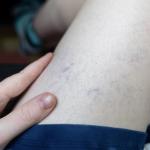
One of the earliest and most recognizable signs is a reddish-brown discoloration on the lower legs, usually near the ankles. This color change happens because blood cells that leak into the tissue break down and leave behind pigment deposits.
Itching and Dryness
Affected skin often becomes persistently itchy and dry, sometimes flaking or developing a scaly texture. This happens because the chronic inflammation disrupts the skin’s normal ability to retain moisture.
Swelling
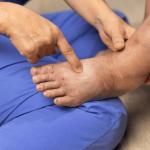
Swelling in the lower legs and ankles is common and often worsens throughout the day. It typically improves somewhat overnight or with leg elevation, which is a helpful clue that the swelling is venous in origin.
Thickened or Hardened Skin
Over time, the affected skin can become noticeably thicker, firmer, and less flexible than surrounding areas. In more advanced cases, this thickening is sometimes referred to as lipodermatosclerosis, a more severe stage of the same underlying process.
Weeping or Oozing Skin
In more active or inflamed stages, the skin can ooze clear fluid, especially after scratching or minor trauma. This weeping skin is more vulnerable to infection and needs careful care to avoid further irritation.
Venous Ulcers
In advanced, untreated cases, the skin can break down entirely and form an open sore known as a venous ulcer, usually near the ankle. These ulcers tend to heal slowly and are prone to infection, making them one of the more serious complications of untreated venous insufficiency.
Who Is Most at Risk?
Venous stasis dermatitis is more common in people who already have varicose veins or a history of chronic venous insufficiency. Risk increases with age, obesity, a history of blood clots, and jobs or habits that involve long periods of standing or sitting.
Women are affected somewhat more often than men, partly due to the added venous pressure from pregnancy. A family history of vein problems can also raise the likelihood of developing these skin changes over time.
How Is Venous Stasis Dermatitis Diagnosed?
Diagnosis typically starts with a physical examination of the affected skin, since the appearance and location of the changes are often distinctive. A vein specialist will usually follow this with a duplex ultrasound, which shows how blood is flowing through the leg veins and confirms whether venous insufficiency is the underlying cause.
This step matters because skin changes that look similar can sometimes stem from other conditions, like eczema or a fungal infection, which require different treatment entirely.
Can Venous Stasis Dermatitis Be Treated or Reversed?
In many cases, yes, especially when it’s caught before it progresses to more advanced stages like ulceration. Managing symptoms with moisturizer and compression helps in the short term, but lasting improvement generally requires treating the underlying vein causing the problem.
Once circulation improves, the skin often has a chance to heal and gradually return to a more normal appearance and texture. The earlier treatment starts, the better the skin tends to respond.
How USA Vein Clinics Treats the Underlying Cause
USA Vein Clinics evaluates venous stasis dermatitis by starting with a duplex ultrasound to pinpoint exactly which veins are contributing to the problem. From there, your provider can recommend treatments like endovenous laser therapy, radiofrequency ablation, or sclerotherapy to close the affected veins and restore more normal blood flow.
As circulation improves, many patients see a gradual reduction in skin discoloration, swelling, and itching over the following weeks and months. Addressing the vein problem directly gives the skin a genuine chance to recover, rather than just managing symptoms indefinitely.
Noticing skin changes on your lower legs? Our specialists can determine whether venous insufficiency is the cause and build a treatment plan around it.
Frequently Asked Questions
What does venous stasis dermatitis look like?
It typically appears as reddish-brown discoloration on the lower legs, often near the ankles, sometimes with dry, scaly, or thickened skin. Swelling is usually present, and the skin may look shiny or feel tight.
Is venous stasis dermatitis the same as varicose veins?
No, but they’re closely related. Varicose veins are the visible, bulging veins themselves, while venous stasis dermatitis is a skin condition that can develop from the same underlying chronic venous insufficiency.
Can venous stasis dermatitis be cured?
It can often be significantly improved by treating the underlying venous insufficiency causing it. Moisturizers and compression help manage symptoms, but addressing the faulty vein is usually needed for lasting improvement.
What happens if venous stasis dermatitis is left untreated?
The skin changes can progress to thickening, hardening, and in advanced cases, open sores called venous ulcers. These ulcers can be slow to heal and prone to infection.
How is venous stasis dermatitis diagnosed?
A vein specialist typically diagnoses it through a skin exam combined with a duplex ultrasound, which shows how blood is flowing through the leg veins and confirms the underlying cause.