
Tight jeans and leggings are wardrobe staples for many people. While they are fashionable and often comfortable, some people wonder whether wearing tight clothing around the legs can affect circulation. If you have ever noticed your legs feeling tight, achy, or swollen after wearing snug clothing for long periods, you may question whether your outfit could be contributing to circulation problems.
For most people, tight clothing does not cause long-term damage to circulation. However, extremely tight garments can sometimes put pressure on blood vessels and temporarily affect how blood flows through the legs. This can be especially noticeable for individuals who already have underlying vein conditions.
Understanding how circulation works—and how clothing may influence it—can help you make better decisions about your leg health.
How Circulation Works in the Legs
Blood circulation in the legs relies on a network of veins that carry blood back to the heart. Because blood must travel upward against gravity, veins contain tiny one-way valves that help keep blood flowing in the correct direction. Each time you walk or move your calf muscles, those muscles help push blood upward through the veins.
When the valves inside the veins become weakened or damaged, blood may begin to flow backward and pool in the legs. This condition is known as chronic venous insufficiency (CVI) or venous reflux. Over time, this can lead to symptoms that gradually become more noticeable throughout the day.
People with vein disease commonly experience symptoms such as:
-
Heavy or tired legs, especially in the evening
-
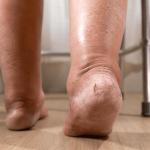
Swelling around the ankles or lower legs
-
Aching or throbbing discomfort after standing or sitting for long periods
-
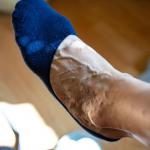
Visible varicose veins or spider veins
These symptoms often worsen when circulation slows down, which is why lifestyle factors can sometimes influence how the legs feel.
Can Tight Jeans or Leggings Restrict Blood Flow?
In most cases, wearing tight clothing does not permanently harm circulation. However, very tight garments around the waist, hips, or thighs can apply pressure to the veins and surrounding tissues. This pressure may slightly slow the return of blood from the legs while the clothing is being worn.
Some people may notice temporary sensations such as mild swelling, tingling, or pressure in the legs after sitting for long periods in restrictive clothing. These effects typically improve once the clothing is loosened and circulation returns to normal.
For individuals with healthy veins, these temporary changes are usually minor. However, people who already have circulation problems may notice that tight clothing makes their symptoms feel more pronounced.
LEARN MORE ABOUT CHRONIC VENOUS INSUFFICIENCY
Why Tight Clothing May Worsen Vein Symptoms
For individuals with vein disease, tight clothing can sometimes increase pressure in the legs and make circulation symptoms more noticeable. When veins are already struggling to move blood efficiently back to the heart, additional pressure around the legs or waist can further slow blood flow.
This may contribute to symptoms such as:
-
Increased leg heaviness or fatigue
-
More noticeable swelling in the ankles or lower legs
-
Aching or throbbing discomfort after prolonged sitting
-
Skin irritation around existing veins
While tight clothing does not cause vein disease, it may amplify symptoms in people who already have venous insufficiency or varicose veins.
Are Leggings Always Bad for Circulation?
Not necessarily. In fact, some types of legwear are specifically designed to support circulation.
Medical-grade compression stockings and compression leggings apply graduated pressure to the legs. This means the garment is slightly tighter near the ankle and gradually loosens toward the thigh. This design helps support the veins and encourages blood to move upward toward the heart.
Unlike regular tight clothing, compression garments are often recommended by doctors to help manage symptoms of vein disease and reduce swelling in the legs
Other Factors That Affect Leg Circulation
While clothing can influence how your legs feel, it is rarely the primary cause of circulation problems. Several other factors have a much greater impact on vein health.
Common contributors to circulation issues include prolonged sitting or standing, limited physical activity, genetics, pregnancy, and aging. Over time, these factors can weaken the valves in the veins and lead to venous reflux.
When blood begins pooling in the legs, symptoms may gradually become more noticeable. Many people first notice that their legs feel heavier or more tired as the day progresses.Signs You May Have a Circulation Problem
Occasional discomfort from tight clothing is usually temporary. However, persistent symptoms may indicate an underlying vein condition.
Signs that circulation problems may be present include:
-
Legs that feel heavy or tired by the end of the day
-
Swelling around the ankles that improves with elevation
-
Aching or throbbing pain in the legs
-
Visible varicose or spider veins
-
Skin irritation or discoloration around the ankles
These symptoms are commonly associated with chronic venous insufficiency and may gradually worsen without treatment.
When to See a Vein Specialist
If leg discomfort occurs only occasionally after wearing tight clothing, it is usually not a cause for concern. However, symptoms that occur regularly—especially swelling, heaviness, or visible veins—may be related to an underlying vein condition.
A vein specialist can evaluate your circulation using a noninvasive ultrasound exam to determine how blood is flowing through the veins. If venous reflux or other vein problems are detected, minimally invasive treatments are available to help restore healthy circulation and relieve symptoms.
If you regularly experience leg discomfort, swelling, or visible veins, scheduling a consultation can help you better understand your vein health and explore potential treatment options.