
Healthy circulation is essential for keeping your legs energized, comfortable, and functioning properly. When blood flows efficiently through the veins, oxygen and nutrients are delivered throughout the body while waste products are carried away. However, prolonged sitting, standing, aging, and vein disease can all impact circulation and contribute to symptoms such as leg fatigue, swelling, heaviness, and discomfort.
Fortunately, regular stretching can help encourage healthy blood flow, improve flexibility, and support overall vein health. While stretching alone cannot cure vein disease, it can be an effective part of a comprehensive plan to promote circulation and reduce everyday leg discomfort.
If you’re looking for simple ways to support your vascular health, these are some of the best stretching exercises for better leg circulation.
Why Circulation Matters in the Legs
The veins in your legs work against gravity to return blood to the heart. To accomplish this, they rely on one-way valves and the assistance of surrounding muscles, particularly the calf muscles. The calf muscle is often referred to as the body’s “second heart” because it helps pump blood upward through the veins during movement.
When people spend long periods sitting or standing, blood can pool in the lower legs. Over time, poor circulation may contribute to symptoms such as swelling, aching, heaviness, and the development of varicose veins.
Regular stretching encourages movement, activates the muscles that support circulation, and can help reduce stiffness that may limit mobility.
LEARN HOW TO IDENTIFY LEG PAIN CAUSES
Calf Stretch
One of the most effective stretches for circulation targets the calf muscles, which play a critical role in helping blood return to the heart.
Stand facing a wall and place both hands against it. Step one foot backward while keeping the heel flat on the floor. Bend the front knee and lean forward gently until you feel a stretch in the back calf.
Hold the position for 20 to 30 seconds before switching legs.
This stretch helps improve flexibility in the calves and encourages activation of the muscle pump system that supports venous circulation.
Seated Ankle Pumps
Ankle pumps are simple but highly effective for promoting blood flow, especially for people who spend long hours sitting.
Sit comfortably in a chair with your feet flat on the floor. Slowly point your toes away from your body and then flex them back toward you. Repeat the movement for one to two minutes.
This gentle motion activates the calf muscles and encourages blood flow through the lower legs. It is particularly beneficial during long workdays, road trips, or flights.
Hamstring Stretch
Tight hamstrings can contribute to stiffness and reduced mobility. Stretching these muscles helps improve lower-body flexibility and encourages movement that supports circulation.
Sit on the edge of a chair and extend one leg straight in front of you with the heel on the floor. Keeping your back straight, lean forward slightly from the hips until you feel a stretch along the back of the thigh.
Hold for 20 to 30 seconds before repeating on the opposite leg.
Regular hamstring stretching may help improve mobility and reduce tension throughout the legs.
Standing Quadriceps Stretch
The quadriceps are the large muscles along the front of the thigh. Maintaining flexibility in these muscles supports comfortable movement and healthy circulation.
Stand beside a wall or sturdy surface for balance. Bend one knee and bring your foot toward your buttocks. Gently hold your ankle and keep your knees close together.
Hold for 20 to 30 seconds before changing sides.
This stretch helps improve flexibility in the thighs while encouraging blood flow throughout the leg muscles.
Seated Leg Extensions
Leg extensions combine stretching with gentle muscle activation to encourage circulation.
While seated, slowly straighten one leg until it is parallel to the floor. Hold briefly before lowering it back down. Repeat 10 to 15 times before switching legs.
This exercise engages the quadriceps and calf muscles while helping prevent blood from pooling in the lower extremities.
Toe Raises and Heel Raises
Circulation benefits from movement, and toe raises and heel raises are excellent for activating the muscles responsible for venous return.
While standing, slowly rise onto your toes and hold for a few seconds. Lower back down and then lift your toes while keeping your heels on the floor.
Repeat the sequence 10 to 15 times.
These movements help strengthen the calf muscles while encouraging healthy blood flow through the veins.
Knee-to-Chest Stretch
This gentle stretch helps improve flexibility throughout the lower body and can be particularly beneficial at the end of the day.
Lie on your back and bring one knee toward your chest while keeping the opposite leg extended. Hold the position for 20 to 30 seconds before switching sides.
This stretch encourages relaxation and may help relieve lower-body tension that develops after prolonged sitting or standing.
Walking Remains One of the Best Circulation Exercises
Although stretching offers several benefits, it’s important to remember that movement remains one of the most effective ways to support circulation.
Walking activates the calf muscle pump repeatedly, encouraging blood to move efficiently through the veins. Even short walks throughout the day can help combat the effects of prolonged sitting and standing.
Many vein specialists recommend combining stretching with regular walking for optimal vascular health.
When Circulation Problems May Signal Vein Disease
Stretching can support healthy blood flow, but it may not fully address underlying vein conditions. If symptoms persist or worsen, a medical evaluation may be appropriate.
Some warning signs of vein disease include:
- Persistent leg swelling
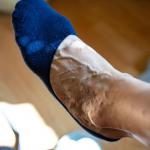
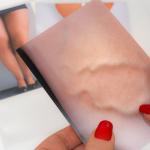
- Varicose veins
- Leg heaviness
- Aching or throbbing pain
- Burning sensations
- Skin discoloration near the ankles
- Itching around visible veins
- Leg fatigue that worsens throughout the day
These symptoms may indicate chronic venous insufficiency or another circulation-related condition that requires professional treatment.
Additional Ways to Improve Leg Circulation
Stretching works best when combined with other vein-healthy habits.
Maintaining a healthy weight can reduce pressure on the veins, while regular exercise helps strengthen the muscles that support circulation. Staying hydrated and avoiding prolonged periods of sitting or standing can also help encourage healthy blood flow.
For individuals with diagnosed vein disease, compression stockings may provide additional support and symptom relief when recommended by a healthcare provider.
The Bottom Line
The best stretching exercises for better leg circulation are those that encourage movement, activate the calf muscles, and improve flexibility throughout the lower body. Simple exercises such as calf stretches, ankle pumps, hamstring stretches, leg extensions, and toe raises can help support healthy blood flow and reduce feelings of leg fatigue and stiffness.
However, if you experience persistent circulation-related symptoms such as swelling, heaviness, varicose veins, or ongoing discomfort, it may be time to seek professional evaluation. Identifying and treating vein disease early can help improve both comfort and long-term vascular health.