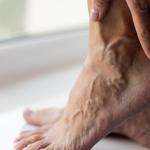

Regular exercise is essential for healthy circulation—but certain workouts can place extra stress on your veins, especially if you already have varicose veins or are at risk of developing them. Many people are surprised to learn that while staying active is one of the best ways to protect long-term vein health, specific movements and gym habits may actually worsen venous pressure in the legs.
Understanding how your gym routine affects your veins can help you stay active safely while reducing discomfort, swelling, and the progression of chronic venous insufficiency (CVI).
How Exercise Impacts Your Veins
When you move your body, especially your legs, the calf muscles help pump blood back toward the heart. This is why walking, cycling, and low-impact exercises often relieve heaviness and swelling. However, exercises that involve heavy strain, high impact, or prolonged pressure can create the opposite effect.
During strenuous workouts, the veins must work harder to circulate blood against gravity. If the vein valves are already weakened or damaged, this added pressure can worsen pooling, discomfort, or visible varicose veins.
Your goal is to encourage movement that supports circulation—without overloading the veins.
Find a Vein Specialist Near You
Exercises That May Worsen Varicose Veins
While exercise is beneficial overall, some gym activities can increase venous pressure or strain the legs. This doesn’t mean you must avoid them completely, but it’s important to understand how they may affect your veins.
1. Heavy Weightlifting
Lifting heavy loads—especially with poor form or breath-holding—dramatically increases abdominal and venous pressure. This pressure can slow blood return and worsen swelling in people predisposed to varicose veins. Leg press machines, squats with high weight, and deadlifts are the most common culprits.
2. High-Impact Cardio
Workouts that involve repeated pounding of the legs, such as running on hard surfaces or plyometric (“jumping”) routines, can strain already weakened veins. For individuals with visible varicose veins or evening swelling, this impact can lead to more discomfort.
3. Prolonged Cycling Sessions
Cycling is excellent for circulation, but long sessions in a fixed hip- and knee-flexed position can reduce venous return. Indoor cycling classes are especially challenging because they often involve intense exertion without full leg extension.
4. Deep Squats or Lunges
These positions can temporarily restrict blood flow and increase pressure in the veins, making symptoms more noticeable for some people.
Exercises That Support Healthy Vein Function
Fortunately, many forms of exercise improve circulation and can actually reduce varicose vein symptoms. The goal is consistent movement that activates the calf muscles without excessive strain.
Some of the best vein-friendly activities include:
-
Walking (one of the easiest and most effective ways to boost calf-pump action)
-
Swimming (a zero-gravity exercise that reduces venous pressure)
-
Elliptical machines (smooth motion without impact)
-
Yoga (improves flexibility and promotes circulation)
-
Light to moderate strength training (with proper breathing techniques)
These activities help move blood efficiently through the legs, reduce swelling, and strengthen the muscles that support healthy veins.
How to Protect Your Veins During Workouts
Even if you enjoy more strenuous workouts, there are effective ways to reduce the strain on your veins. Small adjustments can make a big difference in how your legs feel during and after exercise.
Break up high-intensity workouts
Avoid long blocks of continuous heavy lifting or cardio. Alternating between activities gives your veins time to recover.
Wear compression during workouts
Compression stockings support blood flow and can reduce swelling after exercise, especially for people already experiencing symptoms.
Focus on form and breathing
Exhaling during exertion prevents spikes in abdominal pressure, which can otherwise worsen venous reflux.
Elevate your legs afterward
Just a few minutes with your legs raised above heart level can help counteract venous pooling from intense workouts.
Stay hydrated
Hydration improves circulation and helps prevent leg cramping or fluid retention.
When Exercise Discomfort Becomes a Concern
If you notice that your legs feel heavy, achy, or swollen after working out—or if your varicose veins seem to become more visible over time—your veins may be struggling to keep up with the added pressure.
This doesn’t mean you must stop exercising. Instead, it’s a sign that you may benefit from a professional evaluation. Chronic venous insufficiency is highly treatable, and early intervention can help you return to a comfortable, active lifestyle.
Take Control of Your Vein Health
Your fitness routine should support your health—not make symptoms worse. If you’re noticing discomfort, swelling, visible veins, or heaviness after workouts, it may be time to schedule a consultation.
USA Vein Clinics specializes in diagnosing and treating chronic venous insufficiency using minimally invasive, outpatient procedures that take less than an hour. Our treatments address the underlying cause of varicose veins, restoring proper blood flow and reducing symptoms that affect your workouts and daily comfort.
With personalized treatment plans and comprehensive care, you can continue enjoying your gym routine without worrying about worsening symptoms.