
Leg discomfort is one of those symptoms that people often try to ignore or attribute to everyday activities. Maybe you assumed it was from a long day of work, standing too much, or just getting older. However, leg discomfort from veins is a real condition that affects many people—and it may be worth investigating if your symptoms are persistent.
This guide covers the basics of vein-related leg discomfort, common symptoms, and what you might want to know if you’re experiencing these issues.
How Your Leg Veins Work
Your leg veins have an important job: returning blood from your legs back to your heart. Blood travels downward through arteries into your legs, and then your leg muscles contract to help push blood back upward through veins. One-way valves in your veins prevent blood from flowing backward, since gravity is constantly working against this upward flow.
When veins become weakened or valves stop working properly, blood doesn’t move as efficiently. This is called venous insufficiency, and it’s more common than many people realize. It can affect people of any age and isn’t necessarily tied to fitness level or lifestyle. The condition develops gradually, and many people don’t realize their leg discomfort might be connected to how well their veins are functioning.
Common Symptoms of Leg Discomfort From Veins
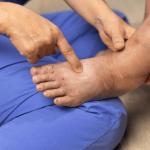
Many people with vein problems describe a heaviness or fatigue in their legs, particularly as the day goes on. This sensation is different from typical muscle fatigue and often worsens after prolonged standing or sitting. Some people notice that their shoes fit more snugly in the afternoon, or they see indentations on their legs from their socks—these are signs of swelling that’s common with vein issues.
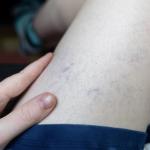
The discomfort itself often feels like a dull, persistent ache rather than sharp pain. This aching can be accompanied by throbbing sensations, especially in the evenings. Many people also notice visible changes in their legs, such as enlarged, twisted veins (varicose veins) or smaller web-like veins (spider veins) appearing on the surface. Additional symptoms may include:
- Itching, burning, or tingling around affected veins
- Restlessness or cramping at night, particularly in the legs
- Skin changes like discoloration or texture changes in the lower legs
These symptoms often improve temporarily with leg elevation or movement but return during normal daily activities.
MEET LEARN MORE ABOUT LEG PAIN
What Causes Vein Problems?
Vein problems don’t develop randomly—several factors can make someone more susceptible to venous insufficiency. Family history plays a significant role, as vein problems tend to run in families. If your parents or relatives experienced varicose veins or similar issues, you may be at higher risk due to genetic factors affecting how your veins develop.
Your daily activities matter more than you might think. People who spend prolonged periods sitting or standing—such as office workers or retail employees—often experience vein problems because remaining in one position makes it harder for veins to move blood effectively. Movement and muscle contractions are essential for pushing blood upward against gravity.
Life events can also impact vein health. Pregnancy causes significant changes in blood volume and hormonal shifts that can weaken veins. Women who take hormonal birth control or undergo hormone replacement therapy may notice changes in their leg symptoms. As we age, our veins naturally lose elasticity, and the valves that regulate blood flow can weaken, making vein problems more common in older adults.
Other contributing factors include excess weight, which adds pressure to leg veins and makes them work harder; previous leg injuries or blood clots, which can cause permanent valve damage; and limited physical activity, since leg muscles help pump blood upward when they contract during movement.
Is Your Discomfort Actually From Your Veins?
Leg discomfort can have different causes, so it’s useful to know what distinguishes vein-related pain from other types:
| Type of Pain | Characteristics |
|---|---|
| Vein-related | Develops gradually, diffuse across leg, improves with elevation, worsens with prolonged standing/sitting |
| Muscle pain | Localized to specific muscle, relates to activity, improves with rest and stretching |
| Nerve pain | Sharp, shooting sensation, follows a specific path, may include numbness or tingling |
| Joint pain | Worsens with specific movements, improves when joint is rested |
A healthcare provider can help determine the actual source through examination and imaging.
When to Learn More About Vein Problems
If you’ve experienced leg discomfort for more than a couple of weeks, it may be worth learning more about what’s causing it. Persistent leg pain, heaviness, or swelling lasting longer than two weeks suggests something worth investigating, especially if it’s not improving with basic home measures like elevation or rest.
The presence of visible varicose veins that cause discomfort is another sign that learning more could be helpful. Similarly, noticeable swelling that doesn’t improve with elevation, or skin changes and discoloration in your lower legs, warrant further exploration. Perhaps most importantly, if leg discomfort is affecting your daily activities or quality of life—limiting how long you can walk, stand, or exercise—it’s worth seeking information about potential causes and what options might help.
Important: Seek immediate medical attention if you experience sudden, severe swelling in one leg combined with warmth, redness, or calf pain, as this could indicate a more serious condition requiring urgent care.
What a Vein Evaluation Typically Includes
If you decide to get your leg discomfort evaluated, the process is generally straightforward and non-invasive. It begins with a medical history review where you’ll discuss your symptoms, when they started, how they affect your daily life, and whether anyone in your family has experienced similar problems. This conversation helps healthcare providers understand the full context of your situation.
A physical examination comes next. A healthcare provider will visually inspect your legs for swelling, skin changes, and visible veins. They may perform simple physical tests to assess how your veins are functioning and check for any obvious signs of venous insufficiency.
Most evaluations include a duplex ultrasound, which is a non-invasive imaging test that shows how blood is flowing through your veins and identifies any valve problems or weakened areas. The ultrasound is painless and typically takes 20-30 minutes. It provides clear information about vein function and helps determine whether any issues are present and, if so, how significant they are.
After testing is complete, a healthcare provider will discuss their findings and explain any issues identified, answering your questions about what the results mean.
Overview of Vein Treatment Options
Several treatment approaches exist for vein problems, and the right choice depends on the specific situation. Conservative management is often the starting point, involving compression therapy (specialized stockings that help veins move blood more efficiently), regular leg elevation, consistent movement and exercise, and weight management. Many people find these approaches helpful for managing symptoms.
For cases where conservative approaches aren’t sufficient, minimally invasive procedures offer other options:
- Endovenous ablation – Heat-based sealing of damaged veins
- Sclerotherapy – Injection therapy for smaller veins
- Radiofrequency ablation – Ultrasound technology technique for closing veins
The specific treatment recommendations depend on the findings from diagnostic imaging, the severity of symptoms, and individual circumstances. A healthcare provider would discuss which approach might be most suitable after reviewing your evaluation results.