
Somewhere between your grandmother’s dinner table advice and a decades-old supplement marketing campaign, crossing your legs became one of the most repeated warnings in vein health. It sounds plausible enough: you fold one leg over the other, the position looks like it’s pinching something, and it’s easy to picture blood getting stuck. The good news is that the science doesn’t support the myth. The part that matters just as much: if you already have vein disease, the position isn’t entirely harmless either, just not for the reason most people assume.
Where This Myth Actually Came From
The leg-crossing warning has been around for generations, but it gained real momentum in 1999 when a dietary supplement company launched a marketing campaign called the “Great American Cross-Out,” urging women to stop crossing their legs to avoid varicose veins. The campaign stuck, and the idea has been repeated so often since that many people accept it as settled fact rather than a marketing claim.
The logic feels intuitive because crossing your legs does create visible, localized pressure. It’s easy to assume that pressure translates directly into vein damage. But visible pressure and vein damage aren’t the same thing, and decades of vascular research point to a very different set of causes.
What Actually Causes Varicose Veins
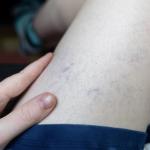
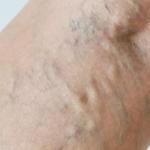
Varicose veins develop when the one-way valves inside your veins weaken or stop closing properly. Normally, these valves keep blood moving upward toward your heart. When they fail, blood flows backward and pools, and the resulting pressure stretches and bulges the vein wall. This is a structural, valve-level problem, not something caused by brief external pressure from a seated position.
The strongest predictor of varicose veins by far is family history. If a parent or grandparent had them, your risk increases significantly regardless of your habits. Hormones play a major role as well, which is part of why varicose veins are more common in women and why pregnancy, with its surge in blood volume and vein-relaxing hormones, often triggers new veins or worsens existing ones. Prolonged standing or sitting without movement, advancing age, and carrying extra weight all add ongoing pressure to leg veins over months and years. Crossing your legs for a few minutes at your desk simply doesn’t apply that kind of sustained structural stress.
So Is Crossing Your Legs Completely Harmless?
Not entirely, though the nuance matters here. If you don’t have varicose veins or significant risk factors, occasionally crossing your legs is not going to cause them. The pressure involved is minor and temporary, and your veins are built to handle brief compression without lasting damage.
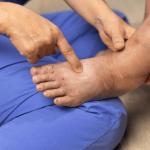
If you already have varicose veins or chronic venous insufficiency, the story shifts slightly. Crossing your legs can put additional, localized pressure on veins that are already struggling to move blood efficiently. For someone with existing vein disease, this may translate into more noticeable swelling, heaviness, or aching in the leg that’s on the bottom of the cross. It’s not creating new damage, but it can make an existing problem feel more pronounced in the moment. There’s also a separate consideration for anyone sitting cross-legged for extended, unbroken stretches, such as on a long flight, since prolonged immobility of any kind, crossed legs or not, is a known contributor to blood clot risk.
Habits That Actually Support Healthy Veins
If crossing your legs isn’t the real issue, it’s worth redirecting that attention toward habits that genuinely make a difference. Moving regularly throughout the day, even brief walks or ankle circles during long periods of sitting, keeps the calf muscles engaged in their role as a natural pump for returning blood to the heart. Elevating your legs above heart level for short periods reduces pooling and takes pressure off veins that are already working hard.
Maintaining a healthy weight reduces the ongoing load on leg veins, and graduated compression stockings can meaningfully support circulation for people who are on their feet for long stretches or who already show early signs of vein disease. None of these habits will override genetics, but they do influence how quickly symptoms progress and how comfortable your legs feel day to day.
When It’s Time to See a Vein Specialist
Occasional leg crossing is a habit, not a diagnosis. But if you’re noticing bulging or rope-like veins, persistent swelling, aching that worsens by the end of the day, restless legs at night, or skin changes around your ankles, those symptoms deserve an actual evaluation regardless of how often you cross your legs. A vein specialist can use a painless ultrasound to assess whether your vein valves are functioning properly and how far any underlying insufficiency has progressed.
If venous insufficiency is confirmed, several minimally invasive treatments can address the underlying valve problem directly:
- Endovenous laser ablation: Heat from a laser fiber seals off a diseased vein in a minimally invasive, outpatient procedure.
- Radiofrequency ablation: Radiofrequency energy heats and closes the damaged vein from the inside, rerouting blood flow to healthier veins nearby.
- Sclerotherapy: A solution is injected into smaller varicose or spider veins to close them, often used for veins that are more cosmetic in nature.
- VenaSeal: A medical adhesive seals the problem vein shut without the need for heat or extended compression afterward.
Most of these procedures take under an hour, require little to no downtime, and are typically covered by insurance once medical necessity is documented.
Crossing your legs doesn’t cause varicose veins, and it’s not the reason your legs feel the way they do at the end of a long day. Genetics, hormones, prolonged immobility, age, and weight are the real drivers behind vein disease, and none of them have anything to do with how you sit at your desk. If you already have vein disease, crossing your legs might make symptoms a little more noticeable in the moment, but retiring an old habit won’t fix the underlying issue on its own. If your legs are aching, swelling, or showing visible veins, that’s worth a real evaluation rather than a change in sitting posture.
Frequently Asked Questions
Does crossing your legs cause varicose veins?
No. Varicose veins are caused by weakened vein valves, and the leading risk factors are genetics, hormones, pregnancy, prolonged standing or sitting, age, and weight. Crossing your legs does not create enough sustained pressure to damage vein valves.
Can crossing your legs make existing varicose veins worse?
It can temporarily add pressure to veins that are already struggling to move blood efficiently, which may make swelling or heaviness feel more noticeable. It doesn’t create new vein damage, but it can make existing symptoms more pronounced in the moment.
Is it bad to sit with your legs crossed for a long time?
Sitting in any single position for extended, unbroken periods, crossed legs or not, can contribute to circulation issues and, in prolonged cases like long flights, blood clot risk. Taking regular movement breaks matters more than the specific position of your legs.
What actually causes varicose veins if not crossing your legs?
The primary cause is family history, followed by hormonal factors like pregnancy, prolonged standing or sitting without movement, advancing age, and carrying extra weight. These factors place ongoing structural stress on vein valves over time.