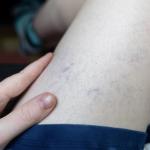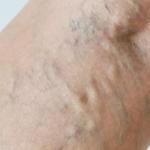
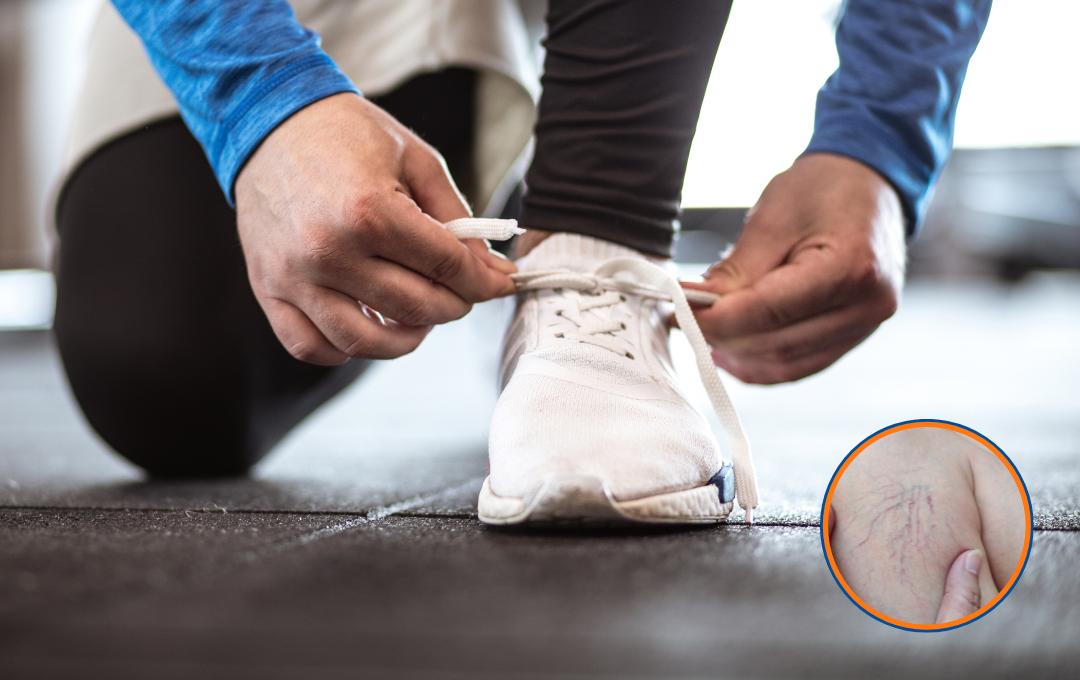
If you’ve noticed spider veins on your legs, you may wonder whether exercise makes them better or worse. Since physical activity affects blood flow and pressure in the veins, it’s a fair and common question: does working out help or hurt spider veins?
The answer depends on the type of exercise, how your body responds, and whether underlying vein issues are present.
How Exercise Affects Vein Health
Exercise plays an important role in circulation. Muscle movement, especially in the legs, helps push blood upward toward the heart. This pumping action can reduce pressure in the veins and support overall vascular health.
However, not all workouts affect veins in the same way.
GET ANSWERS TO YOUR VEIN QUESTIONS
Ways Working Out Can Help Spider Veins
Improved Circulation
Low-impact exercises encourage steady blood flow, which can reduce pooling in the veins. Better circulation may help slow the progression of spider veins and ease symptoms like heaviness or fatigue.
Stronger Leg Muscles
Activities that engage the calves and thighs help support the veins by improving muscle tone. Stronger muscles assist vein function and reduce strain on vein walls.
Reduced Pressure From Prolonged Sitting
Regular movement counters the effects of long periods of sitting or standing, both of which can contribute to vein issues over time.
When Exercise May Make Spider Veins More Noticeable
High-Impact or Heavy Weightlifting
Exercises that involve heavy straining or holding breath can temporarily increase pressure inside the veins. This added pressure may make spider veins appear more prominent, especially if vein valves are already weakened.
Prolonged Standing Workouts
Certain workouts that involve long periods of standing without movement may not provide the same circulatory benefits as dynamic exercises.
Existing Vein Conditions
If spider veins are linked to underlying vein problems, exercise alone may not prevent new veins from forming. In some cases, symptoms may persist regardless of activity level.
Finding the Right Balance
For most people, exercise does more good than harm when it comes to vein health. Activities often considered vein-friendly include:
-
Walking
-
Swimming
-
Cycling
-
Light strength training with proper breathing
Listening to your body and varying your workouts can help reduce unnecessary strain while still supporting circulation.
When Exercise Isn’t the Whole Answer
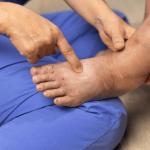
If spider veins continue to spread, become uncomfortable, or are accompanied by swelling, aching, or leg fatigue, exercise may not be enough on its own. These symptoms can point to deeper vein issues that aren’t resolved through lifestyle changes alone.
Be Aware of Your Legs
Understanding how workouts affect spider veins helps you make informed choices without avoiding physical activity altogether. Exercise is rarely the cause of spider veins, but it can influence how noticeable they become.
Recognizing when exercise helps and when symptoms persist can guide next steps in protecting your vein health. Your legs often give early signals when circulation isn’t working efficiently. Whether you’re active or sedentary, noticing changes in vein appearance, comfort, or swelling can help you decide when to seek further evaluation.