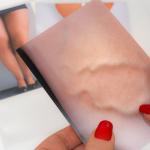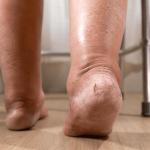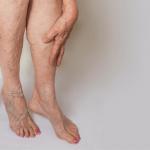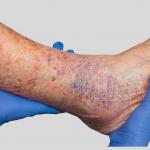

Chronic venous insufficiency (CVI) affects millions of people, but it often begins with symptoms so subtle that many assume they’re unrelated to vein disease. While the most recognized signs include bulging varicose veins and leg swelling, CVI can start quietly, progressing slowly until more noticeable complications appear. Understanding the early indicators—especially the ones most people overlook—can make a significant difference in preventing long-term discomfort and protecting your vein health.
Find a Vein Disease Clinic Near You
Why These Early Signs Matter
Although these symptoms may seem minor, they signal changes in vein function that can worsen over time. Untreated chronic venous insufficiency can lead to painful varicose veins, persistent swelling, significant skin changes, and even open wounds known as venous ulcers. Early identification allows patients to explore treatment options that are minimally invasive and highly effective—helping prevent complications before they begin.
See some hidden signs of chronic venous insufficiency you should look out for:
1. Persistent Itching Around the Lower Legs
One of the earliest and most commonly overlooked signs of CVI is itching—especially around the ankles or lower calves. Most people assume itchy skin simply means dryness or irritation from clothing, but when the itch is persistent and doesn’t respond to moisturizers, circulation may be the real issue.
When blood pools in the legs, inflammation builds beneath the skin. This irritation often leads to redness, a shiny appearance, or even a rash-like texture. Left untreated, this can progress to a condition known as stasis dermatitis, which is strongly associated with moderate to advanced CVI.
2. Heavy or Fatigued Legs by the End of the Day
Another subtle sign involves a feeling of heaviness, tightness, or unusual fatigue in the legs—particularly after long periods of sitting or standing. Many dismiss this as being “just tired,” but in reality, this sensation can be an early indicator of venous valves struggling to circulate blood upward.
What makes this symptom especially telling is that it often improves when the legs are elevated. If resting with your legs raised provides noticeable relief, circulation could be playing a larger role than you think.
3. Nighttime Leg Cramps That Don’t Have a Clear Cause
Nighttime cramps are extremely common, but when they occur regularly—especially in the calves—they may be connected to venous insufficiency rather than dehydration or muscle strain.
When the veins cannot efficiently return blood, the surrounding muscles may not receive enough oxygen, leading to spasms or painful tightening. These cramps often appear in the middle of the night and may be accompanied by aching or tingling that fades once you get up and move.
4. Subtle Skin Discoloration or Texture Changes
Early changes to the skin can be easy to miss, but they are often strong indicators of chronic venous insufficiency. You may notice darker coloring around the ankles, a reddish tint that lingers, or a brownish “staining” over time. Some people also experience skin that feels firmer or more fragile than usual.
These changes occur because increased venous pressure causes tiny blood vessels near the skin’s surface to break down. As CVI progresses, these areas can become more pronounced and, in advanced stages, may even lead to venous ulcers. Catching discoloration early allows for proper evaluation before the skin becomes damaged or vulnerable.
5. Restless Legs—Especially in the Evenings
Restless legs syndrome (RLS) is often associated with neurological conditions, but many people don’t realize that venous insufficiency can trigger similar symptoms. When blood collects in the lower legs, the resulting discomfort can create an irresistible urge to move or shake the legs at night. Unlike other causes of RLS, vein-related restlessness typically improves with walking, stretching, or elevating the legs—another sign that circulation is involved.
6. Tight, Dry, or Shiny Skin on the Lower Legs
Long-standing venous pressure affects more than circulation—it also impacts skin hydration. People with early CVI may experience skin that looks unusually tight, shiny, or flaky. They often assume it’s age-related dryness or seasonal irritation, but when these changes are concentrated around the lower legs and ankles, venous insufficiency may be the underlying cause.
This symptom tends to worsen over time, as reduced blood flow limits the skin’s ability to repair and protect itself.
7. Mild Leg Swelling That Comes and Goes
Swelling is one of the hallmark signs of CVI, but it doesn’t always start dramatically. Many people experience mild puffiness toward the end of the day or notice deeper sock impressions than usual. Because the swelling typically improves overnight, it’s easy to brush off as normal water retention. However, recurring swelling—especially when paired with heaviness or skin changes—is a strong reason to consider a vein evaluation.
8. Tingling or Burning Sensations in the Lower Legs
Tingling, burning, or “pins and needles” sensations are often blamed on nerve issues, but poor venous circulation can create similar feelings. When blood pools and pressure increases within the veins, it can irritate nearby nerves, leading to intermittent discomfort. These sensations often become more noticeable after long periods of inactivity or at the end of the day.
When to Schedule a Consultation
If you notice any combination of persistent itching, heaviness, swelling, skin discoloration, nighttime cramps, or a “restless” feeling in your legs, a professional vein evaluation can provide clarity and relief. Even mild symptoms, like the ones above, can be early warning signs that your veins aren’t functioning as they should.
USA Vein Clinics specializes in diagnosing and treating chronic venous insufficiency using state-of-the-art, minimally invasive procedures performed in comfortable outpatient settings. Our experienced vein specialists use ultrasound technology to identify the source of symptoms and create personalized treatment plans tailored to each patient’s needs.
Most treatments take less than an hour, require no hospital stay, and allow patients to return to normal activities the same day.