Aging affects every system in the body, and the circulatory system is no exception. Over time, blood vessels in the legs experience structural and functional changes that can influence how easily blood flows to and from the lower extremities. Some of these changes are a normal part of aging, while others may signal underlying vascular conditions that deserve attention.
Understanding how circulation evolves with age can help people recognize early signs of strain, make informed lifestyle choices, and know when it may be time to talk with a healthcare provider about leg symptoms.
Age-Related Changes in Blood Vessels
Blood vessels are dynamic structures. With age, the inner lining of arteries and veins may accumulate wear from years of pressure, inflammation, and exposure to factors like elevated cholesterol or high blood pressure. Arterial walls can become less elastic and more rigid, making it harder for them to expand and contract with each heartbeat.
Common age-related changes in circulation may include:
-
Stiffer arteries, which can increase blood pressure and reduce the ability to adapt to physical activity
-
Weakened vein valves, which may allow blood to pool in the lower legs instead of flowing easily back to the heart
-
Slower microcirculation, affecting how quickly oxygen and nutrients reach tissues and how efficiently waste products are removed
These shifts don’t automatically indicate disease, but they can make the legs more susceptible to fatigue, heaviness, or swelling, especially when combined with other risk factors.
The Role of Muscle Mass and Activity
Muscles play a major supporting role in circulation. When the calf and thigh muscles contract, they act like a pump that squeezes veins and pushes blood upward. Aging is often associated with a gradual decline in muscle mass and strength, a process known as sarcopenia. If regular movement and strength-building exercises are reduced over time, the muscle pump in the legs may not work as effectively.
This can contribute to feelings of heaviness, reduced stamina when walking, and slower recovery after standing or sitting for long periods. In some individuals, less muscle support can also make it easier for blood to pool in the lower legs, increasing the likelihood of swelling or visible vein changes.
Venous Changes: Why Swelling and Varicose Veins Become More Common
Veins in the legs contain one-way valves that help keep blood moving toward the heart. Over the years, these valves can become weaker or fail to close completely. When that happens, some blood may leak backward and accumulate in the lower portions of the vein, a condition known as chronic venous insufficiency.
This process helps explain why swelling, visible varicose veins, or sensations of heaviness often appear or worsen with age. People may notice:
-
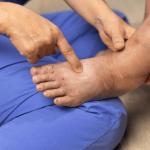
Swelling around the ankles that is more pronounced at the end of the day
-
Aching, throbbing, or a feeling of fullness in the calves after long periods of sitting or standing
-
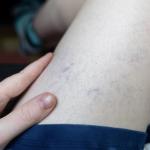
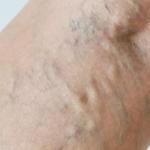
Prominent, twisted veins that seem to enlarge over time
While these symptoms are common, they are not an inevitable or “just cosmetic” part of aging. They often reflect changes in how effectively blood is returning from the legs to the heart.
Arterial Changes: Blood Flow to the Legs
Arteries can also change as people get older. Plaque build-up in the arterial walls can narrow the space available for blood to flow. When this occurs in the arteries that supply the legs, it can lead to a condition known as peripheral artery disease (PAD).
People with age-related arterial narrowing may notice that their legs:
-
Cramp, feel tight, or become painful with walking or climbing stairs
-
Recover slowly after activity, with discomfort easing when they rest
-
Feel colder than the rest of the body, especially in the feet or toes
These symptoms can gradually limit walking distance and impact confidence in staying active, which may further affect circulation and overall health if left unaddressed.
Lifestyle Factors That Interact With Aging
Aging alone does not determine circulation health. Lifestyle choices over many years can speed up or slow down vascular changes. Long-term smoking, elevated blood pressure, high cholesterol, diabetes, and lack of physical activity can all place additional stress on the blood vessels in the legs.
On the other hand, consistent movement, balanced nutrition, and regular health checkups can help support blood vessels as they age. Helpful patterns often include:
-
Daily walking or low-impact exercise to keep leg muscles engaged
-
Periodic breaks from prolonged sitting or standing to reduce pooling in the lower legs
-
Elevating the legs when resting to support venous return
-
Maintaining a balanced diet that supports healthy blood pressure and cholesterol levels
These habits do not stop aging, but they can improve how well the circulatory system adapts to it.
When Age-Related Changes Deserve Attention
It is easy to attribute leg symptoms to “just getting older,” but some changes are worth mentioning to a healthcare provider. Increasing swelling, persistent heaviness, new varicose veins, or discomfort that appears with walking and improves with rest may signal that circulation is under strain.
Bringing up these symptoms in a medical visit can help distinguish between expected age-related changes and conditions that may benefit from further evaluation. Early recognition of circulation issues can support better comfort, mobility, and quality of life as the years go by.