
Millions of people spend most of their day sitting at a desk, often without realizing how significantly prolonged sitting can affect their vein health. While desk jobs are common and often unavoidable, they can quietly contribute to symptoms such as leg swelling, heaviness, varicose veins, and chronic venous insufficiency (CVI). The good news is that there are practical steps you can take to keep your legs healthy—even if your workday keeps you seated for hours at a time.
Why Sitting for Long Periods Affects Circulation
Your veins rely on movement to help push blood from the legs back to the heart. The calf muscles, often called the “second heart,” squeeze the veins each time you walk or flex your feet. When you sit for extended periods with minimal movement, this pumping action slows down. As a result, blood can pool in the lower legs, increasing venous pressure and reducing overall circulation.
This stagnation is precisely why people who sit for long stretches may notice their legs feel heavy, tight, or swollen by the end of the day. Over time, these changes can place strain on the vein valves and contribute to chronic venous insufficiency.
Common Vein Symptoms Among Desk Workers
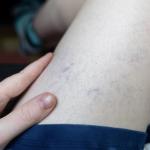
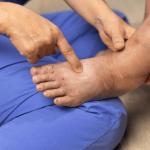
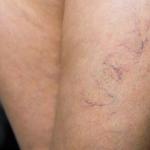
While you may not notice dramatic changes right away, early symptoms of impaired circulation often begin subtly. Many desk workers report mild swelling around the ankles, tingling sensations, or a dull ache in the calves. Others may begin to see small clusters of spider veins or notice veins becoming more visible than usual.
As venous pressure builds, symptoms may progress to:
-
Heaviness or fatigue in the legs
-
Nighttime leg cramps
-
Increased spider or varicose veins
These signs can vary from person to person, but together they often point to reduced circulation brought on by prolonged sitting.
The Link Between Desk Jobs and Chronic Venous Insufficiency
Chronic venous insufficiency (CVI) occurs when vein valves weaken, allowing blood to flow backward and pool in the legs. Although genetics, age, and other health factors play a role, lifestyle is a major contributor. A sedentary work environment increases the risk of CVI because the veins must work harder to circulate blood without the assistance of regular calf activation.
Over time, this constant pressure can lead to inflammation, varicose veins, and skin changes that progress if left untreated. Understanding this connection can help you recognize symptoms early and take preventive action.
Find a Leg Vein Clinic Near You
How to Protect Your Vein Health at a Desk Job
Even if you can’t avoid sitting for long hours, you can take proactive steps to support healthy circulation. Small changes to your daily routine can greatly reduce venous pressure and protect long-term vein health.
1. Take Movement Breaks Throughout the Day
Aim to stand or walk for at least a few minutes every hour. Short, frequent breaks help reactivate the calf muscles and reset the flow of blood through the legs. Even light movement—like walking to refill your water bottle or stretching at your desk—can make a difference.
2. Change Your Sitting Position Regularly
Crossing your legs or sitting in the same position for too long can restrict blood flow. Keep your feet flat on the floor, avoid deep knee bends, and try shifting your posture every 20–30 minutes.
3. Elevate Your Legs When Possible
If you work from home or have flexibility in your setup, use a footrest or elevate your legs periodically. Elevation helps counteract the effects of gravity and reduces pressure in the lower legs.
4. Wear Compression Stockings
Graduated compression stockings can help prevent swelling and support circulation throughout the day. They’re especially helpful for people with a history of varicose veins or early CVI symptoms.
5. Incorporate Desk-Friendly Exercises
Simple movements such as ankle circles, heel lifts, and toe taps can improve circulation without leaving your chair. These exercises engage the calf muscles and prevent blood from pooling.
6. Stay Hydrated
Proper hydration supports healthy circulation and prevents fluid retention, which may worsen swelling in the lower legs.
When to Be Concerned About Vein Symptoms
It’s normal to feel occasional stiffness after a long workday, but persistent swelling, heaviness, or aching can be early signs of chronic venous insufficiency. Likewise, spider veins or varicose veins that become more pronounced over time should not be ignored.
Early evaluation is key: the sooner vein issues are identified, the easier they are to treat.
Take Control of Your Vein Health
USA Vein Clinics specializes in the diagnosis and treatment of chronic venous insufficiency using minimally invasive, outpatient procedures. Our specialists use ultrasound imaging to evaluate circulation and pinpoint areas where valves are weakened.
Treatments, such as endovenous laser therapy or ultrasound-guided techniques, typically take less than an hour and require no downtime. Many patients experience rapid relief from swelling, heaviness, and discomfort after restoring proper blood flow.
You don’t have to choose between your career and your health. With the right habits and expert care, it’s possible to protect your circulation—even with a full-time desk job.