Flexibility is often associated with comfort, posture, and injury prevention, but it also plays an important role in circulation. As muscles, tendons, and connective tissues lose flexibility, they can influence how easily blood moves through the legs and back toward the heart. Over time, reduced flexibility may contribute to subtle circulation changes that many people don’t immediately connect to stiffness or limited range of motion.
Understanding how flexibility and blood flow are connected can help explain why leg discomfort, heaviness, or fatigue sometimes appear even without obvious vascular disease.
The Relationship Between Movement and Circulation
Blood flow in the legs depends on more than the heart alone. Muscles—especially in the calves, thighs, and hips—act as active partners in circulation. When muscles lengthen and contract through regular movement, they help compress nearby veins and encourage blood to move upward against gravity.
When flexibility is reduced, movement patterns often become smaller and more restricted. Joints may not move through their full range, and muscles may remain partially shortened throughout the day. This can limit how effectively muscles assist with circulation, allowing blood to move more slowly or pool in the lower extremities.
How Reduced Flexibility Develops Over Time
Flexibility tends to decrease gradually with age, inactivity, and repetitive daily postures. Long hours of sitting, limited stretching, and reduced physical activity can cause muscles and connective tissues to stiffen. Tight hip flexors, hamstrings, and calves are especially common and directly affect circulation pathways in the legs.
Factors that commonly contribute to reduced flexibility include:
-
Prolonged sitting or sedentary routines
-
Limited joint movement during daily activities
-
Aging-related changes in muscle and connective tissue
-
Previous injuries that alter movement patterns
As these changes accumulate, circulation may become less responsive to everyday demands like standing, walking, or climbing stairs.
Tight Muscles and Restricted Blood Flow
When muscles remain tight, they can place pressure on nearby blood vessels or reduce the rhythmic pumping action needed for efficient venous return. Tight calves, for example, may not fully contract and relax during walking, reducing their ability to push blood back toward the heart.
This can contribute to sensations such as heaviness, tightness, or fatigue in the legs—especially after long periods of sitting or standing. While reduced flexibility does not directly cause vein disease, it can amplify circulation challenges that are already present.
GET A CONSULTATION WITH A CIRCULATION SPECIALIST
Flexibility, Posture, and Blood Flow Patterns
Flexibility and posture are closely linked. Restricted movement in the hips or lower back can affect how someone sits or stands, potentially compressing blood vessels behind the knees or in the pelvis. Sitting with bent knees for long periods, crossing the legs frequently, or maintaining a forward-leaning posture can all interfere with smooth blood flow.
Over time, these patterns may lead to symptoms that improve temporarily with movement or stretching but return once stiffness sets in again.
Signs Reduced Flexibility May Be Affecting Circulation
Reduced flexibility often presents subtly, making it easy to overlook as a circulation factor. Some signs that stiffness may be influencing blood flow include:
-
Legs that feel heavy or tight rather than sore
-
Discomfort that improves with gentle movement or stretching
-
Stiffness combined with mild swelling later in the day
-
A sense that the legs “loosen up” after walking
These patterns suggest that movement is helping circulation compensate for stiffness.
Supporting Blood Flow Through Flexibility
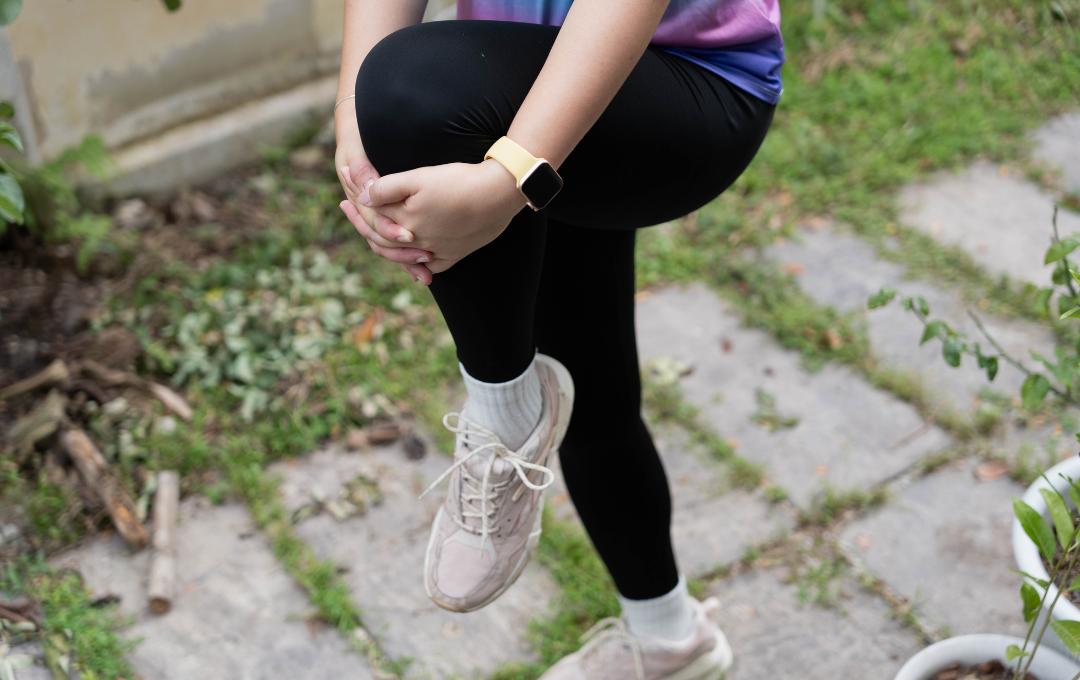
Maintaining flexibility supports circulation by allowing muscles and joints to move freely and assist blood flow. Gentle stretching, regular walking, and movement breaks throughout the day can help counteract stiffness from prolonged sitting or standing.
Flexibility routines don’t need to be intense to be effective. Even short periods of stretching the calves, hamstrings, and hips can encourage better circulation by restoring range of motion and muscle engagement. While flexibility alone won’t correct underlying vascular conditions, it can reduce strain on the circulatory system and improve comfort.
When Reduced Flexibility and Circulation Symptoms Overlap
Because stiffness is common, circulation-related symptoms are sometimes attributed solely to flexibility issues. However, when leg heaviness, swelling, or fatigue persists despite regular movement or stretching, it may indicate that circulation deserves closer attention. Reduced flexibility can mask or amplify early circulation problems, making it harder to identify the root cause without evaluation.
Paying attention to patterns—such as symptoms that worsen throughout the day or consistently improve with elevation—can help distinguish between musculoskeletal stiffness and circulation concerns.
When to Seek Medical Help
Occasional stiffness and tightness are normal. Persistent leg discomfort, swelling, or fatigue that does not improve with movement or flexibility work may benefit from medical evaluation. Discussing both flexibility limitations and circulation symptoms with a healthcare provider can help clarify whether blood flow, muscle function, or both are contributing factors.
Recognizing the connection between flexibility and circulation offers another lens for understanding leg health and addressing discomfort early.