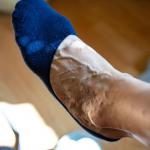

Many people expect some physical changes with age, including occasional aches or stiffness. When leg discomfort becomes more noticeable over time, it’s easy to assume it’s simply part of getting older. While aging does influence muscles, joints, and circulation, persistent or worsening leg discomfort isn’t always something to ignore or accept as inevitable.
Understanding which changes are common with aging—and which may signal an underlying issue—can help people better interpret their symptoms and decide when further evaluation may be helpful.
GET ANSWERS TO YOUR LEG VEIN QUESTIONS
How Aging Can Affect the Legs
As the body ages, several systems that support leg comfort and mobility gradually change. Muscle mass and strength tend to decline, connective tissues lose elasticity, and joints may become stiffer. These changes can affect balance, endurance, and how the legs feel during daily activities.
Circulation can also change over time. Blood vessels may become less elastic, vein valves may weaken, and the muscle pump that helps move blood upward from the legs may become less efficient if activity levels decrease. Together, these shifts can contribute to sensations such as fatigue, mild stiffness, or slower recovery after standing or walking.
What May Be Considered “Normal” With Age
Some leg sensations are relatively common as people get older, especially after long periods of inactivity or exertion. These experiences often improve with rest or movement and do not steadily worsen.
Age-related leg changes that may be considered typical include:
-
Mild stiffness after sitting or waking up that eases with movement
-
Occasional muscle soreness after increased activity
-
Temporary fatigue after a long day on your feet
-
Slower recovery time following physical exertion
These sensations are usually predictable, short-lived, and responsive to rest or gentle activity.
When Leg Discomfort May Be More Than Aging
Leg discomfort that becomes frequent, persistent, or progressively worse may not be explained by aging alone. Certain patterns suggest that circulation, nerve function, or joint health could be contributing factors.
Signs that leg discomfort may deserve closer attention include:
-
Heaviness, aching, or fatigue that worsens as the day goes on
-
Swelling around the ankles or lower legs that appears regularly
-
Pain or cramping during walking that improves with rest
-
Discomfort that improves when the legs are elevated
-
Changes in skin color, temperature, or texture
These symptoms can indicate that blood flow or venous return is under strain rather than simply reflecting age-related muscle changes.
Circulation Changes and Aging
Circulatory changes are one reason leg discomfort becomes more common later in life. With age, arteries may stiffen or narrow, reducing blood flow during activity. Veins may also become less effective at moving blood back to the heart, allowing pooling in the lower legs. These changes can create sensations of heaviness, pressure, or fatigue that are often attributed to aging but may actually reflect circulation challenges.
Because these issues often develop gradually, people may adjust their routines—walking shorter distances or taking more breaks—without recognizing that circulation may be playing a role.
Why Leg Symptoms Are Often Overlooked
Leg discomfort tends to progress slowly, making it easy to normalize. Many people assume that aches, swelling, or fatigue are an unavoidable part of getting older, especially if they know peers with similar complaints. However, accepting symptoms as “normal” can delay conversations that might clarify what’s actually happening in the legs.
Paying attention to patterns—such as when symptoms appear, what makes them better, and whether they’re changing over time—can provide valuable insight.
Supporting Leg Comfort as You Age
Staying active plays an important role in maintaining leg comfort. Regular walking helps activate the calf muscles, which support circulation. Gentle stretching can maintain flexibility and reduce stiffness, while shifting positions throughout the day can prevent prolonged pressure on joints and blood vessels.
Hydration, balanced nutrition, and managing chronic conditions such as high blood pressure or diabetes also support long-term leg health. These strategies can ease some age-related changes, but they don’t replace medical evaluation if discomfort persists.
When to Talk With a Healthcare Provider
Occasional leg discomfort can be expected at any age. Persistent symptoms that interfere with sleep, daily activities, or mobility are worth discussing with a healthcare provider. This is especially true when discomfort is accompanied by swelling, cramping during walking, or visible vein changes.
Understanding whether leg discomfort is related to aging, circulation, or another condition can help guide appropriate next steps and support comfort and mobility over time.
Recognizing that not all leg discomfort is “just aging” empowers people to take their symptoms seriously and seek clarity when something doesn’t feel right.