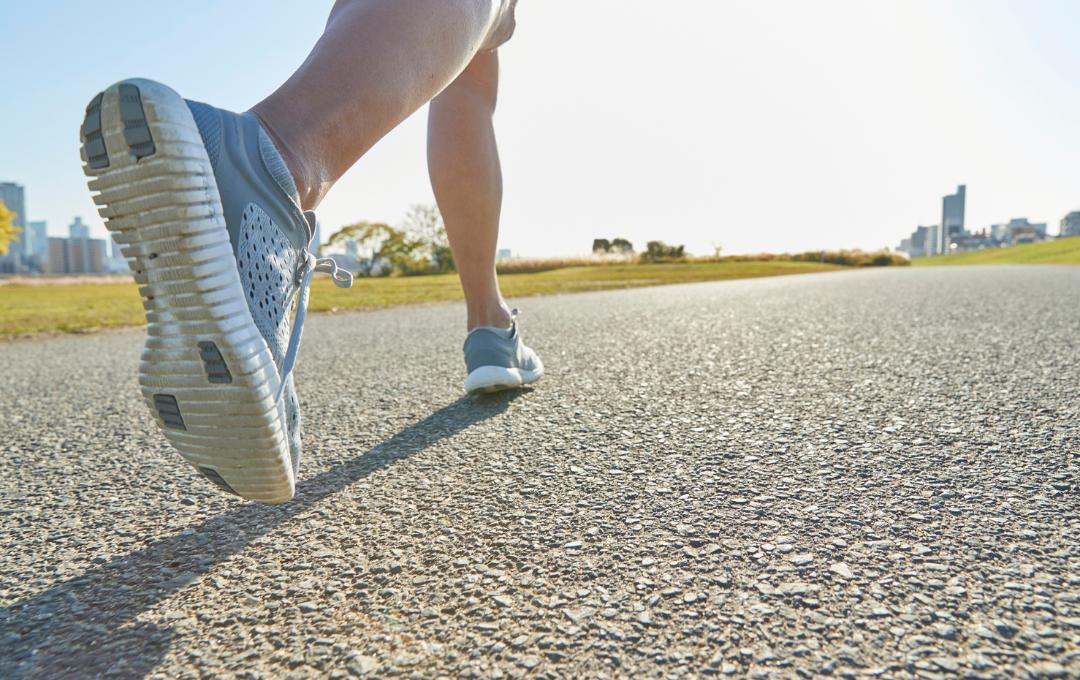
Athletes depend on strong leg circulation to perform at their best. Oxygenated blood must reach the muscles efficiently, and used blood must return to the heart without pooling in the lower legs. For runners, cyclists, and strength-focused athletes, understanding how training affects circulation is key not only for performance—but also for long-term vein health.
This article explores how exercise impacts leg circulation, early signs of vascular strain, and why paying attention to circulation matters even for highly conditioned individuals.
Why Leg Circulation Matters During Training
During training, the cardiovascular system increases blood flow to supply muscles with oxygen and nutrients. After exercise, veins in the legs must work against gravity to return deoxygenated blood back to the heart. Healthy veins contain one-way valves that help push this blood upward.
When these valves weaken or become damaged—a condition known as chronic venous insufficiency (CVI)—blood may pool in the legs and contribute to discomfort or visible vein changes over time.
MEET WITH A LEG CIRCULATION SPECIALIST
How Different Athletic Activities Impact Circulation
Running: Repetitive Impact and Venous Return
Running stimulates cardiovascular strength and improves arterial circulation. However, repetitive impact and increased pressure in the lower legs may challenge venous return. Long-distance runners sometimes report heaviness, swelling, or visible surface veins after intense training, especially when recovery strategies are limited.
Cycling: Prolonged Seated Position and Blood Pooling
Cycling enhances aerobic efficiency and is generally low-impact. Yet, long periods in a seated position with bent knees can reduce upward blood flow from the calves, increasing the risk of pooling in the lower legs. Some cyclists experience ankle swelling after long rides or notice visible vein clusters over time.
Strength Training: Intra-Abdominal Pressure and Vein Strain
Heavy lifting increases intra-abdominal pressure, which can temporarily slow venous return from the legs. While strength training offers many benefits, consistent heavy lifting without adequate recovery may increase pressure on leg veins and contribute to vein dilation in certain individuals.
Signs of Circulation Issues Athletes Shouldn’t Ignore
Many symptoms are subtle and easy to dismiss as typical training fatigue. However, the following may indicate circulation or venous concerns:
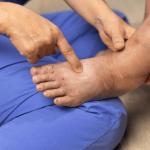
• Lower leg swelling after activity
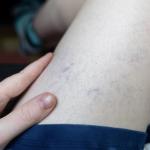
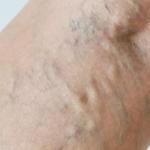
• Visible varicose or spider veins
• Leg heaviness or fatigue not proportional to the workout
• Cramping in calves during or after exercise
• Ankle discoloration or skin texture changes
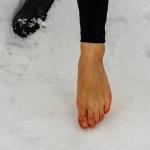
• Tingling, numbness, or cold feet
• Slow recovery compared to peers
These signs do not automatically mean a serious condition is present, but they are worth monitoring—particularly if they persist.
Compromised venous function may affect recovery time, leg comfort, and endurance. Blood pooling in the legs can decrease efficiency during workouts and contribute to soreness afterward. Addressing circulation early can help athletes maintain consistency, reduce discomfort, and protect long-term mobility.
Can Exercise Cause Varicose Veins?
Exercise itself does not cause varicose veins. Genetics, hormonal factors, and vein valve function play a larger role. However, intense training can highlight underlying venous insufficiency that may not have been noticeable before. For example, athletes with a family history of vein disease may see visible vein changes sooner than sedentary individuals.
Supportive Strategies for Healthy Circulation
Dynamic Warm-Ups
Elevates heart rate and prepares vessels for increased blood flow.
Compression Gear
Graduated compression socks or sleeves can support venous return, especially during long runs or rides.
Cross-Training
Alternating high-impact and low-impact sessions reduces cumulative strain on veins.
Active Recovery
Walking, light cycling, or mobility work after hard sessions supports circulation and reduces pooling.
Elevation
Raising legs above heart level post-training assists venous return and reduces swelling.
Hydration and Sodium Balance
Supports vascular function and muscle recovery.
When to Seek Evaluation from a Vein Specialist
Athletes should consider evaluation if they notice:
• Persistent leg swelling or heaviness
• Pain that improves with rest and elevation
• Sudden increase in visible veins
• Skin texture or color changes around ankles
• Slow-healing wounds or ulcers (rare but important)
Training improves cardiovascular fitness, but it does not eliminate the possibility of vein issues—especially for athletes with genetic, hormonal, or occupational risk factors. Recognizing early signs and supporting circulation can protect both performance and long-term leg health.