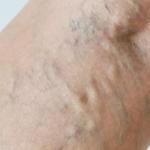

A varicocele is a condition that affects the veins in the scrotum and is more common than many people realize. Often compared to varicose veins, a varicocele occurs when veins become enlarged and blood does not flow efficiently. While some people have no symptoms at all, others notice changes that prompt questions and concern.
Understanding the signs you may have a varicocele can help you recognize when something isn’t quite right and when it may be worth seeking a medical evaluation.
What Is a Varicocele?
A varicocele develops when veins within the scrotum become dilated, allowing blood to pool instead of flowing normally. Over time, this increased pressure can affect comfort, circulation, and overall reproductive health.
Varicoceles most commonly form on the left side but can occur on one or both sides.
Common Signs of a Varicocele
A Dull or Aching Pain
One of the most frequently reported signs is a dull, aching discomfort in the scrotum. This pain may worsen after standing for long periods, physical activity, or at the end of the day, and improve when lying down.
Heaviness or Pressure
Some people describe a feeling of heaviness or dragging in the scrotum. This sensation may become more noticeable over time or during prolonged standing.
Visible or Enlarged Veins
A varicocele may cause veins to appear enlarged or twisted, sometimes described as looking or feeling like a “bag of worms.” These changes may be easier to notice when standing.
Swelling or Size Differences
You may notice swelling on one side of the scrotum or a difference in size between the two testicles. These changes are often gradual and easy to overlook at first.
Discomfort During Physical Activity
Exercise, lifting, or long periods of movement can increase pressure in the veins, making discomfort more noticeable if a varicocele is present.
Fertility-Related Concerns
In some cases, a varicocele is discovered during an evaluation for fertility issues. Reduced blood flow and increased temperature around the testicles may affect sperm health in certain individuals.
Why Symptoms Can Be Easy to Miss
Varicoceles often develop slowly and may not cause sharp pain or sudden symptoms. Mild discomfort or subtle physical changes can be easy to dismiss or attribute to temporary strain or activity.
Because symptoms can fluctuate, some people delay evaluation until discomfort becomes more persistent.
When to Pay Closer Attention
It may be time to seek medical guidance if you notice:
-
Ongoing or worsening scrotal discomfort
-
Visible vein changes that weren’t there before
-
Fertility concerns without a clear explanation
Early awareness can help clarify whether symptoms are related to a varicocele or another condition. While a varicocele is not always dangerous, untreated vein issues can sometimes lead to ongoing discomfort or other complications. Learning the signs allows you to take a proactive approach to your health and understand what your body may be signaling.
Changes in comfort, appearance, or sensation should never be ignored. Recognizing early signs of a varicocele can help you make informed decisions and seek appropriate care when needed.