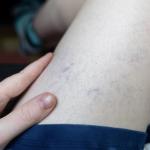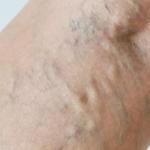

Noticing a patch of darker, discolored skin on your lower leg is easy to brush off as a bruise, a sunspot, or just a sign of aging skin. Sometimes that’s exactly what it is. But when the discoloration shows up consistently around the ankles or shins, doesn’t fade the way a bruise would, and comes with any swelling, heaviness, or itching, it’s usually telling you something about what’s happening underneath the skin rather than on top of it. The good news is that most causes of leg discoloration are identifiable and manageable. The part that matters just as much: the most common cause, chronic venous insufficiency, tends to get worse without treatment, so understanding what you’re looking at is the first step toward protecting your skin and your legs.
What Causes Skin Discoloration on the Lower Legs
Your leg veins rely on a series of one-way valves to push blood upward against gravity, back toward your heart. When those valves weaken or stop closing properly, a condition called chronic venous insufficiency, blood begins to pool in the lower legs instead of moving on. Over time, the pressure from that pooled blood pushes fluid and even blood cells out of the veins and into the surrounding tissue.
When red blood cells break down in that tissue, they release iron in the form of a compound called hemosiderin. Hemosiderin leaves behind a brown, rust colored, or purplish stain in the skin, most often around the ankles and shins where pressure and pooling are greatest. This is known as hemosiderin staining, and it’s one of the most recognizable signs of long-standing venous insufficiency. In some cases, the ongoing inflammation from pooled blood also triggers a related skin condition called venous stasis dermatitis, which adds redness, scaling, and itching on top of the discoloration.
Not every case of leg discoloration comes from venous insufficiency, though it’s by far the most common cause. Reduced blood flow from peripheral artery disease can cause the skin to look pale or discolored in a different pattern, often accompanied by pain when walking. Diabetes can lead to light brown, scaly patches known as diabetic dermopathy. Inflammatory skin conditions like eczema or psoriasis, as well as autoimmune conditions, can also change the color and texture of skin on the legs. The pattern, location, and accompanying symptoms usually point toward the underlying cause, which is why a professional evaluation matters more than guessing from a search engine.
Common Patterns and What They Might Mean
Brownish or rust colored staining that develops gradually around the ankles, and doesn’t fade the way a bruise would over a couple of weeks, is the classic sign of hemosiderin staining from venous insufficiency. It tends to appear on both legs, though not always symmetrically, and often shows up alongside visible varicose or spider veins, ankle swelling that’s worse by evening, or a heavy, achy feeling in the legs.
Redness, scaliness, and itching layered on top of that discoloration usually point toward stasis dermatitis, the inflammatory skin reaction that can accompany venous insufficiency. This pattern is often mistaken for a simple rash or dry skin, and it’s one of the reasons many people end up trying moisturizers and anti-itch creams for months before learning the root cause is vascular rather than dermatological.
Pale, cool, or bluish discoloration, especially if it comes with cramping pain during walking that eases with rest, points more toward reduced arterial blood flow rather than venous pooling. This pattern deserves prompt medical attention, since peripheral artery disease carries its own set of risks separate from venous insufficiency. Any sudden discoloration paired with significant swelling, warmth, or pain in one leg should also be evaluated quickly, since it can signal a blood clot rather than a chronic circulation issue.
When It’s More Than Skin Deep
Hemosiderin staining itself isn’t dangerous. The iron deposits in the skin don’t cause harm on their own. What makes this discoloration worth paying attention to is what it represents: visible proof that the vein disease behind it has already progressed to a more advanced stage. Skin changes like this typically don’t appear in the earliest phases of venous insufficiency. By the time discoloration shows up, the underlying vein dysfunction has usually been building for a while.
Left unaddressed, this progression doesn’t tend to reverse on its own. Skin that’s chronically starved of proper circulation and burdened with inflammation becomes thinner, more fragile, and slower to heal. In more advanced cases, this can lead to venous ulcers, open sores that are notoriously slow to close and prone to infection. Getting ahead of the underlying vein disease is far easier than treating an ulcer once it’s developed.
How to Care for Discolored Skin at Home
While home care won’t reverse discoloration that’s already there or fix the underlying valve damage, it can slow the progression and ease related symptoms. Elevating your legs above heart level for short periods throughout the day reduces the pooling that drives further staining and swelling. Graduated compression stockings apply gentle, consistent pressure that helps blood move more efficiently and takes pressure off already stressed veins.
Gentle movement, such as walking or swimming, supports circulation by engaging the calf muscles that act as a natural pump for returning blood to the heart. Keeping the skin moisturized with fragrance free, hypoallergenic products helps prevent the dryness and cracking that can accompany stasis dermatitis, since irritated or broken skin is more vulnerable to infection. Perfumed lotions or products with alcohol tend to make irritated skin worse rather than better, so it’s worth checking labels before applying anything to already sensitive areas.
When Self-Care Isn’t Enough
For many people, compression, elevation, and movement are enough to manage mild symptoms and slow further discoloration. However, if the staining is spreading, the skin is becoming increasingly itchy or inflamed, or you notice any open sores, self-care alone isn’t going to address the root cause. At that point, a vein specialist can use a simple, painless ultrasound to evaluate whether your vein valves are functioning properly and how advanced the underlying insufficiency has become.
If venous insufficiency is confirmed, several minimally invasive treatments can address the source of the problem rather than just the visible symptoms:
- Radiofrequency ablation: Radiofrequency energy heats and closes the damaged vein from the inside, redirecting blood flow to healthier veins nearby.
- Endovenous laser ablation: Heat from a laser fiber seals off a diseased vein in a minimally invasive, outpatient procedure.
- Sclerotherapy: A solution is injected into smaller affected veins to close them, often used alongside larger vein treatments.
- Wound care: For skin that has already broken down into an ulcer, specialized dressings and cleaning protocols support healing while the underlying vein issue is treated.
Most of these procedures require little to no downtime and are typically covered by insurance when medical necessity, like documented skin changes, is established.
The Bottom Line
Skin discoloration on your lower legs is one of those symptoms that’s easy to dismiss until you understand what it usually represents. In most cases, it’s not a standalone cosmetic issue but a visible sign that the veins beneath the surface have been struggling for a while. The stain itself won’t hurt you, but the vein disease behind it can, especially if it progresses toward ulceration. Catching it at the discoloration stage, rather than waiting for an open wound to develop, gives you far more options and a much easier path to treatment.
Frequently Asked Questions
Is skin discoloration on the legs dangerous?
The discoloration itself, often caused by iron deposits called hemosiderin, isn’t dangerous on its own. However, it’s a warning sign that the underlying vein disease has progressed and may lead to complications like ulcers if left untreated.
Can skin discoloration from venous insufficiency be reversed?
Existing discoloration often fades only partially, even with treatment, since the pigment changes can be long-lasting. Treating the underlying vein disease early can help prevent the staining from getting darker or spreading further.
What’s the difference between hemosiderin staining and stasis dermatitis?
Hemosiderin staining is the brown or rust colored discoloration caused by iron deposits in the skin. Stasis dermatitis is an inflammatory skin reaction that can occur alongside it, adding redness, scaling, and itching to the affected area.
Should I see a dermatologist or a vein specialist for leg discoloration?
Since most leg discoloration originates from an underlying vein problem rather than a skin condition, a vein specialist is typically the right starting point. They can evaluate your veins with ultrasound and coordinate with a dermatologist if skin-directed treatment is also needed.