If you’ve experienced heavy legs, swelling, or skin changes around your lower legs, you may have wondered whether you’re dealing with venous stasis, varicose veins, or both. While these conditions are closely related, they’re not the same — and understanding the difference can help you get the right treatment at the right time.
Let’s break down venous stasis vs varicose veins, how they develop, and the symptoms you should pay attention to.
What Are Varicose Veins?
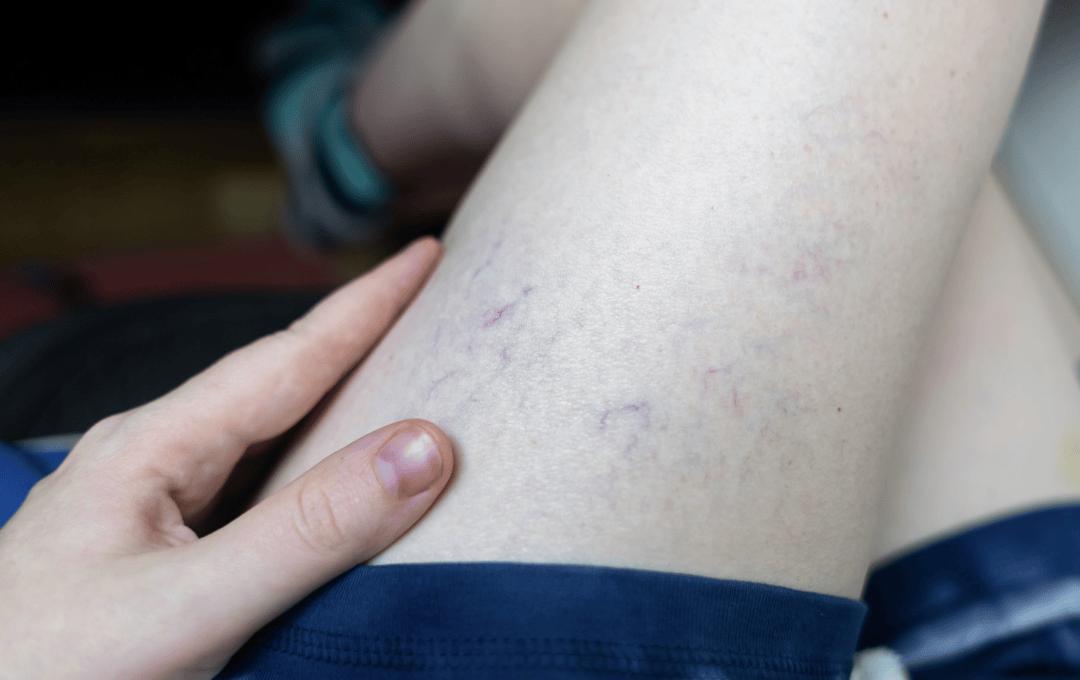
Varicose veins are enlarged, twisted veins that develop when valves inside the veins stop working properly. These valves are supposed to move blood upward toward the heart. When they weaken, blood flows backward and pools in the vein, causing it to swell, bulge, and become visible under the skin.
Varicose veins most commonly appear on the thighs, calves, and behind the knees. They often cause symptoms such as heaviness, throbbing, itching, or a dull ache — especially after long periods of standing or sitting.
Common signs of varicose veins include:
-
Bulging, rope-like blue or purple veins
-
Achy or throbbing legs
-
Mild swelling around the ankles
-
Itching or burning sensations near the vein
While varicose veins may start as a cosmetic concern, they often indicate an underlying circulation problem known as venous insufficiency.
What Is Venous Stasis?
Venous stasis is a more advanced stage of venous disease that occurs when poor circulation causes blood and fluid to collect in the lower legs. Over time, this stagnant blood flow leads to inflammation, swelling, and noticeable changes in the skin.
Unlike varicose veins, which are visible on the surface, venous stasis affects the deeper tissues. It may begin subtly — with tightness, mild swelling, or shiny skin — but can progress to severe discoloration or even open wounds known as venous ulcers.
Signs of venous stasis often include:
-
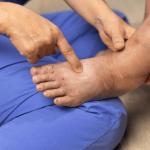
Persistent swelling in the lower legs
-
Brown or reddish skin discoloration
-
Skin that feels tight, shiny, or warm
-
Itchy or irritated skin
-
Thickened or hardened skin texture
-
Slow-healing wounds or ulcers (in advanced cases)
Venous stasis usually develops gradually and is often associated with untreated or worsening venous insufficiency.
How Varicose Veins Lead to Venous Stasis
While varicose veins and venous stasis are different conditions, they are connected. Varicose veins form first when vein valves weaken and blood begins to pool. If this pooling continues for long periods without treatment, pressure inside the veins increases and fluid begins to leak into surrounding tissues. That’s when venous stasis begins.
In other words:
Varicose veins are often the early warning sign, and venous stasis is the next stage of vein disease when circulation becomes significantly impaired.
Not everyone with varicose veins will develop venous stasis, but the risk increases with age, genetics, long periods of standing, pregnancy, obesity, or untreated venous insufficiency.
Find a Vein Specialist Near You
Key Differences: Venous Stasis vs Varicose Veins
Here’s a quick breakdown of how these two conditions differ:
Varicose Veins:
-
Primarily affect surface veins
-
Visible as bulging, twisted veins
-
Often cause heaviness, aching, or itching
-
May cause mild swelling
-
Early stage of venous disease
Venous Stasis:
-
Affects deeper tissues of the lower legs
-
Causes inflammation and fluid buildup
-
Leads to skin discoloration, tightness, and irritation
-
May cause serious complications like ulcers
-
Advanced stage of venous disease
Both conditions share a common root cause: poor circulation due to venous insufficiency.
When Should You Seek Treatment?
You should consider a medical evaluation if you experience:
-
Swelling that doesn’t go away
-
Skin discoloration or shiny skin on the lower legs
-
Increasing discomfort or heaviness
-
New or worsening varicose veins
-
Itching, burning, or irritation around the ankles
-
Slow-healing wounds
These may indicate that venous insufficiency is progressing.
Prompt treatment can prevent venous stasis from worsening and can reduce the risk of complications like ulcers, infections, or significant skin damage.
How Modern Vein Treatments Help
Today’s vein treatments address the root cause of both varicose veins and venous stasis: poor circulation. Minimally invasive procedures — such as EVLT, RFA, Varithena, or VenaSeal — work by closing off unhealthy veins and redirecting blood to healthier ones.
Many patients experience noticeable improvement in swelling, skin changes, and discomfort within weeks. These treatments require no hospital stay, no general anesthesia, and are covered by most major insurance plans.
Understanding the difference between venous stasis vs varicose veins can help you recognize symptoms earlier and take the right steps toward treatment. While varicose veins are often the first visible sign of vein disease, venous stasis signals more advanced circulation issues that shouldn’t be ignored.
If you’re experiencing swelling, discoloration, or painful varicose veins, a vein specialist can determine the underlying cause and recommend the best path forward.