Swelling from the knee down is a common complaint among adults, but it can stem from a wide range of medical conditions. Sometimes the cause is harmless and temporary, like standing for too long or mild irritation after exercise. Other times, swelling is a sign of a circulation problem or a more serious condition that requires medical attention. Understanding what triggers this type of swelling can help you address it early and prevent complications.
1. Chronic Venous Insufficiency (CVI)
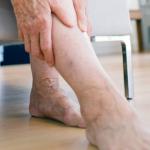
Chronic venous insufficiency is one of the most common causes of swelling from the knee down. CVI occurs when the valves inside your leg veins weaken and allow blood to pool instead of moving back toward the heart. When this pressure builds, fluid leaks into surrounding tissues and causes swelling, heaviness, and tightness in the legs.
Common signs include:
-
Swelling that worsens throughout the day
-
Achy or throbbing legs
-
Visible varicose veins
-
Skin discoloration or hardness
If left untreated, CVI can progress and lead to more serious complications like venous ulcers.
Find a CVI Specialist Near You
2. Varicose Veins
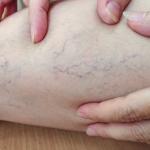
Varicose veins may seem like a cosmetic concern, but they can significantly affect circulation. Because blood moves more slowly through damaged veins, fluid may collect in the lower legs, ankles, and feet. Many people notice that their swelling becomes more noticeable after long hours of sitting or standing.
This type of swelling often comes with symptoms like leg heaviness, itching, warmth, and visible bulging veins.
3. Lymphedema
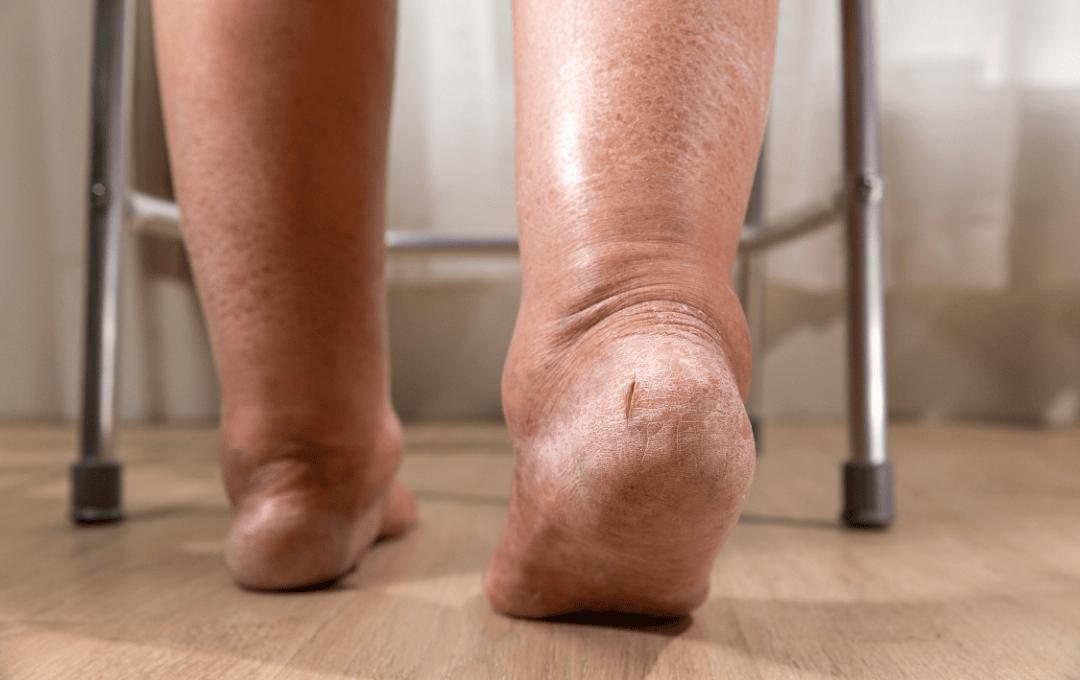
Lymphedema develops when the body cannot efficiently drain lymphatic fluid, causing it to accumulate under the skin. This condition often leads to persistent, firm swelling that starts near the foot or ankle and gradually moves upward toward the knee.
Additional symptoms may include:
-
Thickened or tight skin
-
A heavy or full sensation in the leg
-
Reduced flexibility in the ankle or foot
Unlike swelling caused by inflammation or injury, lymphedema typically does not improve with rest alone.
4. Injury or Overuse
Not all swelling signals a chronic condition—sometimes the cause is an injury like a sprain, strain, or even a small fracture. Overuse from repetitive activity can also irritate muscles and soft tissues, leading to mild swelling from the knee down.
This swelling usually improves with rest, elevation, ice, and gentle stretching. However, if it persists or worsens, it may indicate a more significant injury that needs medical evaluation.
5. Deep Vein Thrombosis (DVT)
A deep vein thrombosis is a blood clot that forms in a deep vein of the leg. DVT is a medical emergency because the clot can travel to the lungs if not treated quickly. Swelling from the knee down is often one of the first noticeable signs.
Other symptoms include:
-
Increased warmth in one leg
-
Redness or discoloration
-
Sudden tenderness or pain
If you notice swelling in only one leg, especially if it appears suddenly, seek immediate care.
6. Heart, Kidney, or Liver Conditions
Swelling in both legs may be related to a more systemic issue. When the heart, kidneys, or liver are not functioning properly, the body retains excess fluid, which settles in the lower legs due to gravity. This type of swelling often develops gradually and may worsen toward the end of the day.
If leg swelling is accompanied by shortness of breath, fatigue, or abdominal swelling, a medical evaluation is recommended.
7. Medications That Cause Swelling
Certain medications are known to cause water retention in the lower legs. These may include:
-
Hormone therapies
-
Steroids
-
Antidepressants
-
Some blood pressure medications
If swelling started after beginning a new prescription, your provider may adjust the dosage or switch medications.
Simple Self-Care Tips to Reduce Swelling From the Knee Down
Lifestyle changes can support healthier circulation and help manage mild swelling. Elevating your legs above heart level, wearing compression stockings, staying active, and reducing salt intake can all help prevent fluid buildup. Stretching your calves and ankles throughout the day can also help keep blood moving and reduce fatigue.
When to See a Doctor for Lower-Leg Swelling
You should seek medical attention if your swelling:
-
Appears suddenly
-
Affects only one leg
-
Comes with pain, redness, or warmth
-
Does not improve after resting or elevating your legs
-
Is paired with visible varicose veins or skin changes
These signs may indicate a venous condition or another underlying issue that needs diagnostic testing.
Swelling from the knee down can stem from a variety of causes—some simple and temporary, others more serious. While mild swelling may come and go, persistent or worsening symptoms should be evaluated by a specialist. Addressing the root cause early can help protect your long-term leg health and prevent complications.
How Vein Treatment Can Help Reduce Swelling
If venous insufficiency or varicose veins are behind your swelling, minimally invasive vein treatments can provide long-lasting relief. Modern procedures—such as endovenous laser therapy (EVLT), Varithena, or sclerotherapy—help redirect blood flow and relieve pressure in the veins. Many patients see improvements in swelling, heaviness, and discomfort within days.
These treatments are non-surgical, require no hospital stay, and are typically covered by most major insurance plans.