Most people don’t think much about circulation until something feels off. When blood flow in the legs is working well, it tends to go unnoticed. When circulation is compromised, however, the legs often send subtle signals long before a serious problem develops. Learning what healthy leg circulation feels like—and how it differs from abnormal sensations—can help people recognize changes early and better understand their bodies.
What Healthy Leg Circulation Typically Feels Like
Healthy circulation allows oxygen-rich blood to reach muscles and tissues efficiently, while veins return blood back to the heart without excessive effort. When this system is functioning well, the legs usually feel comfortable and reliable throughout daily activities.
People with healthy leg circulation often notice that their legs:
-
Feel energized rather than heavy during normal movement
-
Recover quickly after walking, standing, or mild exercise
-
Do not swell noticeably by the end of the day
-
Maintain consistent skin color and temperature
-
Feel relaxed rather than tight or pressured at rest
In most cases, there is little awareness of blood flow at all. The absence of discomfort, swelling, or fatigue is often the clearest sign that circulation is functioning as it should.
GET A CONSULTATION WITH A LEG CIRCULATION SPECIALIST
How Normal Sensations Can Change During the Day
Even with healthy circulation, legs can feel temporarily tired after a long day, intense physical activity, or extended standing. These sensations usually resolve with rest, movement, or elevation. For example, mild muscle fatigue after exercise or brief stiffness after sitting too long is common and typically improves once circulation increases again.
The key distinction is duration and consistency. Normal sensations tend to be short-lived and predictable, while circulation-related symptoms often persist, worsen, or follow specific patterns tied to activity or posture.
Signs That Leg Circulation May Not Be Working Normally
When circulation becomes less efficient, the legs often signal that something has changed. These signals may be subtle at first and easy to dismiss, especially when they develop gradually.
Sensations that may indicate circulation problems include:
-
A heavy, achy, or tired feeling in the legs that appears regularly
-
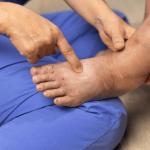
Swelling around the ankles or lower legs, especially later in the day
-
Throbbing or pressure that worsens with prolonged standing or sitting
-
Discomfort that improves when the legs are elevated
-
Cramping or tightness during walking that eases with rest
These symptoms suggest that blood may not be moving as smoothly through the veins or arteries as it should.
Venous vs. Arterial Circulation: Different Feelings, Different Patterns
Not all circulation issues feel the same. Problems involving veins and arteries tend to create different patterns of discomfort.
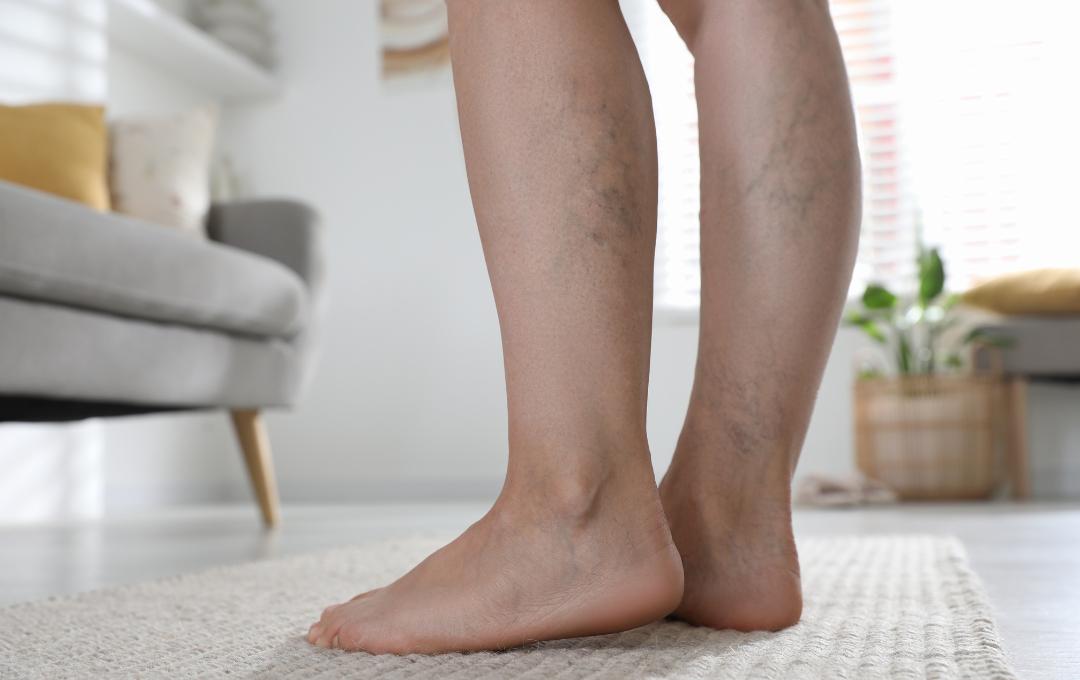
Venous circulation issues occur when blood struggles to return to the heart efficiently. This can lead to pooling in the lower legs and symptoms such as heaviness, swelling, visible veins, or aching that worsens as the day goes on.
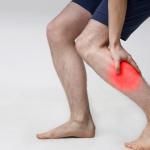
Arterial circulation issues involve reduced blood flow to the legs. This often shows up during activity, when muscles need more oxygen. People may notice cramping, tightness, or pain in the calves or thighs that appears while walking and improves with rest. Over time, these symptoms can limit endurance and confidence in staying active.
Recognizing whether symptoms are linked to activity, rest, or posture can offer important clues about the type of circulation involved.
Why Circulation Changes Can Be Easy to Miss
Circulation changes often develop slowly. The body adapts, and people adjust their routines without realizing it—walking shorter distances, avoiding stairs, or sitting down more frequently. Because these changes happen gradually, abnormal sensations can start to feel “normal,” even when they are not.
Factors such as aging, hormonal changes, prolonged sitting, reduced muscle mass, or long-term standing can all place added strain on circulation. Over time, this strain may lead to noticeable leg symptoms that weren’t present before.
Supporting Healthy Circulation in Daily Life
Healthy circulation is supported by regular movement and habits that help blood flow against gravity. Walking activates the calf muscles, which act as a natural pump for veins. Shifting positions throughout the day prevents blood from pooling in one place. Elevating the legs allows gravity to assist venous return, especially after long periods of standing or sitting.
While these habits can support circulation, they do not replace medical evaluation when symptoms persist or worsen.
When “Not Normal” Deserves Attention
Occasional leg fatigue is common. Persistent or progressive symptoms are not. If sensations such as swelling, heaviness, cramping with walking, or visible vein changes become frequent, it may be worth discussing them with a healthcare provider. Circulation-related conditions are often more manageable when identified early, before they begin to interfere with daily comfort or mobility.
Understanding what healthy leg circulation feels like makes it easier to notice when something changes—and to take those changes seriously.