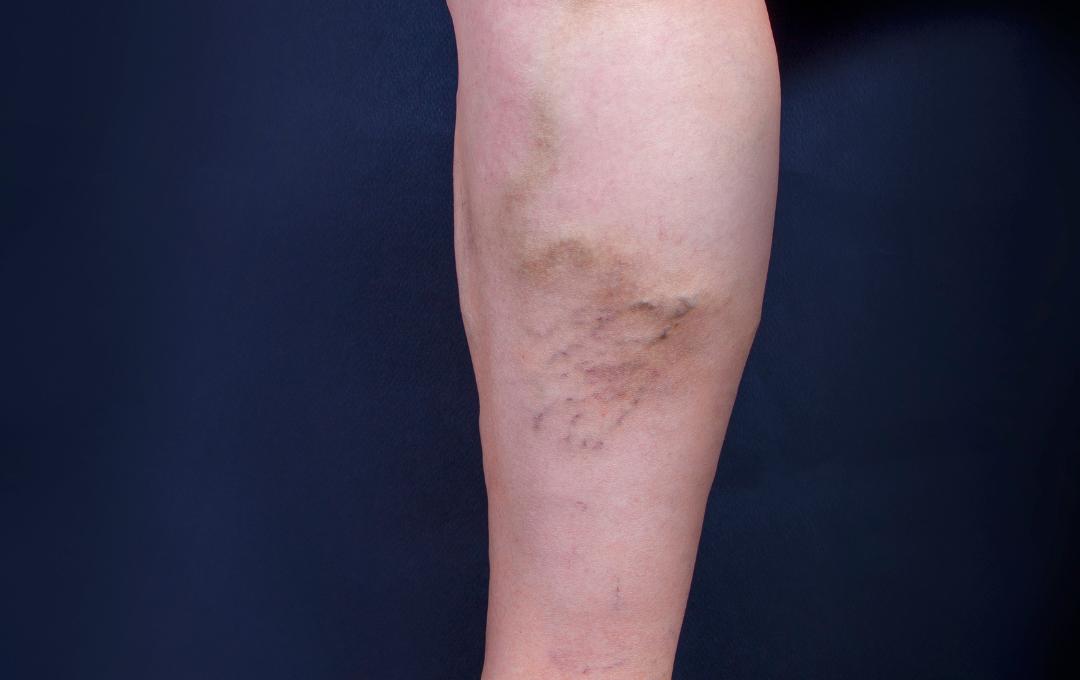
Healthy circulation in the legs depends on a system of veins and valves that work together to move blood back toward the heart. When these valves function properly, blood flows upward through the veins even though it must travel against gravity.
However, when vein valves become damaged or weakened, this system can begin to fail. Blood may start flowing backward and collect in the veins of the legs. This condition is known as venous reflux and is one of the most common causes of chronic venous insufficiency.
Understanding how vein valves function and what happens when they become damaged can help explain why venous reflux develops and why it can lead to uncomfortable leg symptoms.
How Vein Valves Help Blood Move Upward
The veins in the legs carry blood back to the heart after oxygen has been delivered to the body’s tissues. Because the legs are located below the heart, veins must work against gravity to return blood upward.
To help with this process, veins contain small one way valves. These valves open to allow blood to move upward and close quickly to prevent blood from flowing backward.
Movement also plays an important role in circulation. Each time you walk, the calf muscles contract and help push blood through the veins. This muscle movement supports the work of the valves and keeps blood moving in the correct direction.
When this system is working properly, blood flows smoothly through the veins without building up pressure in the lower legs.
What Happens When Vein Valves Become Damaged
If vein valves become weakened or damaged, they may no longer close properly. When the valves fail to seal tightly, blood can begin to move backward in the vein instead of continuing upward toward the heart.
This backward flow of blood is known as venous reflux. As blood moves in the wrong direction, it can collect in the veins of the legs and increase pressure within the blood vessels.
Over time, this increased pressure can cause the veins to stretch and enlarge. As the veins expand, symptoms may begin to develop and circulation can become less efficient.
People experiencing venous reflux may notice symptoms such as:
-
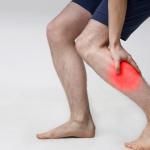
Legs that feel heavy or tired throughout the day
-
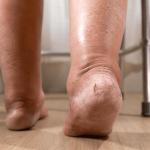
Swelling around the ankles or lower legs
-
Aching or throbbing discomfort after standing
-
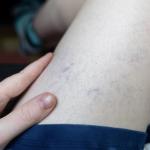
Visible varicose veins developing in the legs
These symptoms often worsen later in the day because gravity continues pulling blood toward the lower legs.
Why Valve Damage Can Lead to Vein Disease
When vein valves fail, blood that should move upward toward the heart begins to pool in the lower legs. This buildup of blood increases pressure inside the veins and places strain on the vein walls.
As pressure continues to rise, the veins may become enlarged and twisted, leading to the development of varicose veins. Circulation in the legs may also become less efficient, which can contribute to symptoms such as heaviness, fatigue, and swelling.
Venous reflux is one of the most common underlying causes of chronic venous insufficiency. Without treatment, the condition may gradually worsen over time as pressure continues to affect the veins.
Factors That Can Damage Vein Valves
Several factors can increase the likelihood of valve damage and venous reflux. These factors often affect the strength of the vein walls or the function of the valves over time.
Common contributors include:
-
Aging, which can weaken the structure of veins and valves
-
A family history of varicose veins or vein disease
-
Pregnancy, which increases pressure on the veins in the pelvis and legs
-
Jobs that require long periods of standing or sitting
-
Excess body weight that increases strain on circulation
Because these risk factors often develop gradually, symptoms may appear slowly and may become more noticeable over time.
UNSURE ABOUT YOUR SYMPTOMS? TAKE OUR QUIZ
How Doctors Detect Venous Reflux
When symptoms suggest a possible vein condition, doctors typically evaluate circulation using a duplex ultrasound exam. This noninvasive imaging test allows specialists to observe blood flow in the veins of the legs.
Ultrasound testing can reveal whether blood is moving in the correct direction or flowing backward due to valve damage. It can also identify areas where blood may be pooling in the veins.
This information helps vein specialists determine whether venous reflux is present and whether treatment may be recommended.
Treatment Options That Address Venous Reflux
Modern vein treatments focus on improving circulation by closing veins that are no longer functioning properly. When these veins are treated, blood naturally reroutes through healthier veins that can carry blood back to the heart more efficiently.
Common treatment options include:
-
Endovenous Laser Therapy
-
Radiofrequency Ablation
-
Ultrasound guided sclerotherapy
These procedures are typically performed in outpatient settings and often allow patients to return to normal activities soon after treatment.
When Circulation Symptoms Should Get Expert Attention
Occasional leg fatigue or heaviness can occur after long periods of standing or sitting. However, symptoms that persist or worsen over time may indicate an underlying circulation issue.
If your legs frequently feel heavy, swollen, or uncomfortable, a vein evaluation can help determine whether venous reflux may be affecting circulation.
A vein specialist can examine your symptoms, evaluate blood flow, and recommend treatment options that may improve leg comfort and vein health.
GET A CONSULTATION FOR FINDING LEG VEIN TREATMENT