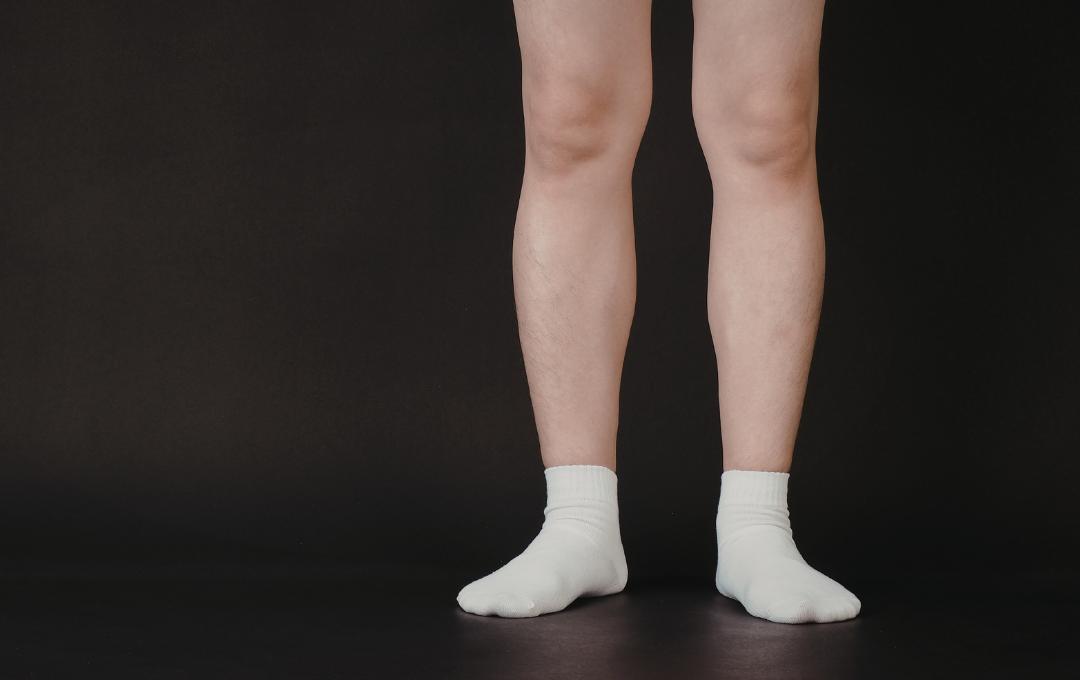
If you’ve ever stood in one place for a long time—waiting in line, working a shift, or attending an event—you may have noticed your legs beginning to ache, feel heavy, or become uncomfortable. Many people assume this discomfort is simply muscle fatigue, but pain that occurs while standing still can sometimes be related to how blood circulates through the veins in the legs.
Standing without movement can place significant strain on the circulatory system. When this happens regularly, it may contribute to symptoms that signal an underlying vein condition.
Understanding why leg pain develops when standing still can help you recognize whether circulation problems may be involved.
How Circulation Works While Standing
The veins in your legs carry blood back to the heart. Because blood must travel upward against gravity, the veins rely on a combination of one-way valves and muscle movement to keep blood flowing in the correct direction.
Walking activates the calf muscles, which act as a pump that pushes blood upward through the veins. When you are moving, this system helps circulation work efficiently.
However, when you stand still for long periods, the muscles in the legs remain inactive. Without the assistance of muscle movement, blood can begin to slow down in the veins. Over time, this may cause pressure to build in the veins of the lower legs.
This buildup of pressure can lead to discomfort, heaviness, and aching sensations.
LEARN MORE ABOUT IMPROVING LEG VEIN CIRCULATION
Why Standing Still Can Cause Leg Pain
Standing in one position for extended periods can make it harder for blood to circulate effectively. When circulation slows, blood may begin pooling in the lower legs. This pooling increases pressure inside the veins and can stretch the vein walls.
As the pressure builds, many people begin to notice symptoms that worsen the longer they remain standing.
People experiencing circulation-related discomfort may notice:
-
Aching or throbbing pain in the legs when standing still
-
A feeling of heaviness or fatigue in the calves
-
Swelling around the ankles by the end of the day
-
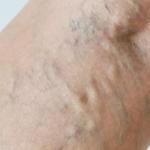
Visible varicose veins or spider veins developing over time
These symptoms often improve once a person begins walking or elevates their legs, which helps blood move back toward the heart.
Conditions That May Cause Leg Pain While Standing
Occasional leg discomfort after standing for long periods can be normal. However, persistent pain when standing still may be related to underlying vein disease.
One common cause is chronic venous insufficiency (CVI), a condition that occurs when the valves in the veins become weakened or damaged. When this happens, blood can begin flowing backward—a process known as venous reflux—which leads to blood pooling in the legs.
Over time, this increased pressure inside the veins can cause symptoms that worsen with prolonged standing.
Several factors can increase the risk of vein disease and circulation problems, including:
-
Jobs that require long hours of standing
-
Aging, which can weaken vein valves over time
-
Pregnancy, which increases pressure in the leg veins
-
Genetics or a family history of varicose veins
-
Excess body weight that increases strain on the veins
Because these factors often develop gradually, many people may not realize their symptoms are related to circulation.
Why Movement Helps Relieve Leg Pain
If your legs hurt while standing still but feel better once you start walking, circulation may be playing a role.
Movement activates the calf muscles, which help pump blood upward through the veins. This reduces the pressure that builds up in the lower legs during prolonged standing.
For this reason, simple activities such as walking, stretching, or briefly elevating the legs can temporarily relieve symptoms. However, if vein valves are not functioning properly, symptoms may continue to return.
How Vein Specialists Diagnose Circulation Problems
When symptoms suggest a vein condition, specialists typically evaluate circulation using a duplex ultrasound exam. This noninvasive imaging test allows doctors to observe blood flow in the veins and determine whether blood is moving properly toward the heart.
Ultrasound testing can identify venous reflux, damaged vein valves, or areas where blood may be pooling. This information helps specialists determine the most appropriate treatment plan.
Treatment Options for Vein Disease
If vein disease is diagnosed, many treatments today are minimally invasive and performed in an outpatient setting. These procedures work by closing malfunctioning veins so that blood can reroute through healthier veins.
Common treatment options include:
-
Radiofrequency Ablation (RFA)
-
Ultrasound-guided sclerotherapy
These procedures typically require little downtime and allow many patients to return to normal activities shortly afterward.
When to Seek Treatment
Occasional leg fatigue after standing for long periods can happen to anyone. However, if your legs frequently hurt when you stand still—especially if symptoms worsen throughout the day—it may indicate a circulation problem.
A vein specialist can evaluate your symptoms, examine your veins, and determine whether venous insufficiency or another vein condition may be causing your discomfort.
If leg pain, heaviness, or swelling occurs regularly when standing, scheduling a consultation can help you better understand your vein health and explore treatment options.