If you’ve noticed that your varicose veins feel warm—or even hot—to the touch, it’s understandable to feel concerned. While varicose veins are often associated with visible bulging, aching, or heaviness in the legs, warmth is a symptom many people don’t expect. In some cases, warmth can be harmless, but in others, it may signal an underlying vein issue that deserves medical attention.
Understanding why varicose veins can feel warm helps you better recognize when symptoms are normal and when they may indicate a more serious vascular condition.
What Causes Varicose Veins to Feel Warm?
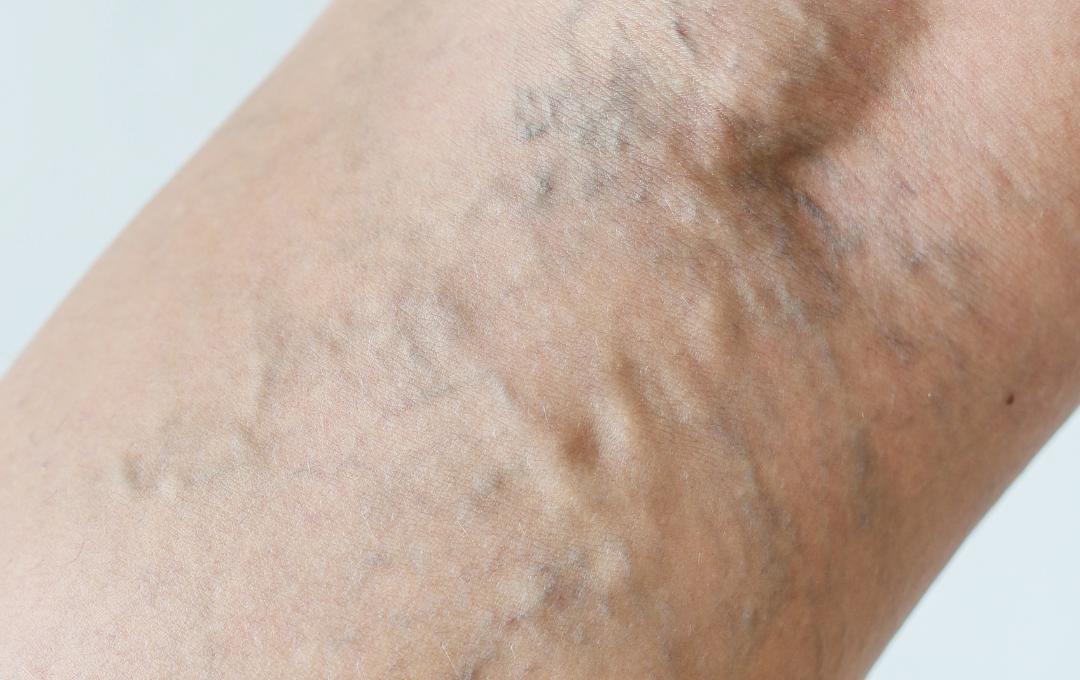
Varicose veins develop when the valves inside your veins weaken or fail, allowing blood to pool rather than flow efficiently back toward the heart. This poor circulation can trigger several changes in the surrounding tissue—some of which can cause a warm sensation.
Increased Blood Pooling and Pressure
When blood collects in enlarged veins, pressure builds up inside the vessel. This increased pressure can raise the temperature of the surrounding tissue, making the area feel warmer than the rest of your leg.
Inflammation of the Vein
Inflammation is one of the most common reasons varicose veins feel warm. As blood stagnates, it can irritate the vein wall, leading to localized inflammation. Inflammation increases blood flow to the area as part of the body’s immune response, which often causes warmth, tenderness, or redness.
Chronic Venous Insufficiency (CVI)
Warm varicose veins are frequently associated with chronic venous insufficiency (CVI)—a progressive vein disease in which veins struggle to circulate blood efficiently. CVI doesn’t just cause cosmetic changes; it can also lead to swelling, skin discoloration, itching, and warmth in the legs, particularly after long periods of standing or sitting.
Is It Normal for Varicose Veins to Feel Warm?
Occasional warmth, especially after exercise or prolonged standing, may not be unusual. However, persistent warmth, especially when paired with other symptoms, should not be ignored.
Warmth may be a sign that the vein is under stress or inflamed. While this doesn’t automatically mean something dangerous is happening, it can indicate that vein disease is progressing.
SCHEDULE A VISIT WITH A VEIN SPECIALIST
When Warm Varicose Veins May Be a Warning Sign
In some situations, warmth in a varicose vein can signal a more serious condition.
Superficial Thrombophlebitis
This condition occurs when a blood clot forms in a vein close to the skin’s surface. Symptoms often include:
-
Warmth along the vein
-
Redness or discoloration
-
Tenderness or pain
-
A firm, cord-like feeling under the skin
While superficial thrombophlebitis is usually not life-threatening, it still requires medical evaluation to rule out deeper clots.
Skin Changes and Ulcer Risk
Ongoing inflammation and poor circulation can damage surrounding skin. Warmth combined with darkened skin, itching, or hardening of the tissue may indicate advanced vein disease, which increases the risk of venous ulcers if left untreated.
Other Symptoms That Often Occur Alongside Warm Varicose Veins
Warmth rarely appears on its own. Many people also experience:
-
Aching or throbbing legs
-
Heaviness or fatigue in the legs
-
Swelling in the ankles or calves
-
Itching or burning sensations
-
Skin discoloration near the vein
These symptoms often worsen at the end of the day or after prolonged standing.
Can Warm Varicose Veins Be Treated?
Treatment depends on the underlying cause. Addressing poor circulation and vein inflammation often helps relieve warmth and discomfort. Modern vein care focuses on minimally invasive procedures that improve blood flow while preserving surrounding tissue.
Lifestyle changes—such as leg elevation, compression therapy, and movement throughout the day—may help manage mild symptoms, but they do not correct underlying vein disease.
When to See a Vein Specialist
If your varicose veins feel consistently warm, painful, or tender—or if you notice redness, swelling, or skin changes—it’s important to seek medical evaluation. These symptoms may indicate inflammation or advancing vein disease that benefits from early intervention.
If you’re experiencing warm or uncomfortable varicose veins and want a clearer understanding of what may be causing your symptoms, a vein evaluation can provide helpful answers and peace of mind.