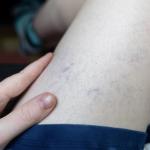

Varicose veins are often associated with aging, but many young adults are surprised to notice visible veins or symptoms such as heaviness and discomfort in their legs. While age is a risk factor, it is not the only reason varicose veins develop.
In younger individuals, vein-related symptoms may appear due to a combination of genetics, lifestyle habits, and early changes in circulation. Understanding why varicose veins can develop at a younger age can help you recognize symptoms early and take steps to protect vein health.
LEARN MORE ABOUT VARICOSE VEINS
What Happens Inside the Veins
Veins in the legs carry blood back to the heart. To move blood upward against gravity, they rely on one way valves that open and close to keep blood flowing in the correct direction.
When these valves become weakened or do not close properly, blood can begin to move backward and collect in the veins. This process is known as venous reflux and is the main cause of varicose veins.
As pressure builds inside the veins, they may stretch and become enlarged. Over time, this can lead to visible veins and symptoms such as heaviness or aching in the legs.
Why Varicose Veins Can Appear at a Young Age
Varicose veins can develop earlier than expected for several reasons. In many cases, the condition is linked to factors that affect how well the veins function rather than age alone.
Some young adults may begin to notice symptoms during their twenties or thirties, especially if certain risk factors are present.
Common contributors include:
- A family history of varicose veins or vein disease
- Jobs that require long periods of standing or sitting
- Hormonal changes, including those related to pregnancy or birth control
- Limited physical activity that affects circulation
- Excess weight that increases pressure on the veins
Because these factors can begin early in life, vein symptoms may develop sooner than expected.
Early Signs to Watch For
In young adults, varicose veins may not always be obvious at first. Many people notice subtle symptoms before visible veins appear.
Early signs may include:
- Legs that feel heavy or tired by the end of the day
- Mild aching or discomfort after standing or sitting
- A feeling of tightness or pressure in the legs
- Small visible veins that gradually become more noticeable
These symptoms may come and go at first, which can make them easy to overlook.
How Lifestyle Can Influence Vein Health
Daily habits can have a significant impact on circulation. Long periods of sitting or standing can slow blood flow in the legs, especially when there is little movement.
For example, office work that involves sitting for extended periods or jobs that require standing in one place can place strain on the veins over time. Without regular muscle movement, blood may begin to pool in the lower legs.
Staying active, taking breaks to move, and maintaining a healthy weight can all support better circulation and help reduce strain on the veins.
Why Early Symptoms Should Not Be Ignored
Even though varicose veins may seem like a cosmetic concern at first, they are often linked to underlying circulation problems. When venous reflux is present, symptoms may gradually worsen if left untreated.
Over time, pressure inside the veins can increase, leading to more noticeable discomfort, swelling, or visible veins. Addressing symptoms early can help prevent the condition from progressing.
How Vein Specialists Evaluate Circulation
If vein symptoms develop, a vein specialist can evaluate circulation using a duplex ultrasound exam. This noninvasive imaging test allows doctors to observe how blood flows through the veins and determine whether venous reflux is present.
Ultrasound testing can identify areas where blood may be flowing backward or pooling in the veins. This information helps guide treatment decisions.
Treatment Options for Varicose Veins
Modern vein treatments are designed to improve circulation by closing veins that are no longer functioning properly. Once treated, blood is redirected to healthier veins.
Common treatment options include:
- Endovenous Laser Therapy
- Radiofrequency Ablation
- Ultrasound guided sclerotherapy
These minimally invasive procedures are typically performed in outpatient settings and often require little downtime.
When to Consider a Vein Evaluation
Varicose veins in young adults are not uncommon, especially when risk factors are present. While early symptoms may be mild, they can become more noticeable over time.
If you experience leg heaviness, discomfort, or visible veins, a vein evaluation can help determine whether circulation problems are present. A specialist can assess your symptoms and recommend appropriate care to help maintain long term vein health.