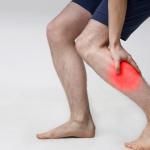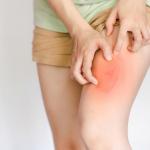
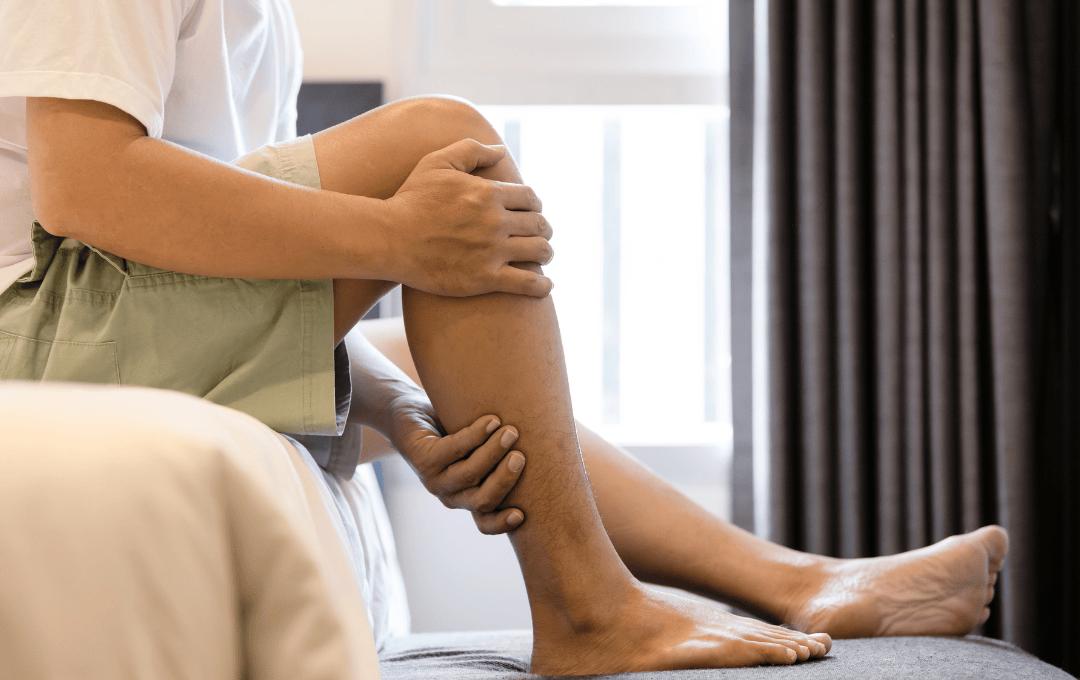
When your legs feel tender or painful even to a light touch, it can signal more than simple muscle soreness. Tenderness might stem from an underlying vein condition—such as varicose veins, venous insufficiency or superficial vein inflammation—that disrupts circulation and causes blood to pool.
Below, we explore how vein-related mechanisms can make the legs hurt to touch, while also explaining associated symptoms and when a specialist evaluation is advised.
Find a Leg Vein Treatment Clinic Near You
How Vein Problems Lead to Tenderness
When the veins in the legs don’t return blood efficiently to the heart, pressure builds up. This blood pooling places extra strain on the vein walls, triggers inflammation and can leak fluids into surrounding tissues—all of which can make the skin feel sensitive, sore or warm.
For example:
-
Damaged or weakened valves allow backward flow (venous reflux), making veins enlarge and become twisted – this structural change can cause the vein walls themselves to ache.
-
Inflammation around superficial veins may cause the surrounding skin to swell and become tender to touch.
-
Skin changes such as discoloration, dryness or ulceration indicate the underlying vein condition has progressed and may be contributing to discomfort when pressure or contact is applied.
Common Signs That Accompany Tender Legs
USA Vein Clinics highlights several other symptoms to watch for, especially if your legs hurt with touch:
-
A feeling of heaviness, aching or fatigue in the legs, especially after standing or sitting for long periods.
-
Visible bulging veins (varicose veins), or skin changes such as brownish discoloration or dryness in the lower legs.
-
Legs that feel warmer than other parts of the body, or areas that sting/burn slightly when touched. These signs may point to inflammation of superficial veins.
When Does Tenderness Indicate a More Serious Issue?
While occasional soreness may be harmless, tenderness in the legs—especially when persistent and associated with swelling, skin changes, or visible veins—should prompt a vein specialist’s evaluation.
This is because untreated vein disease can lead to complications such as skin ulceration, bleeding, or even blood clots (deep vein thrombosis) in the leg.
What to Do Next
If your legs hurt to the touch and you notice accompanying signs—such as swelling, visible varicose veins, skin discoloration or warmth—contact USA Vein Clinics for a consultation. Their vein specialists start with a full evaluation including history, physical exam and diagnostic imaging (such as ultrasound) when needed. Early intervention improves comfort and prevents progression.