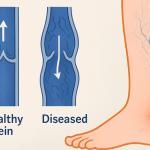
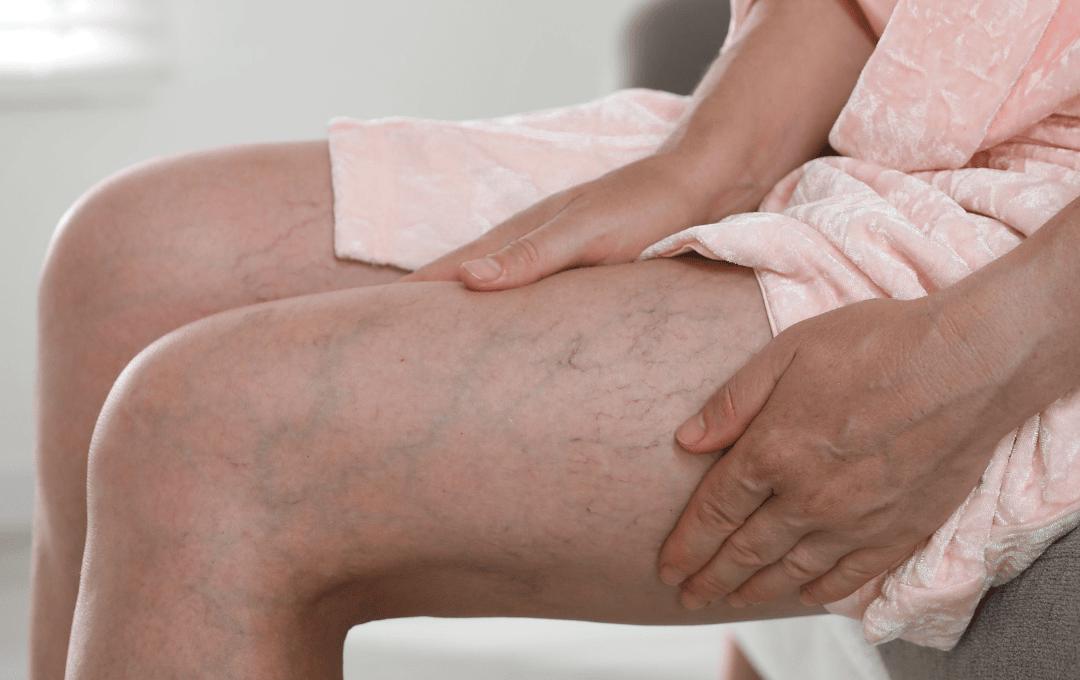
Your legs contain one of the most complex vein networks in your body. These veins are responsible for moving blood from your feet back to your heart—against gravity. This process depends on a series of one-way valves inside the veins that open to let blood flow upward and close to keep it from falling back down.
Understanding How Leg Veins Work
When these valves weaken or are damaged, blood can begin to pool in the veins, leading to chronic venous insufficiency—the underlying cause of varicose veins, swelling, and leg discomfort. Knowing which veins are most important can help you understand how vein disease develops and why symptoms often appear in specific areas of the leg.
Find a Leg Vein Clinic Near You
The Great Saphenous Vein (GSV)
The great saphenous vein is the longest vein in the body and one of the most important in maintaining proper leg circulation. It runs from the top of your foot, up along the inner side of your leg and thigh, and eventually connects to the deep veins near your groin.
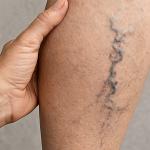
This is one of the veins most commonly affected by varicose veins. When the valves inside the GSV fail, blood begins to back up, causing visible bulging, heaviness, and fatigue in the legs. Because of its size and length, GSV reflux often contributes to the appearance of varicose veins on the thigh or calf.
The Small Saphenous Vein (SSV)
The small saphenous vein runs along the back of your calf and drains into a deeper vein behind the knee. This vein can also develop reflux and contribute to pain, swelling, or visible veins in the lower leg.
Issues in the SSV often present as tenderness or aching in the calf, particularly after standing for long periods. Treatment for SSV reflux typically involves minimally invasive options like endovenous laser therapy (EVLT) or radiofrequency ablation (RFA), both performed in-office at USA Vein Clinics locations.
Deep Veins: The Foundation of Circulation
In addition to the superficial veins, your legs have deep veins that carry most of your blood back toward the heart. These include the femoral, popliteal, and tibial veins. Because these veins are located deeper within the muscle tissue, problems here are not usually visible but can cause serious health issues if blood flow becomes blocked.
One common condition affecting deep veins is deep vein thrombosis (DVT)—a blood clot that forms within the deep venous system. USA Vein Clinics warns that DVT can lead to pain, swelling, and potentially life-threatening complications if the clot travels to the lungs. Regular movement, compression therapy, and vein evaluations can all help lower your risk.
Connecting Veins: The Perforators
The perforator veins serve as small bridges connecting the deep and superficial systems. Their job is to direct blood from the surface veins into the deep veins for proper circulation.
When these connecting veins fail, pressure builds up in the superficial veins, which can lead to visible varicose veins and leg discomfort. USA Vein Clinics explains that identifying and treating reflux in these connecting veins is crucial for long-term results.
Why Knowing Your Leg Veins Matters
Understanding the important leg veins you should know—the great saphenous, small saphenous, deep, and perforator veins—can help you spot the early signs of vein disease. If you experience symptoms such as:
-
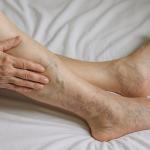
Persistent leg swelling or heaviness
-
Visible, twisted veins near the surface of your skin
-
Aching, itching, or burning sensations in your legs
…it may be time to see a vein specialist.
At USA Vein Clinics, specialists use advanced ultrasound imaging to map your vein structure and pinpoint areas of reflux. Their minimally invasive treatments restore healthy blood flow and relieve symptoms—without the need for surgery or downtime.
When to See a Vein Specialist
If you’re noticing any signs of poor circulation—especially in the lower legs or behind the knees—don’t wait until symptoms worsen. Schedule a consultation at USA Vein Clinics for a personalized evaluation. Early diagnosis and treatment can help you prevent progression of vein disease and keep your legs healthy, active, and pain-free.