When temperatures drop, many people notice changes in how their legs feel. Cold weather can affect circulation, make veins work harder, and even worsen symptoms for those already dealing with varicose veins or chronic venous insufficiency. The good news? A few simple habits can help keep your veins healthy all season long.
Below, we break down why winter impacts your veins and how to support healthy blood flow until spring arrives.
How Winter Affects Circulation
Cold temperatures cause blood vessels to temporarily narrow. This is your body’s way of conserving heat, but it also means your veins and arteries have less room to move blood efficiently. For people who already struggle with circulation, this can lead to:
-
Heavier or more tired legs
-
Increased swelling
-
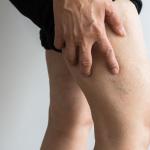
More noticeable spider or varicose veins
-
Cramping or aching after standing or sitting too long
Winter also tends to bring lifestyle changes—more time indoors, less movement, and thicker clothing—that can work against healthy circulation.
1. Stay Active (Even When It’s Cold)
Movement is one of the best ways to support your veins. When your leg muscles contract, they help push blood back toward your heart.
You don’t need a full outdoor workout routine. Try:
-
Walking indoors at a mall or gym
-
Doing short movement breaks during the workday
-
Light at-home exercises like calf raises or marching in place
Even a few minutes every hour can help improve blood flow.
2. Hydrate More Than You Think You Need To
It’s easy to forget about hydration when the weather isn’t warm, but winter air is dry—both outside and indoors with heat running. Dehydration can thicken your blood slightly, which makes circulation harder.
Keep a water bottle nearby and aim for steady hydration throughout the day. Herbal tea counts, too.
3. Wear Cozy, Compression-Friendly Layers
If your doctor has recommended compression socks, winter is a great time to use them. They fit comfortably under warm layers and help reduce swelling, heaviness, and discomfort.
If you’re not using compression wear, choosing clothing that isn’t tight around the waist or groin can also support healthy circulation.
4. Elevate Your Legs When You Can
Leg elevation helps your veins work with gravity—not against it. Even 10–15 minutes can reduce swelling after a long day of sitting or standing.
Try propping your legs up on:
-
A pillow
-
A couch armrest
-
A footstool under your desk
If possible, aim for the legs to be above heart level.
5. Keep Your Skin and Veins Warm — But Not Too Hot
Cold skin and muscles can feel stiffer, which makes vein symptoms more pronounced. Keeping your legs warm can help, but avoid extreme heat like very hot baths or heating pads directly on swollen veins.
Instead, try:
-
Layered clothing
-
Warm socks
-
Gentle warm compresses
The goal is comfort, not high heat.
6. Make Winter Nutrition Work for Your Veins
Food choices can support circulation, too. Winter-friendly options include:
-
Citrus fruits (oranges, grapefruit) for vitamin C
-
Leafy greens like kale or spinach
-
Root vegetables such as beets
-
Foods high in fiber to support vascular health
-
Omega-3 rich foods like salmon or walnuts
Eating balanced meals can help maintain healthy blood flow and reduce inflammation.
7. Pay Attention to Changes in Your Legs
Winter can make certain vein symptoms more noticeable. Keep an eye on any changes such as:
-
Swelling that gets worse
-
Leg pain or cramping
-
New or enlarging varicose veins
-
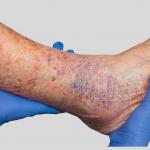
Skin changes like dryness, discoloration, or itchiness
These changes don’t always mean a serious issue, but they’re worth monitoring.
Your Veins Work Harder in Winter — Give Them a Little Extra Support
Cold weather can make circulation a bit more challenging, but small daily habits can go a long way. Staying active, keeping warm, and paying attention to your legs can help protect your vein health throughout the season.
If you ever notice symptoms becoming persistent or harder to manage, speaking with a vein specialist can help you understand what’s going on and what your options are. But for most people, a winter routine focused on movement, hydration, and warmth is an excellent place to start.