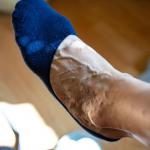

If your legs feel achy, heavy, or uncomfortable after a warm shower, you are not alone. Many people notice this sensation but are unsure why it happens. While it may seem unusual, there is a clear connection between heat, blood flow, and how your veins function.
In some cases, aching after a shower can be related to how your body responds to warm temperatures. For others, it may point to an underlying circulation issue that becomes more noticeable when blood vessels expand.
Understanding why this happens can help you determine whether your symptoms are temporary or something worth evaluating further.
LEARN MORE ABOUT VEIN ACHES HERE
How Heat Affects Blood Flow in the Legs
Warm water causes blood vessels to expand. This process, known as vasodilation, allows more blood to flow through the vessels. While this is a normal response, it can also affect how efficiently blood moves through the veins.
In the legs, veins are responsible for carrying blood back to the heart. When blood vessels widen, it can become more difficult for veins to push blood upward against gravity. As a result, blood may begin to collect in the lower legs.
This temporary change in circulation can lead to sensations such as heaviness, pressure, or aching.
Why Showers Can Trigger Leg Discomfort
For people with healthy circulation, these changes are usually mild and temporary. However, if vein valves are not functioning properly, the effects of heat can be more noticeable.
When valves are weakened, blood may already be flowing backward in the veins. Warm temperatures can make this worse by allowing veins to expand further, increasing the amount of blood that pools in the legs.
This buildup of pressure can lead to discomfort shortly after a shower, especially if the water is hot or exposure is prolonged.
People who experience this may notice:
- Aching or throbbing in the legs after warm showers
- A feeling of heaviness or fullness in the calves
- Symptoms that improve after cooling down or elevating the legs
- Discomfort that is more noticeable later in the day
These patterns can sometimes indicate circulation changes rather than a temporary reaction.
When Aching May Be Linked to Vein Health
Leg discomfort after exposure to heat is often associated with venous reflux, a condition where blood flows backward in the veins due to weakened valves. This can lead to chronic venous insufficiency over time.
When circulation is already affected, the added expansion of blood vessels from heat can increase pressure in the veins. This may make symptoms such as aching, swelling, or heaviness more noticeable.
Many people with vein related symptoms find that heat, including hot showers, baths, or warm weather, can temporarily worsen how their legs feel.
Other Factors That Can Contribute to Symptoms
While circulation plays a major role, other factors may also influence how your legs respond after a shower. These factors can affect how blood moves through the body or how sensitive your muscles and tissues are to temperature changes.
Common contributors include:
- Standing for long periods before showering
- Dehydration, which can affect circulation and muscle function
- Muscle fatigue from daily activity
- Water temperature that is too hot
- Existing vein conditions that affect blood flow
Because these factors can overlap, symptoms may vary depending on your daily routine and overall health.
How to Reduce Discomfort After Showering
If your legs tend to ache after a shower, there are simple adjustments that may help reduce discomfort. Small changes in routine can support better circulation and limit the effects of heat on the veins.
Helpful strategies include:
- Using warm water instead of very hot temperatures
- Limiting the length of time spent in the shower
- Rinsing legs with cooler water at the end
- Elevating the legs after showering
- Staying hydrated throughout the day
These steps may help reduce the pressure that builds in the veins and improve how your legs feel.
How Circulation Is Evaluated
If symptoms occur frequently or worsen over time, a vein specialist may evaluate your circulation using a duplex ultrasound exam. This noninvasive test allows doctors to observe how blood flows through the veins.
Ultrasound imaging can help identify whether blood is flowing in the correct direction or pooling in the legs. This information is important in determining whether a vein condition may be contributing to your symptoms.
Treatment Options for Circulation Related Symptoms
If a vein condition is diagnosed, several minimally invasive treatments can help improve circulation. These procedures work by closing veins that are no longer functioning properly, allowing blood to be redirected through healthier veins.
Common treatment options include:
- Endovenous Laser Therapy
- Radiofrequency Ablation
- Ultrasound guided sclerotherapy
These treatments are typically performed in outpatient settings and often allow patients to return to normal activities shortly after.
When to Consider a Vein Evaluation
Occasional leg discomfort after a hot shower may not be a cause for concern. However, if aching occurs regularly or is accompanied by symptoms such as heaviness, swelling, or visible veins, it may indicate a circulation issue.
A vein specialist can evaluate your symptoms and determine whether your veins are functioning properly. Identifying the cause early can help prevent symptoms from progressing and provide options to improve comfort and circulation.
If your legs consistently ache after exposure to heat, scheduling a consultation can help you better understand the cause and explore next steps.