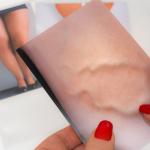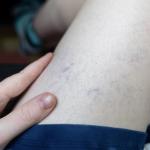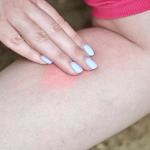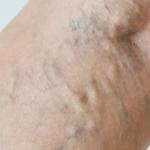

An itchy varicose vein isn’t just an annoying coincidence. It is usually your skin reacting to what’s happening with blood flow underneath it.
Varicose veins are often described in terms of how they look. For many patients, however, the itching is what is actually hardest to live with day to day. It can flare up out of nowhere, resist scratching, and return again within hours.
Understanding why that itch happens can make it easier to manage and signal when it is time to look past temporary relief toward the underlying cause.
Why Do Varicose Veins Itch?
Itching around a varicose vein is almost always connected to how blood is pooling in that area rather than circulating normally. When blood sits in a vein longer than it should, it raises pressure in the surrounding tissue and triggers an inflammatory response in the skin above it.
That inflammation irritates nerve endings near the surface of the skin, which produces the itching sensation. Over time, the same process can also dry out the skin, compounding the irritation.
Common Causes of Itchy Varicose Veins
Venous Stasis Dermatitis
This is a specific skin condition that develops when chronic venous insufficiency causes long-term inflammation and fluid buildup in the lower legs. It often shows up as itchy, reddish-brown, or scaly skin near the ankles directly above affected veins.
Dry, Irritated Skin
Poor circulation leaves skin less able to retain moisture, making it more prone to dryness and flaking. Dry skin is more easily irritated, which can intensify itching that is already present from the underlying vein issue.
Inflammation Around the Vein
Even without visible skin changes, the tissue directly surrounding a varicose vein is often mildly inflamed due to abnormal blood flow. This low-level inflammation is enough to trigger itching before any other symptoms become noticeable.
Fluid Buildup (Edema)
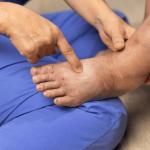
When fluid accumulates in the lower legs due to venous insufficiency, it stretches the skin and can make it feel tight, irritated, and itchy. This is especially common by the end of the day after blood and fluid have had hours to pool while standing or sitting.
Skin Changes from Chronic Venous Insufficiency
Over months or years, untreated venous insufficiency can gradually thicken and discolor the skin around affected veins. These longer-term changes often come with persistent itching that is harder to relieve with surface treatments alone.
Is Itching a Sign Your Varicose Veins Are Getting Worse?
Itching on its own does not necessarily mean a varicose vein has worsened dramatically, but it is a clear sign that the skin is being affected by poor circulation. If the itching is new, worsening, or spreading to a larger area, it is worth paying attention to.
Persistent scratching can also make things worse by breaking the skin, which is already more fragile in areas affected by venous insufficiency. Broken skin in that area heals more slowly and carries a higher risk of developing into a venous ulcer or open sore.
How to Relieve Itchy Varicose Veins at Home
Moisturize Regularly
A fragrance-free moisturizer applied daily can help restore some of the moisture that dry, irritated skin is missing. Consistency matters more than any specific product, since skin affected by poor circulation tends to dry out quickly.
Avoid Scratching
As tempting as it is, scratching tends to worsen inflammation and increases the risk of breaking skin that is already compromised. A cool compress or gentle patting can relieve the urge without causing damage.
Wear Compression Socks
Compression helps reduce the fluid buildup that contributes to itching and swelling. Many patients notice less irritation by the end of the day when they wear compression consistently.
Elevate Your Legs
Raising your legs above heart level for a few minutes can temporarily ease the fluid pressure that contributes to itching. It is a quick, free way to get some relief, even though it does not address the diseased vein itself.
When Itching Needs Medical Attention
Occasional, mild itching that responds to moisturizer and compression usually is not urgent. However, itching that is persistent, worsening, or paired with skin discoloration, open sores, or signs of infection like warmth and redness spreading outward should be evaluated promptly.
These signs can point to venous stasis dermatitis or early skin breakdown, both of which are far easier to manage before they progress. Catching these changes early typically means simpler treatment and a faster return to healthy, comfortable skin.
How USA Vein Clinics Treats the Root Cause
Topical relief helps in the moment, but lasting relief from itching usually requires treating the vein that is causing poor circulation. USA Vein Clinics starts with a non-invasive duplex ultrasound to see exactly how blood is flowing through the affected veins and pinpoint the source of the problem.
From there, minimally invasive treatments like endovenous laser therapy (EVLT), radiofrequency ablation (RFA), or sclerotherapy close off the diseased vein. This allows blood to reroute naturally through healthy veins, improving circulation and allowing the skin to heal. Most patients notice their skin symptoms, including itching, ease significantly as the treated vein fades over the following weeks.
Frequently Asked Questions
Why do varicose veins itch so much?
Itching happens because pooled blood in the vein triggers inflammation in the surrounding skin, which irritates nerve endings and dries out the skin over time. The longer blood flow stays abnormal, the more irritated the skin tends to become.
Is it bad to scratch itchy varicose veins?
Yes. Scratching can break skin that is already fragile due to poor circulation. Skin in affected areas heals slowly and carries a higher risk of developing into a sore or skin infection. It is best to manage the itch without scratching.
Does moisturizer help with itchy varicose veins?
Yes, a fragrance-free moisturizer applied regularly can ease dryness and reduce surface itching around the vein. It will not fix the underlying vein problem, but it noticeably improves day-to-day comfort.
When should I see a doctor about itchy varicose veins?
It is worth getting evaluated if the itching is persistent, worsening, or comes with skin discoloration, swelling, or small sores. These symptoms can signal venous stasis dermatitis or early skin breakdown.
Will treating my varicose veins stop the itching?
In most cases, yes. Because the itching stems from poor circulation in the vein, minimally invasive outpatient procedures that close the problem vein typically resolve the itching as circulation and skin health improve.