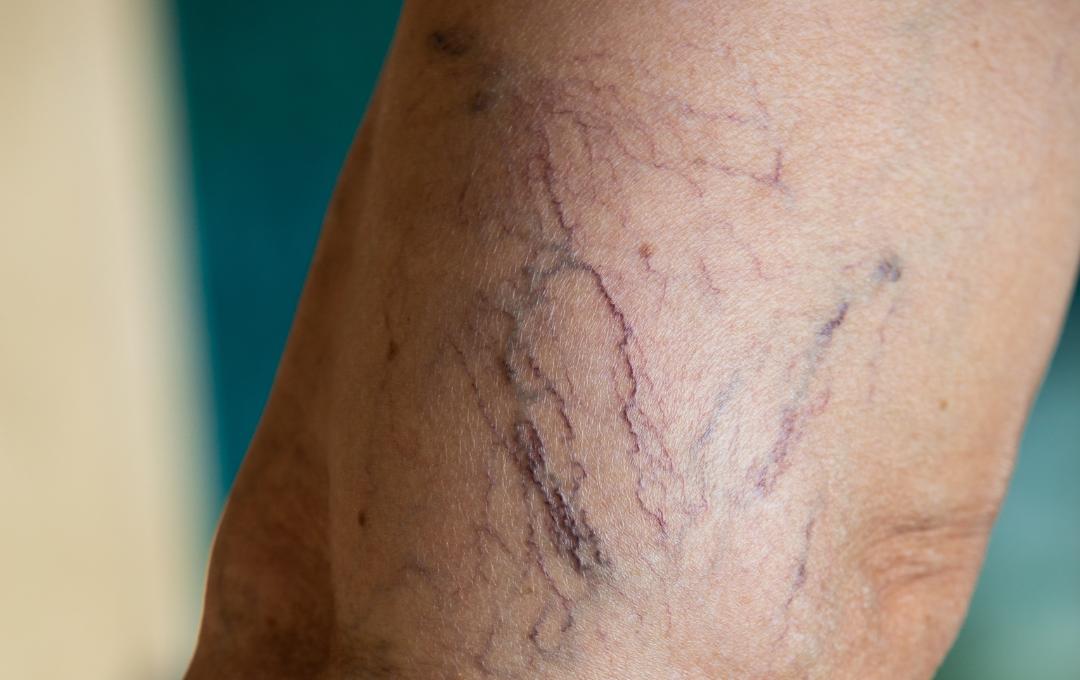
Reticular veins are small, visible veins that often appear as blue or green lines beneath the skin. They are usually found on the legs and may be more noticeable behind the knees or along the thighs. While they are typically not as large as varicose veins, many people are concerned about their appearance and whether they will go away on their own.
In most cases, reticular veins do not disappear without treatment. Although they may seem minor, they are often connected to underlying circulation changes in the veins. Understanding why these veins develop and what can be done about them can help you determine the best way to manage them.
Reticular veins are part of the venous system and are located just beneath the surface of the skin. They are larger than spider veins but smaller than varicose veins. These veins can become visible when blood flow in the area becomes less efficient.Like other veins in the legs, reticular veins rely on one way valves to keep blood moving toward the heart. When these valves weaken, blood may begin to flow backward and collect in the vein. This can cause the vein to expand and become more visible.
In some cases, reticular veins are also connected to deeper veins that may be affected by venous reflux. Because of this, they can sometimes be a sign of underlying vein disease rather than just a cosmetic concern.
LEARN MORE ABOUT RETICULAR VEINS
Why Reticular Veins Do Not Typically Go Away
Once a vein becomes enlarged or visible, it usually does not return to its original state on its own. This is because the structural changes in the vein, such as stretching of the vein wall or valve dysfunction, do not reverse without treatment.
While symptoms may fluctuate, the vein itself typically remains visible. Lifestyle changes can help reduce discomfort or slow progression, but they do not eliminate existing reticular veins.
People with reticular veins may notice:
- Small blue or green veins that remain visible over time
- Veins that become more noticeable after standing or sitting
- Mild discomfort or sensitivity in the affected area
- Changes in visibility depending on temperature or activity
These veins may stay stable for a period of time or gradually become more noticeable.
What Can Influence Their Appearance
The appearance of reticular veins can change depending on daily habits and environmental factors. For example, long periods of standing or sitting can increase pressure in the veins and make them more visible.
Heat can also cause veins to expand, which may temporarily make them appear more prominent. On the other hand, movement and leg elevation can improve circulation and reduce how noticeable they look.
Even though their appearance may change, the veins themselves typically do not disappear without medical treatment.
Factors That Increase the Likelihood of Reticular Veins
Several factors can contribute to the development of reticular veins. These factors often affect circulation and the strength of the vein walls over time.
Common contributors include:
- A family history of vein conditions
- Aging, which can weaken vein structure
- Hormonal changes that affect blood vessels
- Jobs that require long periods of standing or sitting
- Excess weight that increases pressure in the veins
Because these factors may be ongoing, reticular veins can persist or gradually become more noticeable.
How Vein Specialists Evaluate Reticular Veins
If reticular veins are present, a vein specialist may evaluate circulation to determine whether there is an underlying issue. A duplex ultrasound exam is often used to assess how blood flows through the veins.
This noninvasive test can help identify whether venous reflux is present in deeper veins. Understanding the source of the problem can guide treatment decisions and help prevent additional vein changes.
Treatment Options That Can Reduce or Remove Reticular Veins
While reticular veins do not go away on their own, several treatments can help reduce their appearance and improve circulation. These treatments are typically minimally invasive and performed in outpatient settings.
Common treatment options include:
- Sclerotherapy, which uses a solution to close the vein
- Laser based treatments that target visible veins
- Additional procedures if underlying venous reflux is present
These treatments work by closing the affected veins so that blood can be redirected through healthier veins.
When to Consider Treatment
Reticular veins are often considered a cosmetic concern, but they can sometimes be linked to underlying circulation problems. If veins become more noticeable or are accompanied by discomfort, it may be helpful to have them evaluated.
A vein specialist can assess your symptoms, examine your circulation, and recommend appropriate treatment options. Addressing reticular veins early may also help prevent progression to larger vein issues.
If you are concerned about visible veins or changes in your leg health, scheduling a consultation can help you better understand your options.