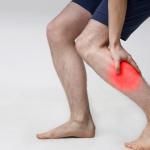

For many people, caffeine is part of daily life. From morning coffee to afternoon tea or energy drinks, caffeine is one of the most commonly consumed stimulants in the world. But if you’ve ever wondered does caffeine restrict blood flow, you’re not alone.
The relationship between caffeine and circulation is more nuanced than a simple yes or no.
SCHEDULE A VISIT WITH A MEDICAL VEIN EXPERT
How Caffeine Affects the Body
Caffeine works by stimulating the central nervous system. It increases alertness, reduces fatigue, and can temporarily raise heart rate and blood pressure. These effects can influence how blood moves through the body, especially in the short term.
Because caffeine interacts with blood vessels and the nervous system, its impact on blood flow may vary depending on where in the body it’s acting.
Does Caffeine Restrict Blood Flow?
Caffeine can cause temporary vasoconstriction, meaning it may narrow certain blood vessels for a short period of time. This effect is most noticeable in the brain, which is why caffeine is sometimes used to help relieve headaches.
However, this temporary narrowing does not necessarily mean overall circulation is harmed. In some parts of the body, caffeine may actually increase blood flow by stimulating the heart and improving circulation efficiency.
Why Some People Notice Circulation-Related Symptoms
Some individuals report cold hands or feet, tingling, or leg discomfort after consuming caffeine. These sensations can be influenced by:
-
Sensitivity to caffeine
-
Dehydration
-
Existing circulation or vein conditions
-
High caffeine intake over short periods
People with underlying circulation issues may be more likely to notice changes in how their legs or feet feel after consuming caffeine.
Caffeine and Leg Circulation
For most healthy individuals, moderate caffeine intake does not cause long-term circulation problems. However, if you already experience symptoms like leg heaviness, swelling, numbness, or fatigue, caffeine’s temporary effects on blood vessels may make these sensations more noticeable.
It’s important to recognize that caffeine alone is rarely the root cause of chronic circulation problems. Instead, it may highlight symptoms that are already present.
When Caffeine Isn’t the Real Issue
If circulation symptoms persist regardless of caffeine intake, the cause may be related to vein health, blood flow efficiency, or nerve function. Symptoms that deserve closer attention include:
-
Ongoing leg pain or aching
-
Skin discoloration or slow-healing wounds
-
Frequent numbness or tingling
These signs often develop gradually and may not be directly tied to diet or caffeine consumption.
Making Informed Choices
Understanding how caffeine affects your body can help you make informed lifestyle decisions. Paying attention to how your body responds to caffeine, staying hydrated, and moderating intake may help reduce uncomfortable sensations.
More importantly, recurring circulation symptoms should not be dismissed as a caffeine issue alone. Your body often provides early clues when circulation isn’t functioning optimally. While caffeine can influence blood vessel behavior temporarily, persistent symptoms may indicate a deeper issue worth evaluating.
Learning what affects blood flow empowers you to recognize when it’s time to look beyond everyday habits and seek answers about your vascular health.