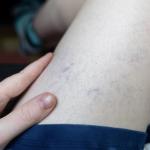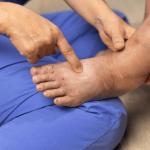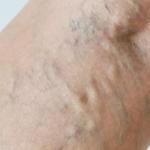

Pregnancy places a unique strain on your leg veins. Blood volume rises sharply, hormones soften vein walls, and a growing uterus adds pressure on the vessels responsible for returning blood from your legs to your heart. Together, these forces create the ideal conditions for varicose veins, spider veins, and general leg swelling to appear, sometimes for the first time in your life. The good news is that most of these changes are temporary and improve on their own after delivery. The part that matters just as much: some are not, and knowing the difference determines whether you simply wait it out or seek treatment.
Why Pregnancy Puts Pressure on Your Leg Veins
Your veins carry blood back to your heart against gravity, and that job gets significantly harder during pregnancy. Your total blood volume increases by roughly 40 to 50 percent to support your growing baby, and all of that additional volume has to move through the same vein network you had before. Veins are elastic, so they stretch to accommodate the load, sometimes past the point where they spring back easily.
Hormones compound the problem. Progesterone rises steadily throughout pregnancy and relaxes the smooth muscle in your vein walls as one of its side effects. Softer vein walls stretch more easily, forcing the one-way valves inside your veins to work harder to keep blood moving upward instead of pooling in your lower legs.
Mechanical pressure adds a third factor. As your uterus grows, it presses on the large vein running through your pelvis that returns blood from your legs. This slows circulation in your lower body, particularly in the second and third trimester, which is why most new varicose and spider veins appear later in pregnancy rather than earlier. Standing or sitting for long periods, gaining more than the typical amount of pregnancy weight, and having a family history of varicose veins all increase this pressure further.
What’s Temporary: Leg Vein Changes That Fade on Their Own
Most vein changes during pregnancy are exactly that, changes rather than permanent damage. If you didn’t have visible veins before becoming pregnant, mild spider veins and small varicose veins typically shrink and fade within three to six months after delivery, once blood volume and hormone levels return to normal. Vulvar and pelvic varicose veins, which can appear during the later months as pressure builds in that area, often resolve even faster, sometimes within a few weeks of giving birth, once that localized pressure is relieved.
If you’re breastfeeding, your timeline may look different. Breastfeeding keeps certain hormone levels elevated longer, which can delay improvement in veins that would otherwise be settling down by three months postpartum. Most specialists recommend waiting three to six months after weaning, in addition to your postpartum recovery, before assuming a vein is permanent rather than simply slow to resolve.
What’s Not Temporary: Signs Pregnancy Revealed a Real Vein Problem
Pregnancy doesn’t always create a new vein problem. In many cases, it reveals one that was already developing before you became pregnant. Think of pregnancy as a stress test for your venous system. The valves inside your veins are designed to open and close in one direction, keeping blood moving upward. When those valves are already weakened, the added blood volume and pressure of pregnancy can push them past the point of closing properly.
Once a valve stops sealing correctly, a condition called venous reflux, it typically doesn’t repair itself once hormone levels return to normal. This is why some veins don’t fade at the three month mark, or even at six. It’s also why varicose veins often become more noticeable with each additional pregnancy: valve damage from an earlier pregnancy may not have fully healed before the next pregnancy adds more strain on top of it. A family history of varicose veins, a job that requires long periods of standing, above-average weight gain, and having visible veins before pregnancy all raise the likelihood that what you’re seeing is a lasting change rather than a passing one.
The distinction matters beyond appearance. Veins with ongoing reflux tend to worsen gradually if left untreated, sometimes leading to aching, heaviness, skin discoloration, or, in advanced cases, skin changes that are slow to heal. Pregnancy also raises the risk of blood clots forming in swollen veins, so any vein that becomes suddenly painful, warm, red, or hard warrants prompt medical attention.
How to Tell the Difference at Home
You don’t need imaging equipment to get a general sense of which category your veins fall into, though only a specialist can confirm it with certainty. Veins that are temporary tend to soften and shrink gradually, with noticeable improvement each month after delivery, even if progress feels slow. Veins tied to valve damage tend to plateau instead. They may look slightly better right after birth simply because general swelling has decreased, but then they stop improving and can look more prominent again a few months later, particularly once you’re back on your feet regularly with a newborn.
Symptoms tell a similar story. Temporary, cosmetic vein changes are usually visible but not especially uncomfortable. Veins tied to real valve damage are more likely to come with aching, throbbing, a heavy feeling by the end of the day, restless legs at night, itching over the vein, or swelling that doesn’t fully resolve with elevation and rest. If these symptoms are still present three to six months after delivery, that’s a reasonable point to move from watching and waiting to getting an actual evaluation.
Caring for Your Legs While You Wait It Out
Whether your veins turn out to be temporary or not, day to day care during pregnancy and the postpartum months looks similar. Elevating your legs above heart level, even for short stretches during the day, helps blood drain back out of your lower legs. Many women also find relief by sleeping on their left side during pregnancy, which takes pressure off the large vein running up the right side of the body and eases overall circulation.
Movement matters just as much as rest. A daily walk, ankle circles while seated, or simply avoiding long stretches of standing or sitting in one position all help keep blood from stagnating in the lower legs. None of these habits will repair a damaged valve, but they can meaningfully reduce swelling, aching, and the visual severity of veins while your body works through postpartum recovery.
When Self-Care Isn’t Enough
For most women, the combination of time, compression, and gentle movement is enough to see real improvement in postpartum vein changes. However, if you’ve been consistent with self-care and your legs still feel heavy, achy, or visibly swollen three to six months after delivery, that may indicate an underlying vein problem rather than a normal, temporary side effect of pregnancy. Self-care manages symptoms, but it doesn’t correct valve dysfunction.
If your symptoms persist despite consistent self-care, or if you notice significant swelling, skin discoloration, or a vein that has suddenly become painful, professional evaluation is the next step. A vein specialist can use a simple, painless ultrasound to see directly whether the valves in your legs are functioning properly. If reflux is identified, several treatment approaches are available:
- Sclerotherapy: A solution is injected into the affected vein to close it, often used for smaller varicose and spider veins.
- Radiofrequency ablation: Radiofrequency energy heats and closes damaged veins from the inside, redirecting blood flow to healthier veins nearby.
- Endovenous laser ablation: A minimally invasive procedure that uses heat from a laser fiber to seal off a diseased vein.
Most of these procedures are outpatient, minimally invasive, and require little to no downtime, which matters when you’re also caring for a newborn.
Pregnancy changes your leg veins in ways that are almost universal, and for most women, those changes reverse on their own in the months after delivery. But “most” isn’t “all,” and the same forces that make pregnancy hard on your veins, extra blood volume, softer vein walls, added pressure, can also expose valve damage that was always going to need attention eventually. Giving your body three to six months to settle is a reasonable first step. If that window passes and your legs still don’t feel or look like they used to, it’s worth getting a closer look rather than assuming it’s just part of motherhood.
Frequently Asked Questions
Do varicose veins from pregnancy go away on their own?
Many pregnancy-related varicose and spider veins fade within three to six months after delivery as blood volume and hormone levels return to normal. Veins that remain swollen, painful, or visible beyond that window are less likely to resolve without treatment.
How long after pregnancy should I wait before treating varicose veins?
Most vein specialists recommend waiting three to six months postpartum, or three to six months after weaning if breastfeeding, before evaluating veins for treatment. This gives hormones time to stabilize so the specialist can see which veins are truly persistent.
Are pregnancy varicose veins dangerous?
Most pregnancy varicose veins are a cosmetic and comfort issue rather than a danger to mother or baby. However, pregnancy does raise the risk of blood clots in swollen veins, so new pain, warmth, redness, or hardness in a vein should be evaluated promptly.
Will varicose veins get worse with each pregnancy?
Yes, for many women. Each pregnancy adds more strain to vein valves that may not have fully recovered from the last one, so varicose veins often become more noticeable and less likely to fade with subsequent pregnancies.