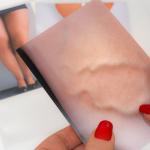

Varicose veins are often easy to recognize because of how they appear on the surface of the skin. Many people notice that these veins look raised, twisted, or lumpy compared to normal veins. This appearance can be concerning, especially when the veins seem to bulge or change shape over time.
The reason varicose veins look like lumps is related to changes that occur inside the veins when blood is not flowing properly. Understanding what causes these changes can help explain both the appearance and the symptoms associated with varicose veins.
What Happens Inside a Varicose Vein
Veins in the legs are responsible for carrying blood back to the heart. To move blood upward against gravity, veins rely on one way valves that open and close to keep blood flowing in the correct direction.
When these valves become weakened or damaged, blood may begin to move backward and collect in the vein. This process is known as venous reflux. As blood pools in the vein, pressure inside the vessel increases.
Over time, this pressure can cause the vein walls to stretch and lose their normal shape. Instead of remaining smooth and narrow, the vein may begin to widen and become uneven.
LEARN MORE ABOUT VARICOSE VEIN TREATMENT
Why Varicose Veins Appear Bulging or Twisted
As pressure continues to build inside the vein, the structure of the vein changes. The walls of the vein can become enlarged and less flexible, which allows sections of the vein to expand more than others.
This uneven stretching creates the lumpy or rope like appearance that is commonly associated with varicose veins. The vein may twist or curve as it enlarges, causing it to appear raised beneath the skin.
Because these veins are close to the surface, their shape becomes more visible over time. The color may also appear darker due to the way blood collects within the vein.
People with varicose veins may notice:
- Raised veins that appear swollen or enlarged
- A twisted or rope like appearance along the leg
- Areas where the vein looks bumpy or uneven
- Changes in color, such as blue or purple tones
These visual changes are often accompanied by physical symptoms.
How Vein Pressure Leads to Symptoms
The same pressure that causes veins to appear lumpy can also affect how the legs feel. As blood continues to pool in the veins, circulation becomes less efficient.
This may lead to symptoms such as heaviness, aching, or fatigue in the legs. Some people also experience swelling around the ankles or a feeling of tightness in the lower legs.
Symptoms often become more noticeable after standing or sitting for long periods because blood has more time to collect in the veins.
Factors That Contribute to Varicose Vein Changes
Several factors can influence how varicose veins develop and how noticeable they become. These factors often affect the strength of the vein walls and the function of the valves.
Common contributors include:
- A family history of varicose veins or vein disease
- Aging, which can weaken vein walls and valves
- Pregnancy, which increases pressure in the veins
- Jobs that require long periods of standing or sitting
- Excess weight that adds strain to the veins
Because these factors may be present over many years, the appearance of varicose veins can gradually change.
Why Varicose Veins May Worsen Over Time
Varicose veins do not usually improve on their own. As venous reflux continues, pressure inside the veins may increase, causing further stretching and enlargement.
Over time, the veins may become more prominent and symptoms may become more noticeable. In some cases, additional complications such as swelling or skin changes may develop if circulation problems persist.
Recognizing early changes in the veins can help prevent symptoms from progressing.
How Vein Specialists Evaluate Varicose Veins
If varicose veins are present, a vein specialist may evaluate circulation using a duplex ultrasound exam. This noninvasive imaging test allows doctors to observe blood flow in the veins and determine whether venous reflux is present.
Ultrasound testing can identify areas where blood is flowing backward or pooling in the veins. This helps specialists understand the cause of the vein changes and recommend appropriate treatment.
Treatment Options for Varicose Veins
Modern treatments for varicose veins are designed to improve circulation by closing veins that are no longer functioning properly. Once treated, blood is redirected to healthier veins.
Common treatment options include:
- Endovenous Laser Therapy
- Radiofrequency Ablation
- Ultrasound guided sclerotherapy
These minimally invasive procedures are typically performed in outpatient settings and often require little recovery time.
When to Seek Evaluation for Varicose Veins
While the appearance of varicose veins may be the first thing people notice, underlying circulation problems are often the cause. If veins appear raised, twisted, or lumpy, it may indicate that blood is not flowing properly.
If you experience symptoms such as heaviness, swelling, or discomfort along with visible veins, a vein evaluation can help determine the cause and identify treatment options.
A specialist can assess your circulation and recommend steps to improve both the appearance of the veins and overall leg health.