Many people notice their ankles look normal in the morning but appear swollen or puffy by evening. While this can sometimes be linked to diet, activity, or fluid retention, swelling that worsens at night is often associated with circulation problems—especially chronic venous insufficiency (CVI). Understanding why this happens can help you identify early signs of vein disease and take proactive steps toward healthier legs.
Why Does Swelling Get Worse at Night?
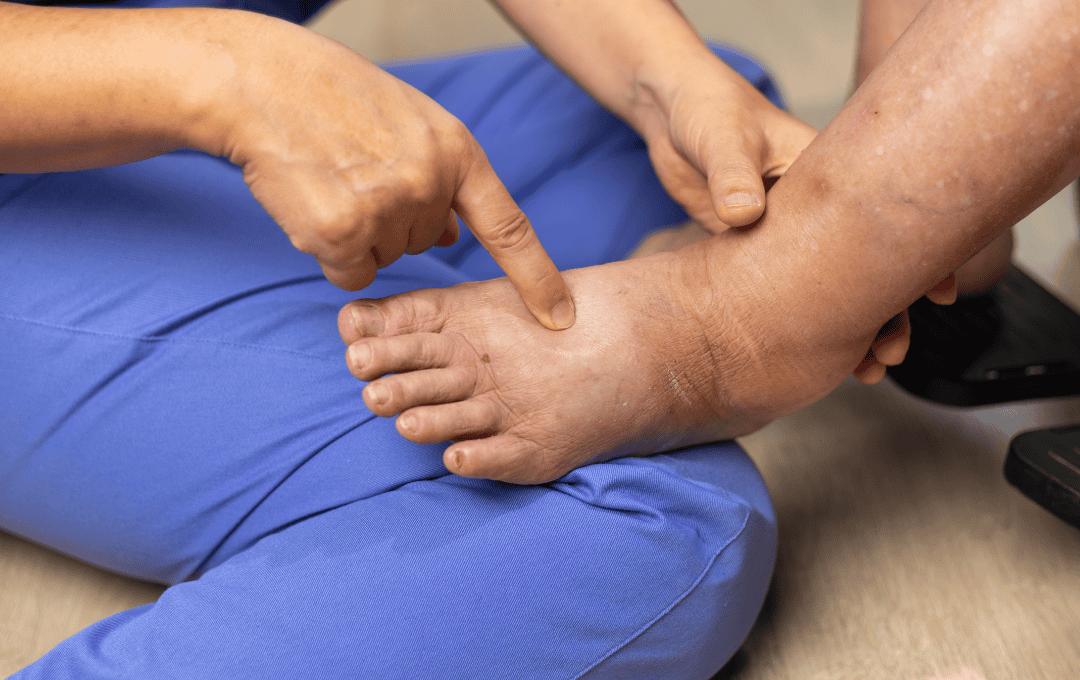
Swelling in the lower legs, also called edema, typically develops when fluid builds up in the soft tissues. The timing of the swelling—stable in the morning and worse by night—provides an important clue. During the day, gravity pulls blood downward, putting added pressure on the veins. If your veins aren’t functioning properly, they have difficulty pushing blood back toward the heart, allowing fluid to accumulate around the ankles.
When you lie down to sleep, that pressure is relieved, which is why swelling often improves overnight. This day-night pattern is a classic sign of early vein disease.
How Chronic Venous Insufficiency Causes Nighttime Ankle Swelling
Chronic venous insufficiency occurs when the valves inside the veins become weakened or damaged. Instead of sending blood upward, the veins allow blood to pool in the legs. The more blood that remains stagnant, the more pressure builds inside the veins, eventually forcing fluid into surrounding tissues.
This process is gradual, which is why many people notice swelling before they notice other symptoms. Evening swelling is often one of the earliest visible signs of CVI.
Other signs that may accompany nighttime swelling include:
-
A feeling of heaviness or tightness in the legs
-
Mild aching after long periods of sitting or standing
-
Itchy or irritated skin near the ankles
-
Leg cramps at night
-
Visible or emerging spider veins or varicose veins
Even if these symptoms seem mild, they can indicate that your veins are working harder than they should.
Find a Leg Vein Clinic Near You
Other Possible Causes of Evening Ankle Swelling
While vein disease is one of the most common causes of nighttime swelling, other conditions can contribute, including:
-
Hormonal changes
-
Certain medications (like blood pressure or steroid medications)
-
High-sodium diets
-
Sitting for long periods
-
Heart, kidney, or liver conditions
The key is consistency: if swelling almost always appears after a long day and improves by morning, a venous cause is strongly suspected.
Why You Shouldn’t Ignore Nighttime Swelling
Swelling is your body’s way of signaling that circulation isn’t functioning properly. Without treatment, chronic venous insufficiency can progress and lead to complications such as:
-
Larger, more painful varicose veins
-
Skin discoloration or hardening
-
Persistent inflammation and irritation
-
Venous ulcers (non-healing wounds)
-
Reduced mobility
Early treatment helps relieve swelling and protects long-term leg health by restoring proper blood flow.
Is Swelling in Only One Ankle Still Vein-Related?
Yes, it can be. Although many assume vein disease affects both legs equally, it can appear more prominently on one side. Anatomy, previous injuries, or variations in vein structure can cause one ankle to swell sooner or more noticeably than the other.
However, sudden or severe swelling in one leg—especially with warmth or pain—should be evaluated urgently to rule out deep vein thrombosis (DVT).
When to See a Vein Specialist
You should seek a vein evaluation if your ankle swelling:
-
Consistently appears in the evening
-
Is paired with heaviness, itching, or skin changes
-
Occurs in one leg more than the other
-
Has become more frequent over time
Even mild swelling can be an early warning sign of vein disease—and early treatment offers the best results.
At USA Vein Clinics, we diagnose vein-related swelling through a simple, noninvasive ultrasound. If chronic venous insufficiency is identified, our specialists offer minimally invasive, outpatient treatments that take under an hour and require no general anesthesia.
Most patients experience improvements in swelling, heaviness, and overall comfort soon after treatment as healthy circulation is restored.